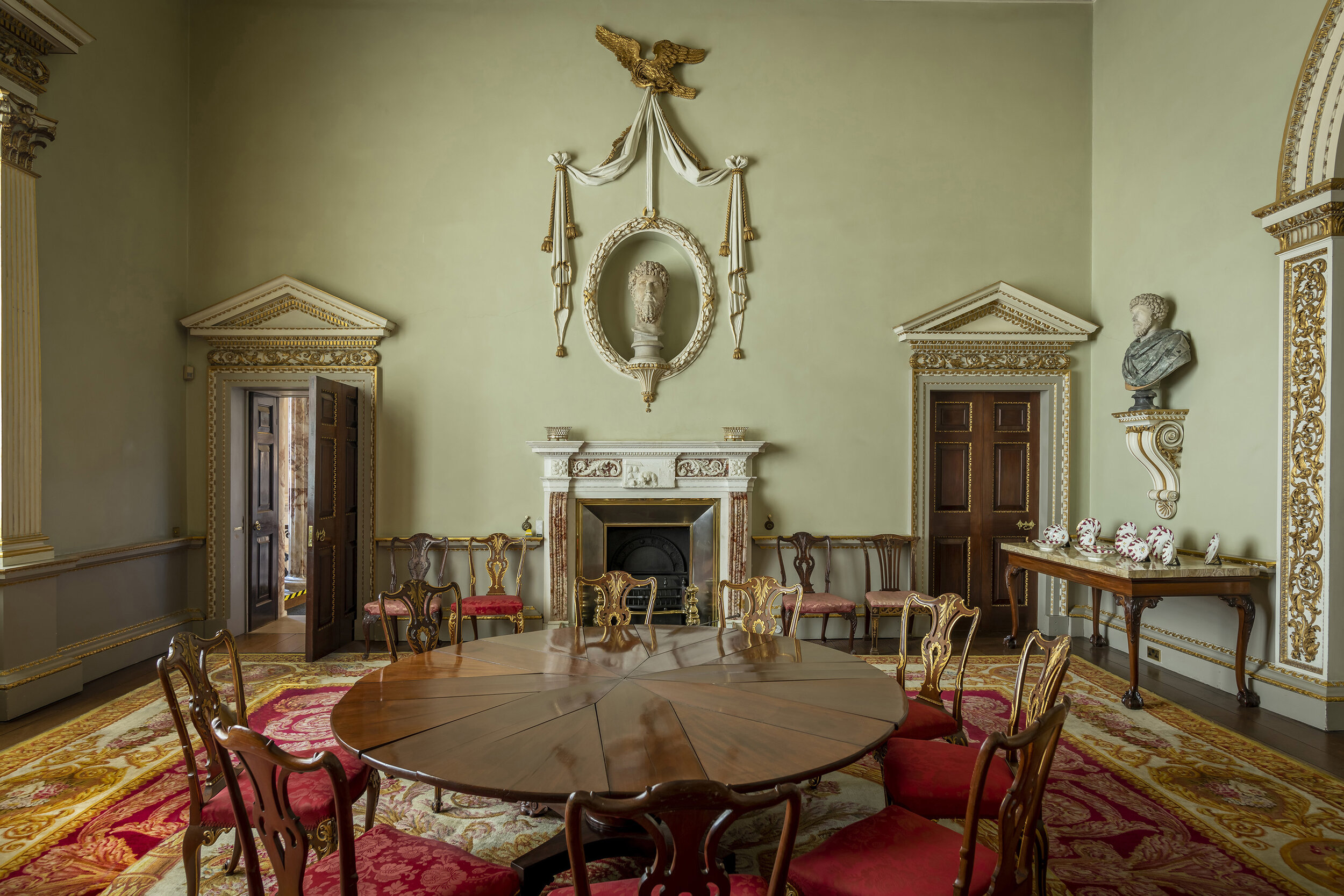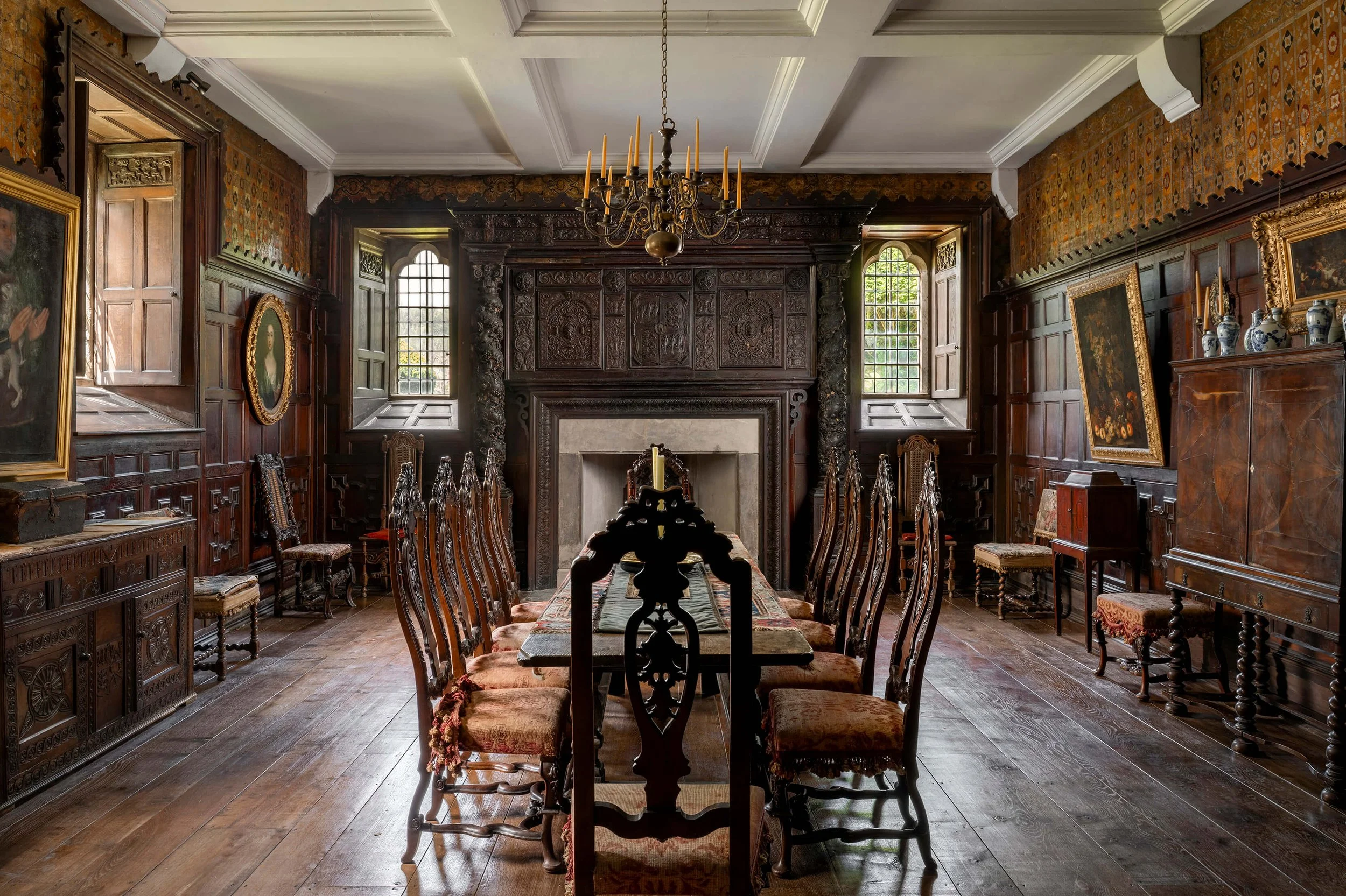
Photographing Gwydir Castle, North Wales.
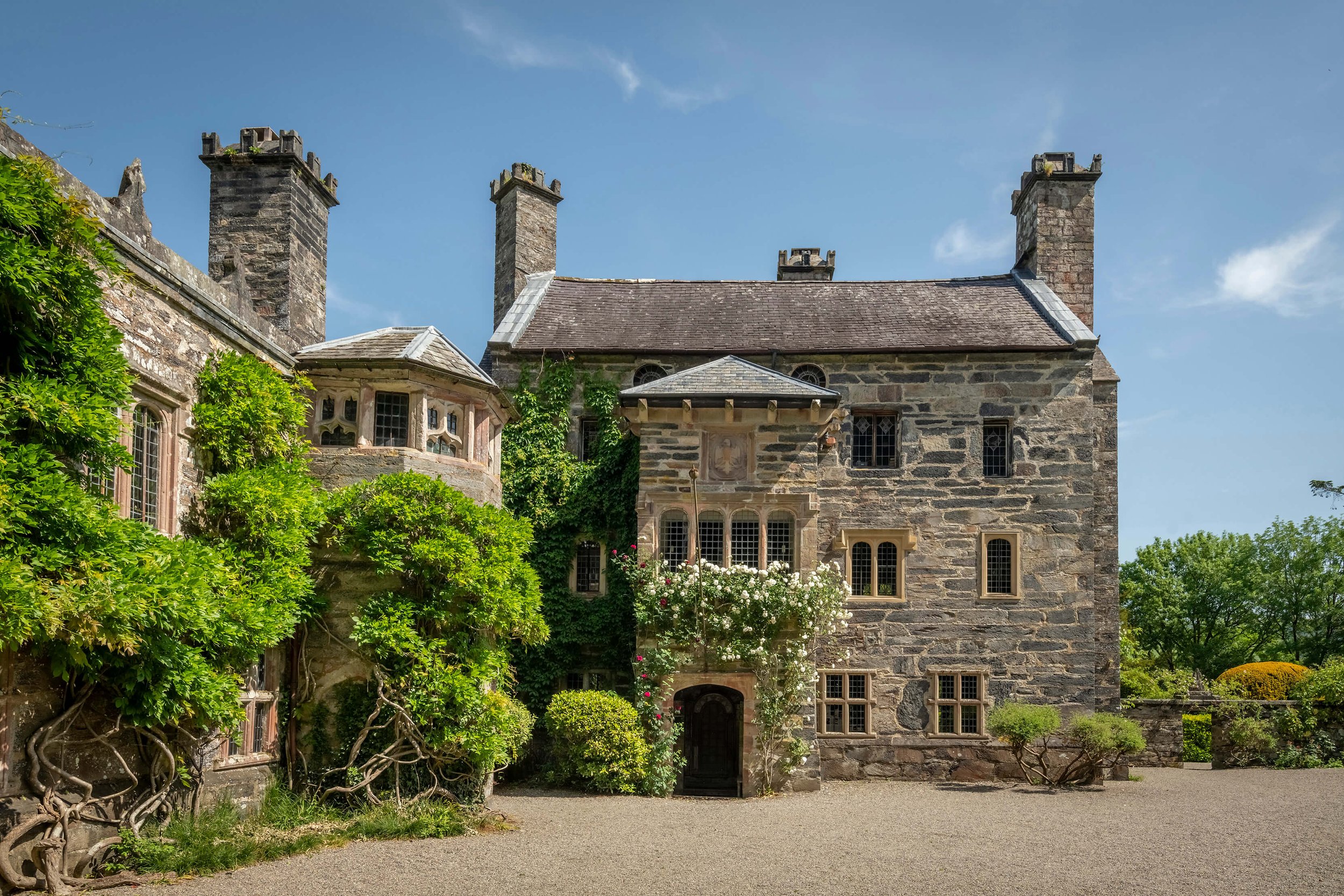
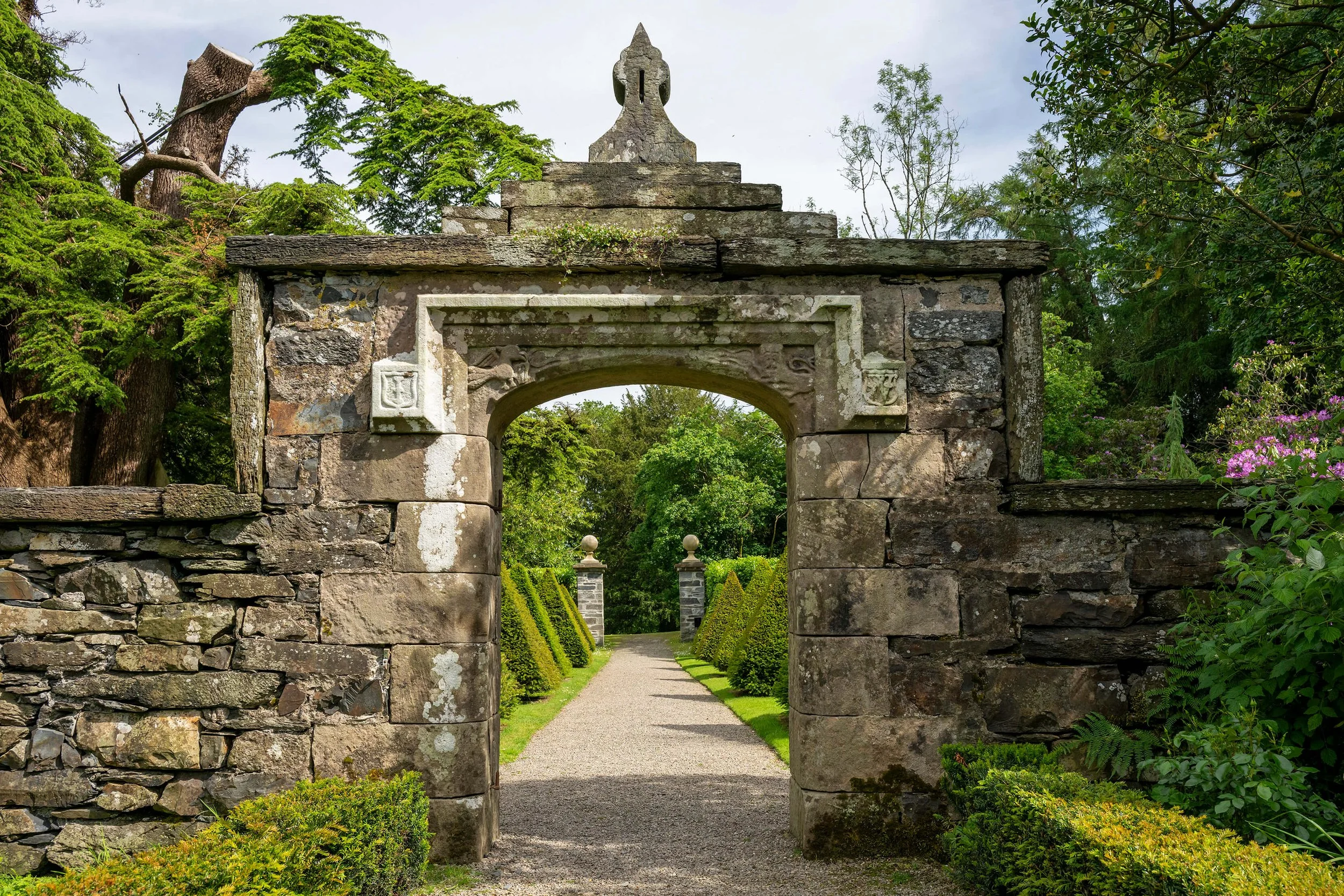
Tucked away in the beautiful Conwy Valley near Llanrwst, Gwydir Castle is one of Wales's most fascinating historic houses. Dating back to the late 15th century, the castle has a rich and complex history, having served as the ancestral home of the powerful Wynn family before falling into decline and eventually being rescued through a remarkable restoration programme.
Tucked away in the beautiful Conwy Valley near Llanrwst, Gwydir Castle is one of Wales's most fascinating historic houses. Dating back to the late 15th century, the castle has a rich and complex history, having served as the ancestral home of the powerful Wynn family before falling into decline and eventually being rescued through a remarkable restoration programme.
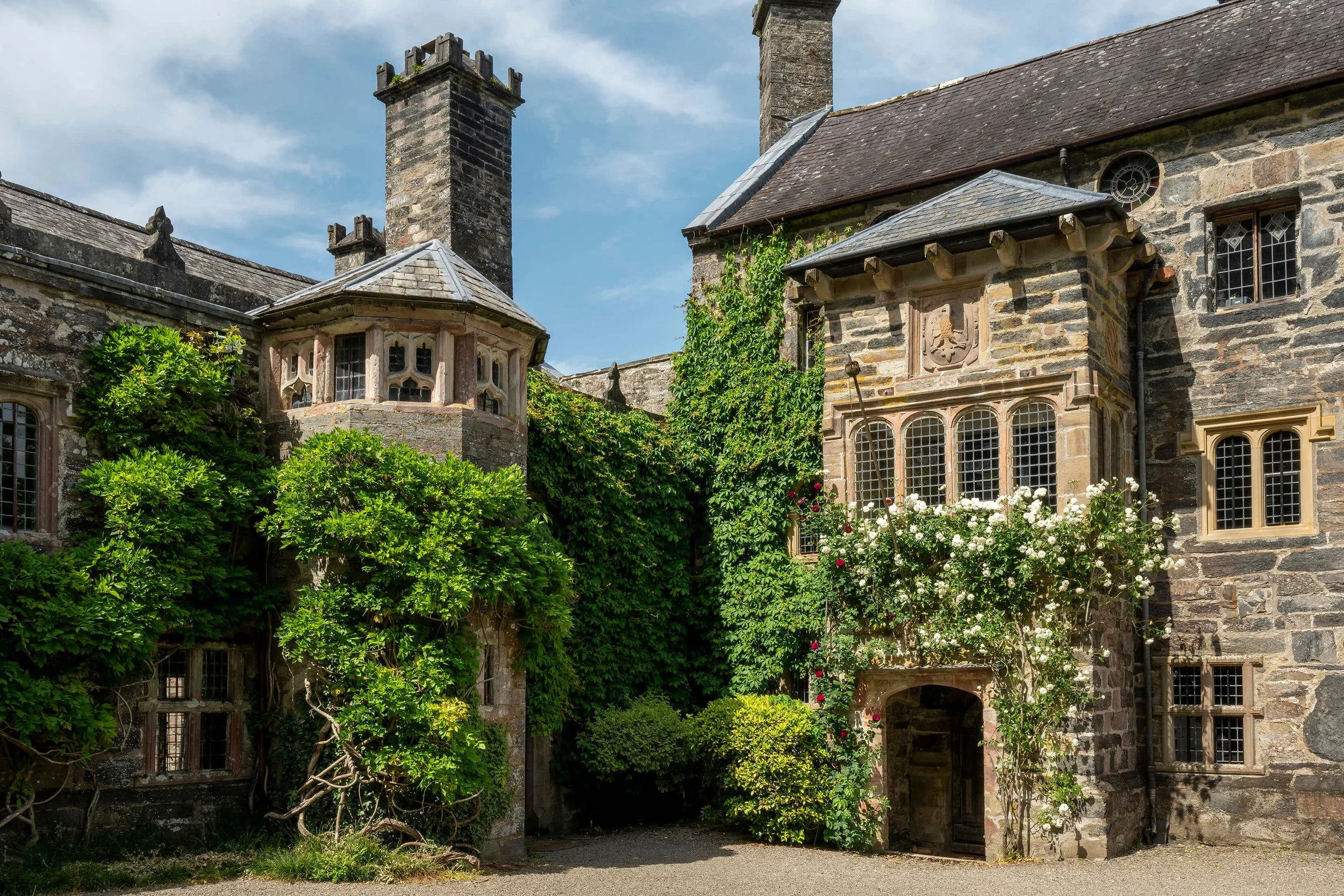
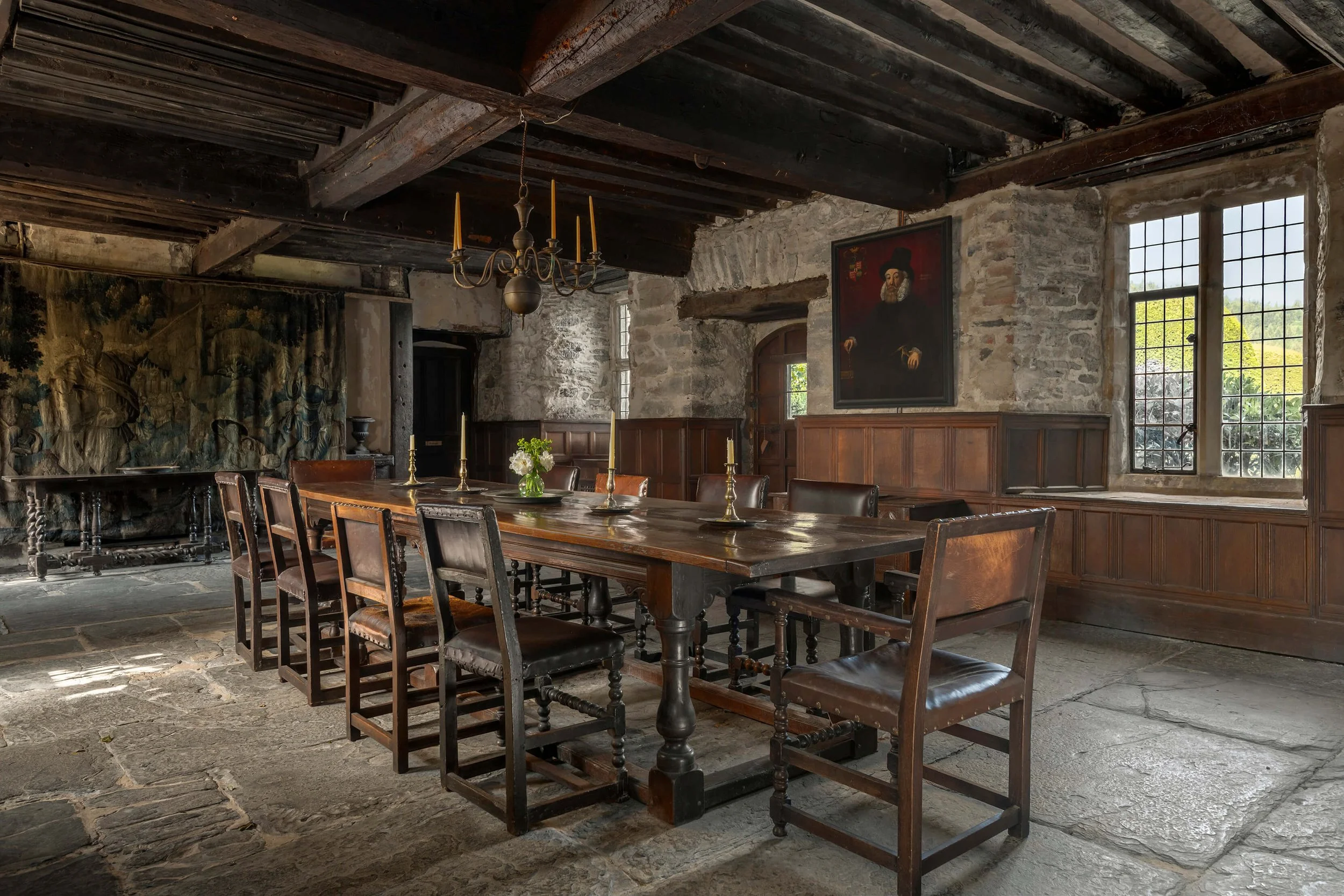
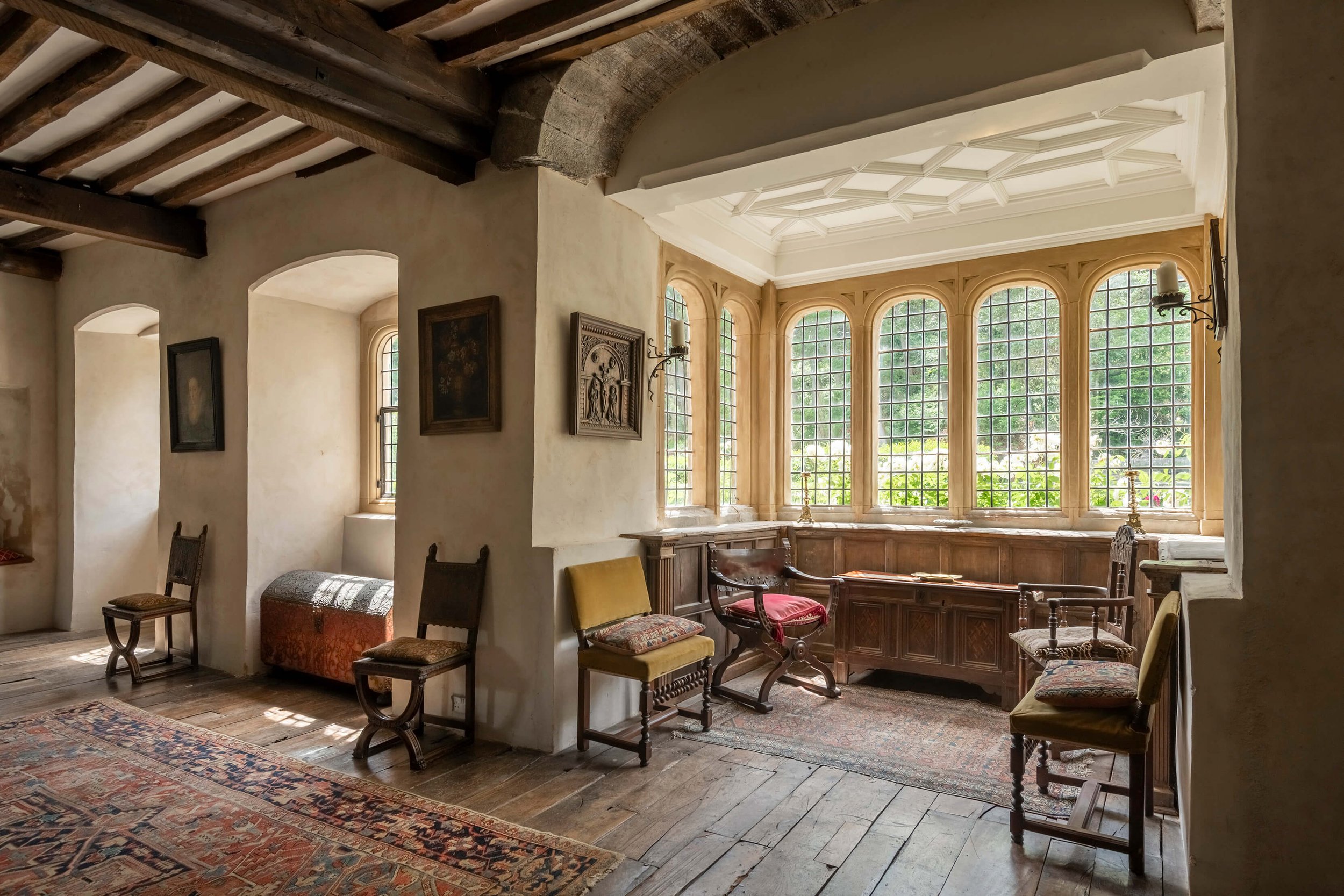
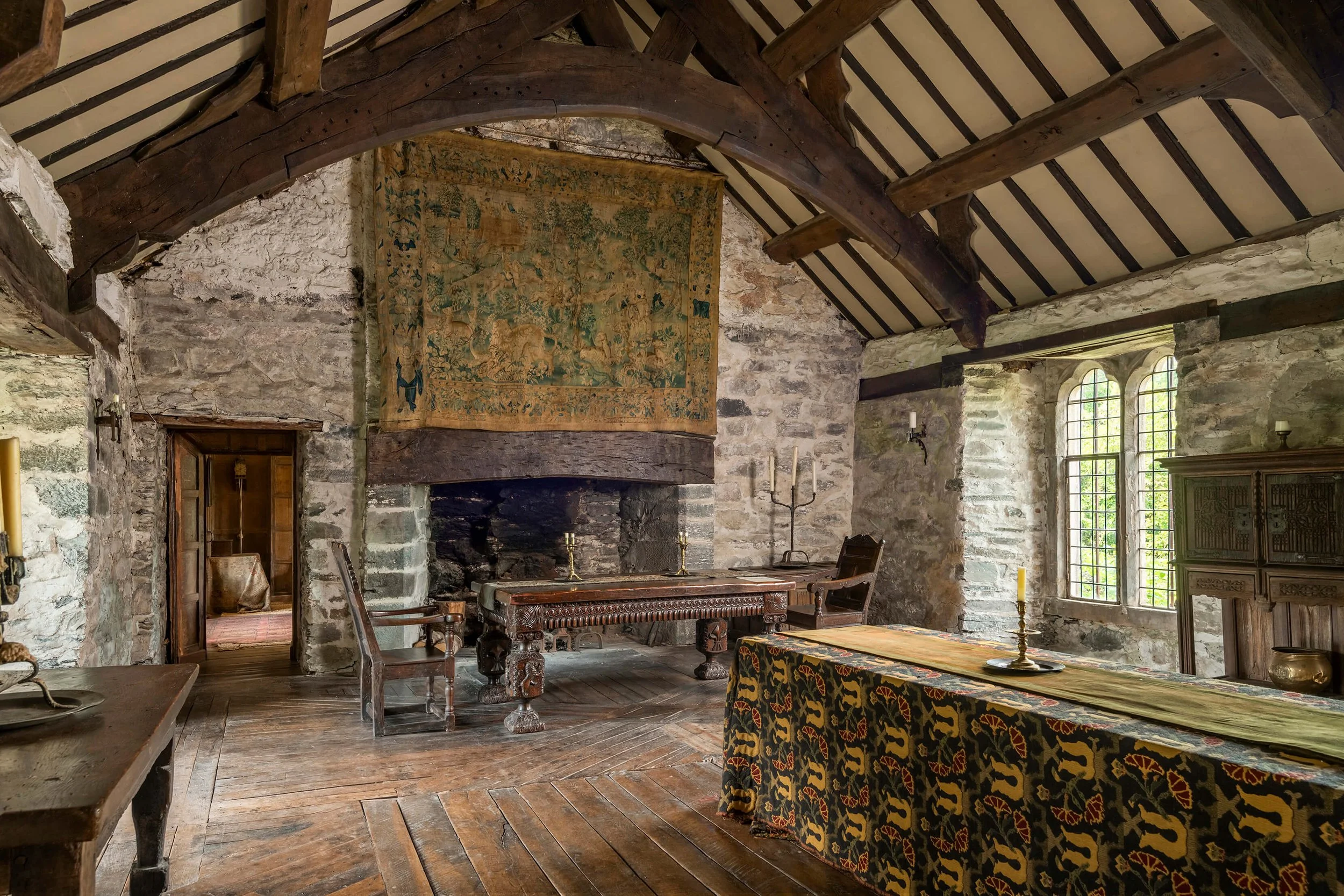
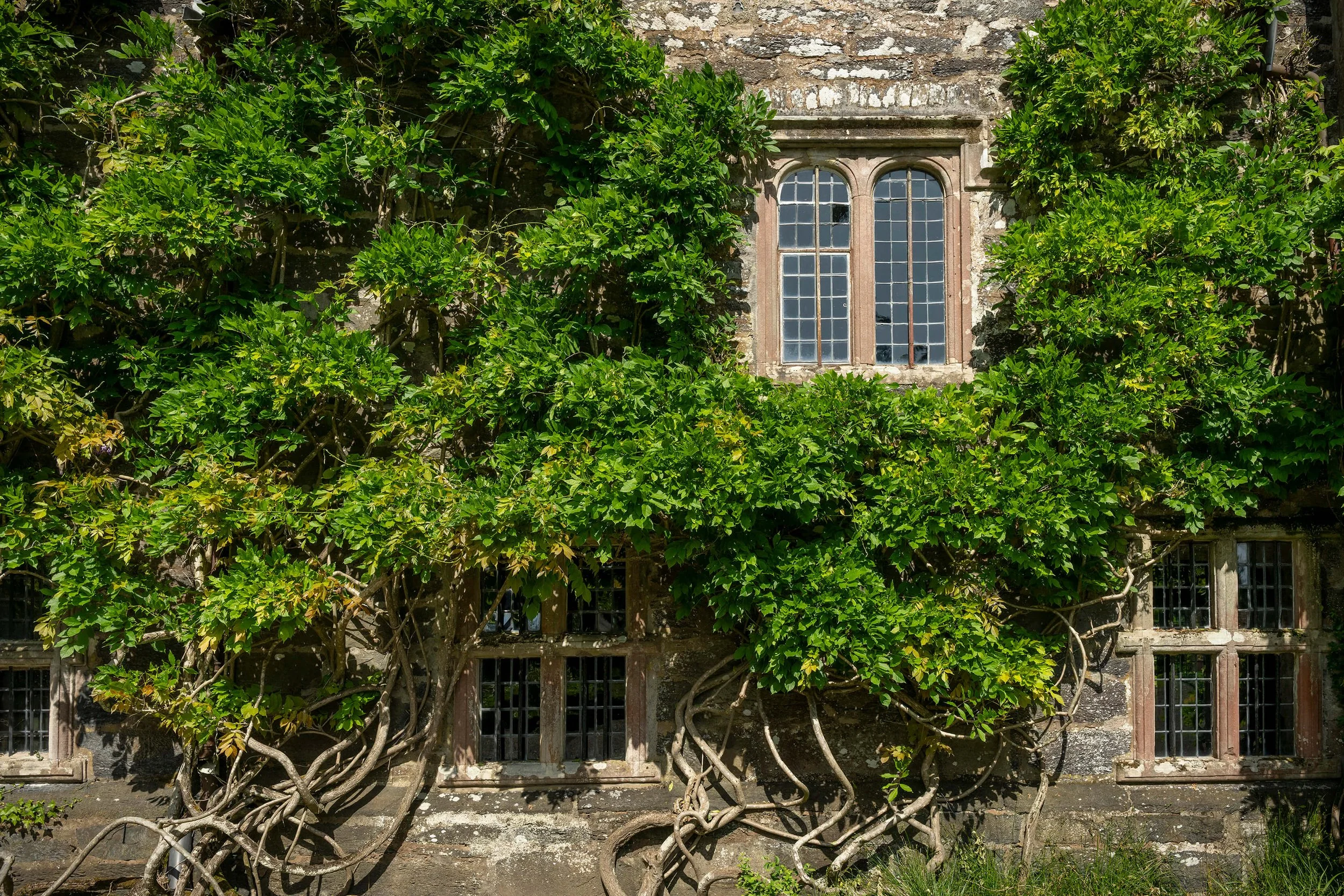
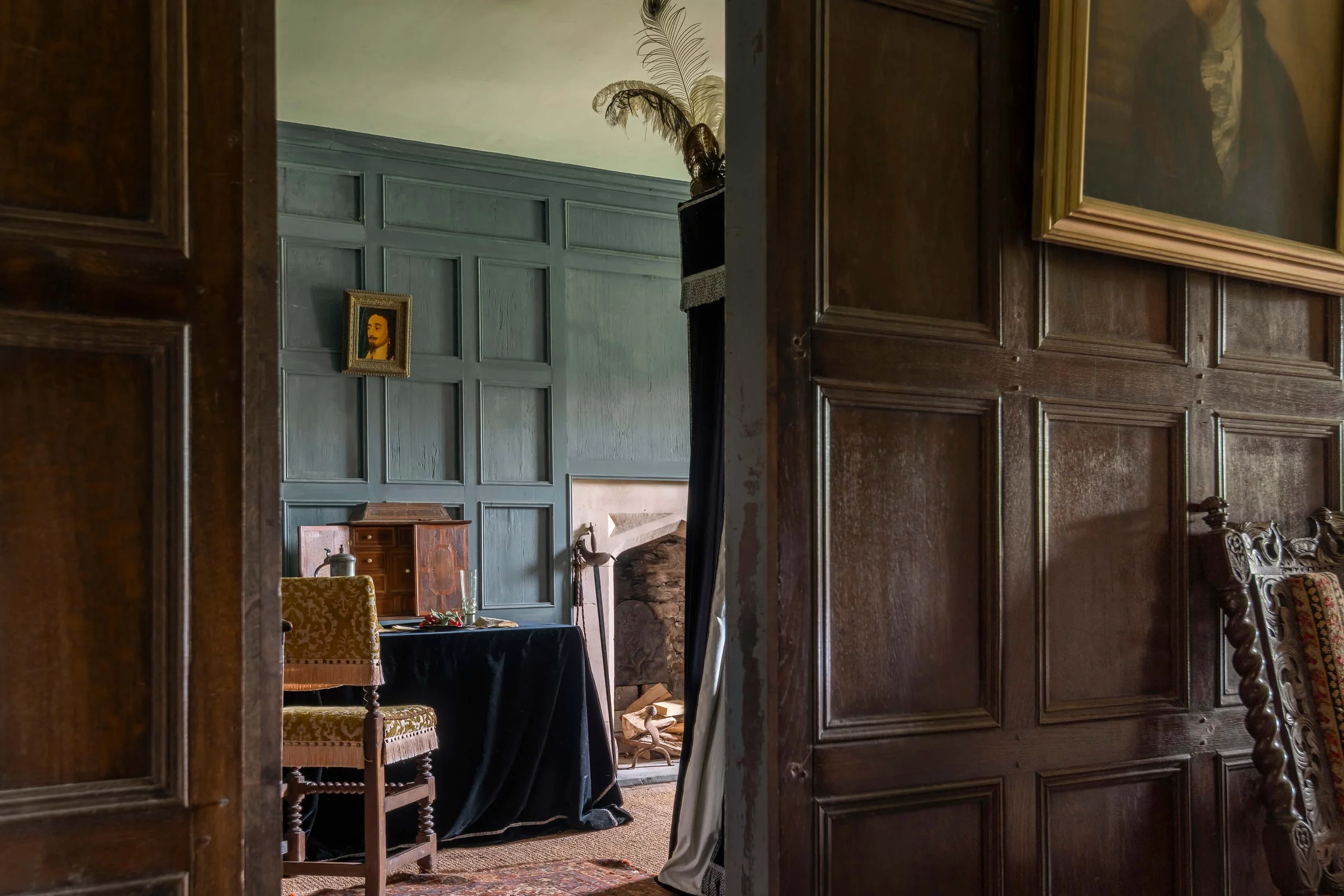
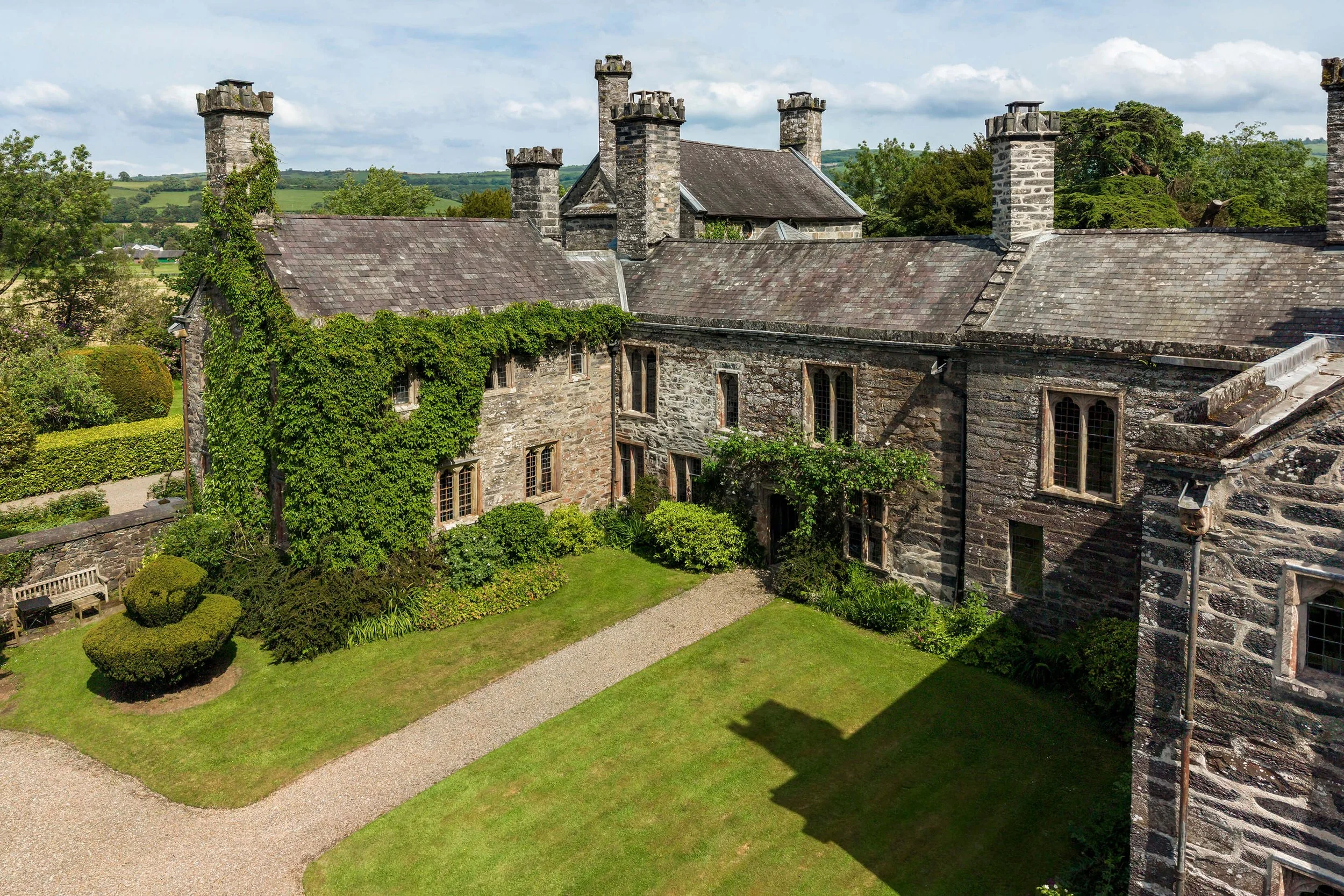
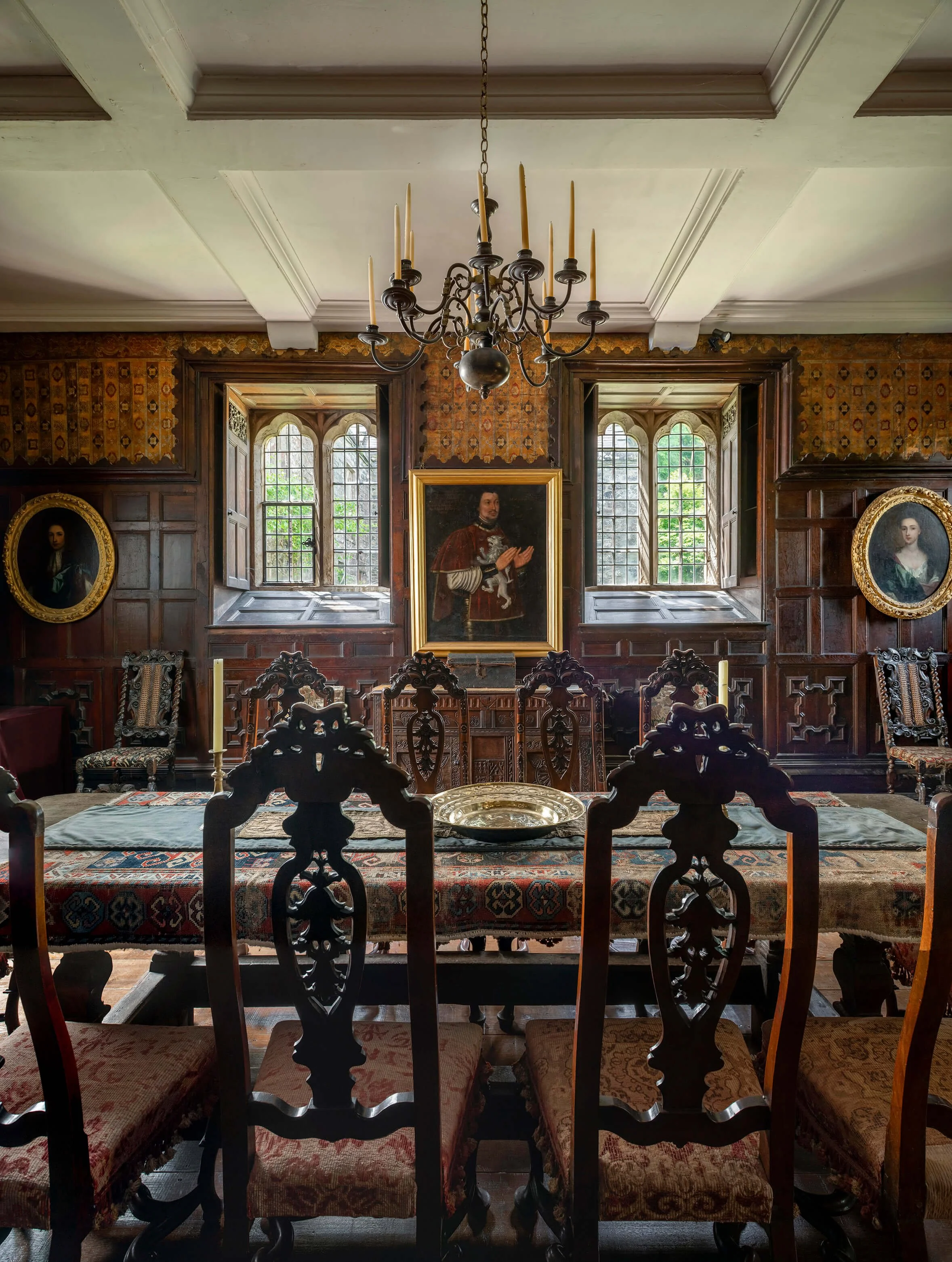
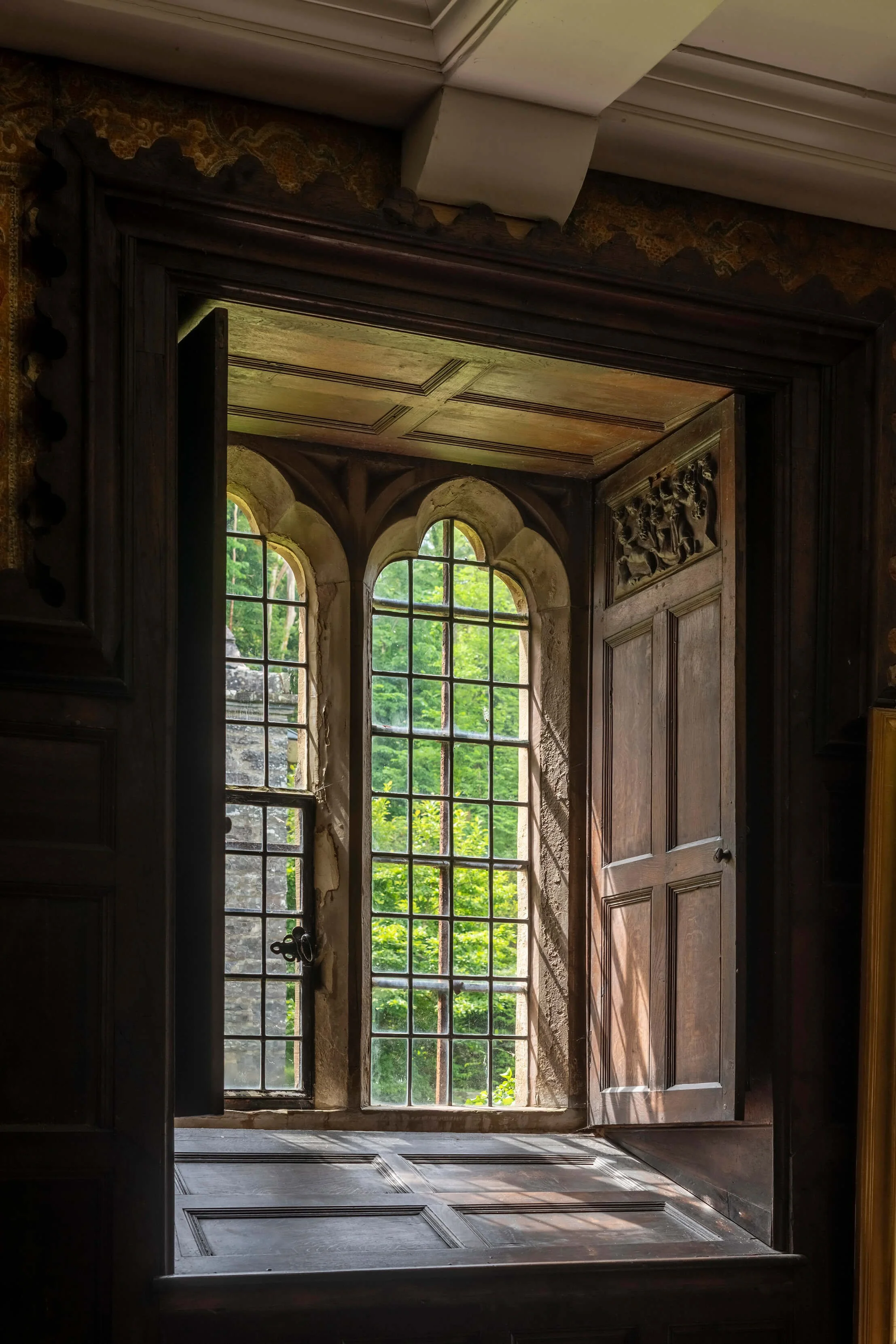
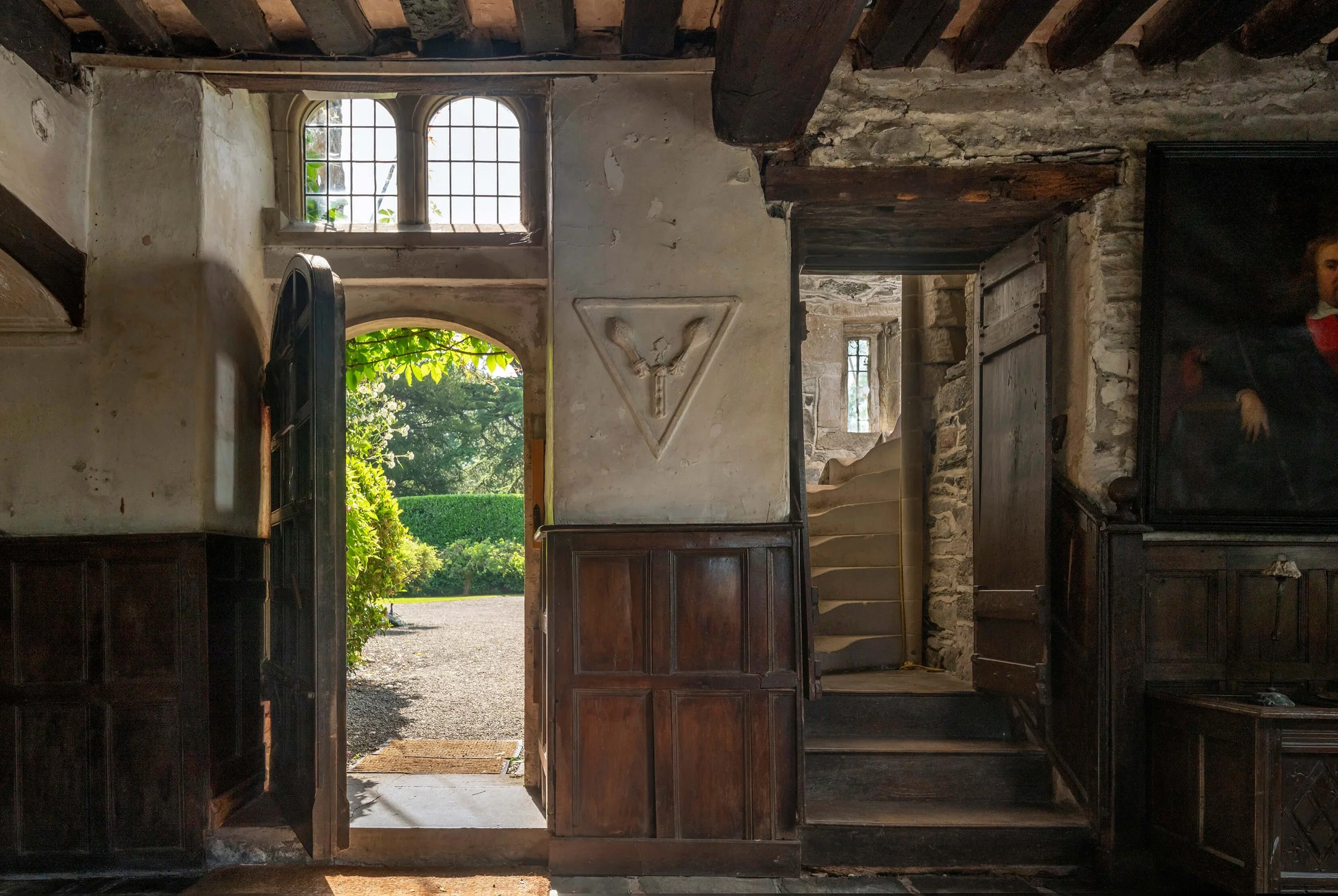
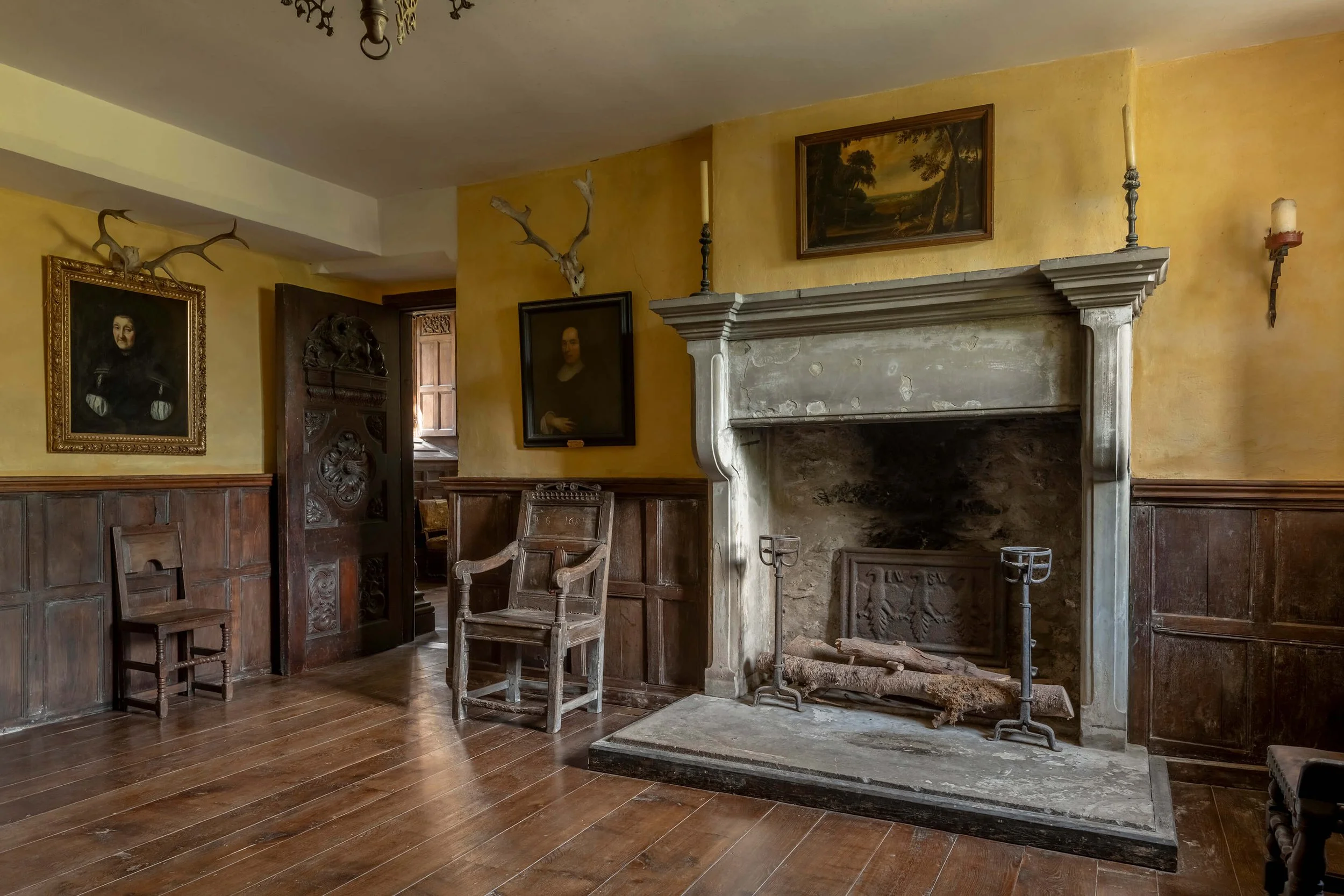
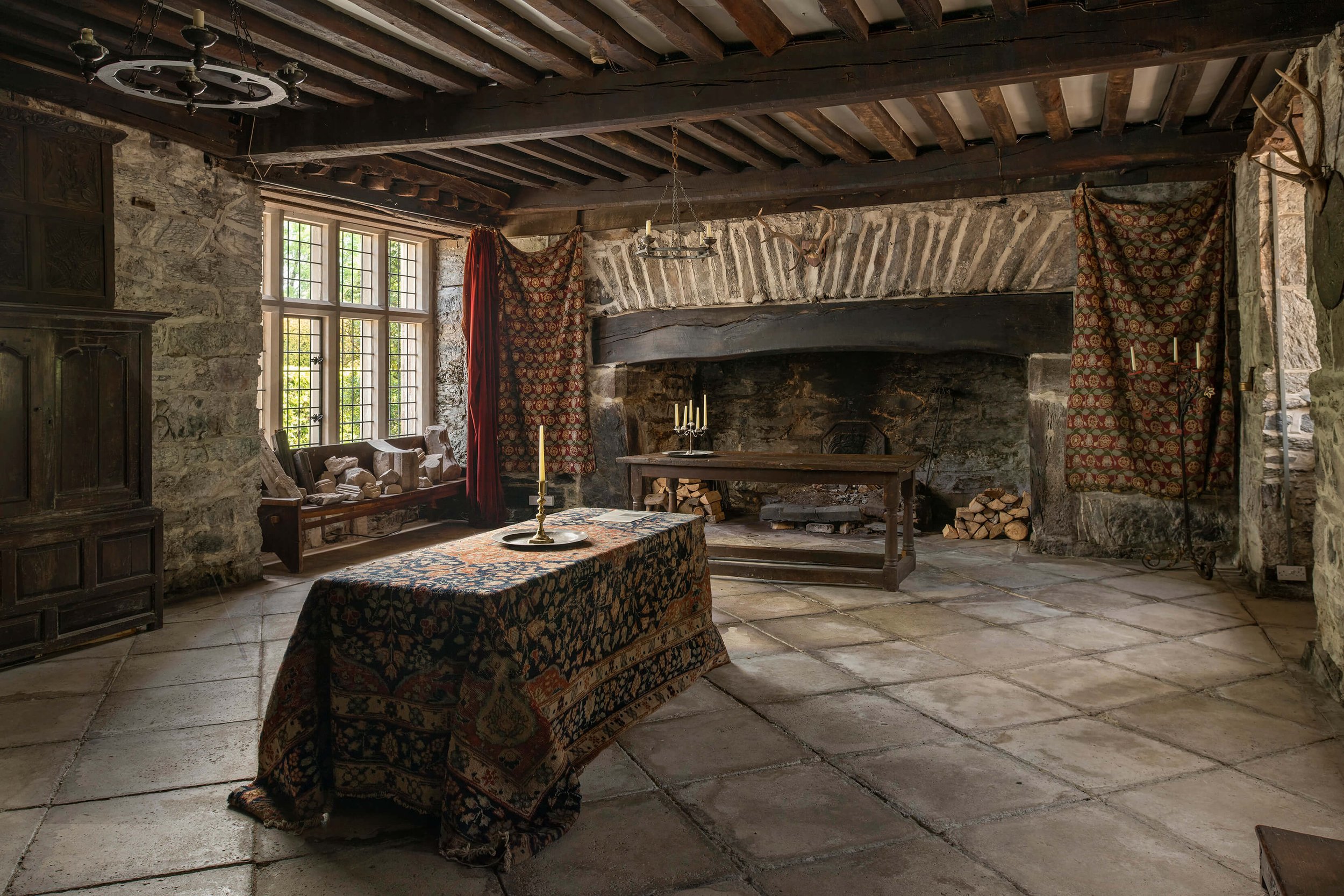
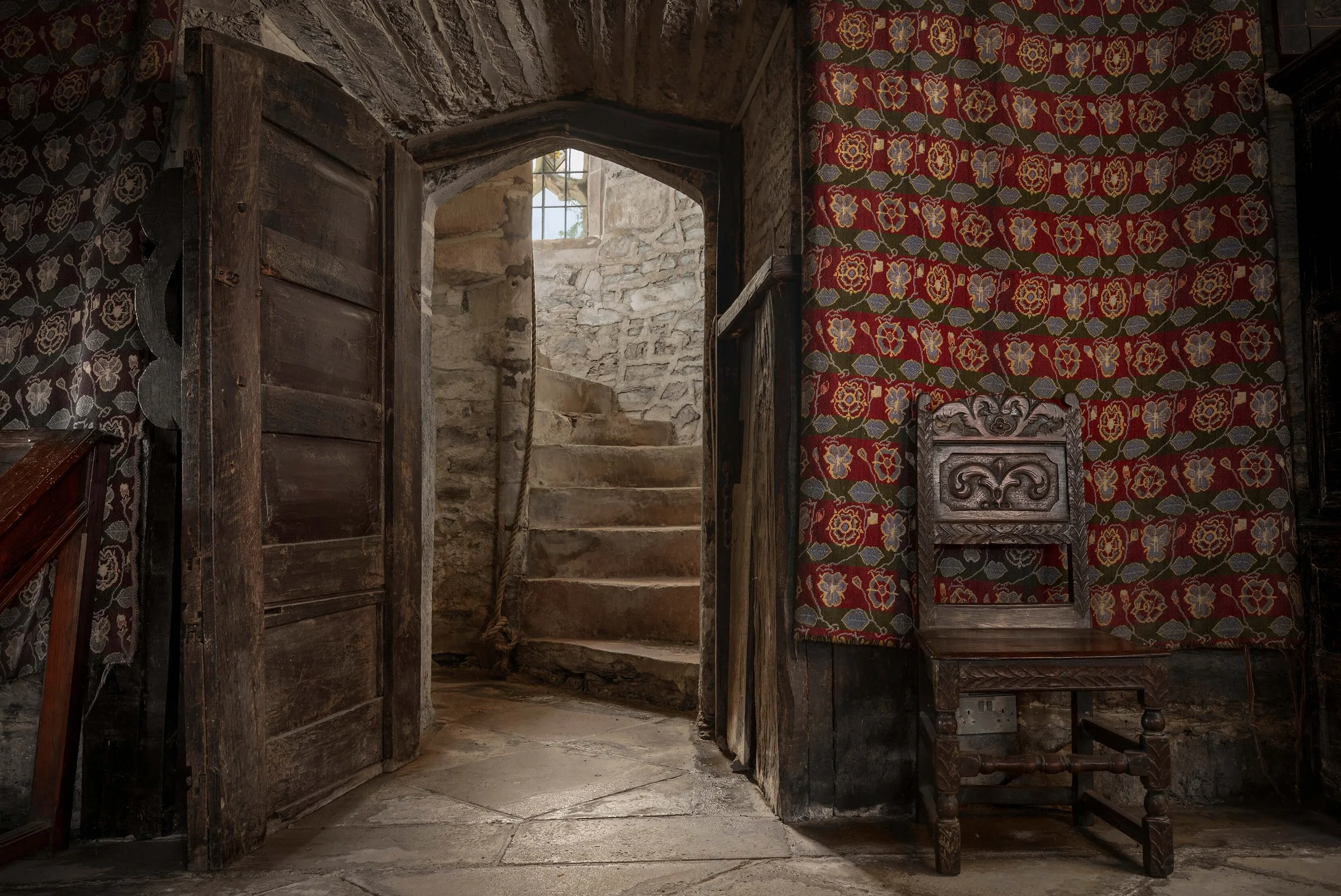
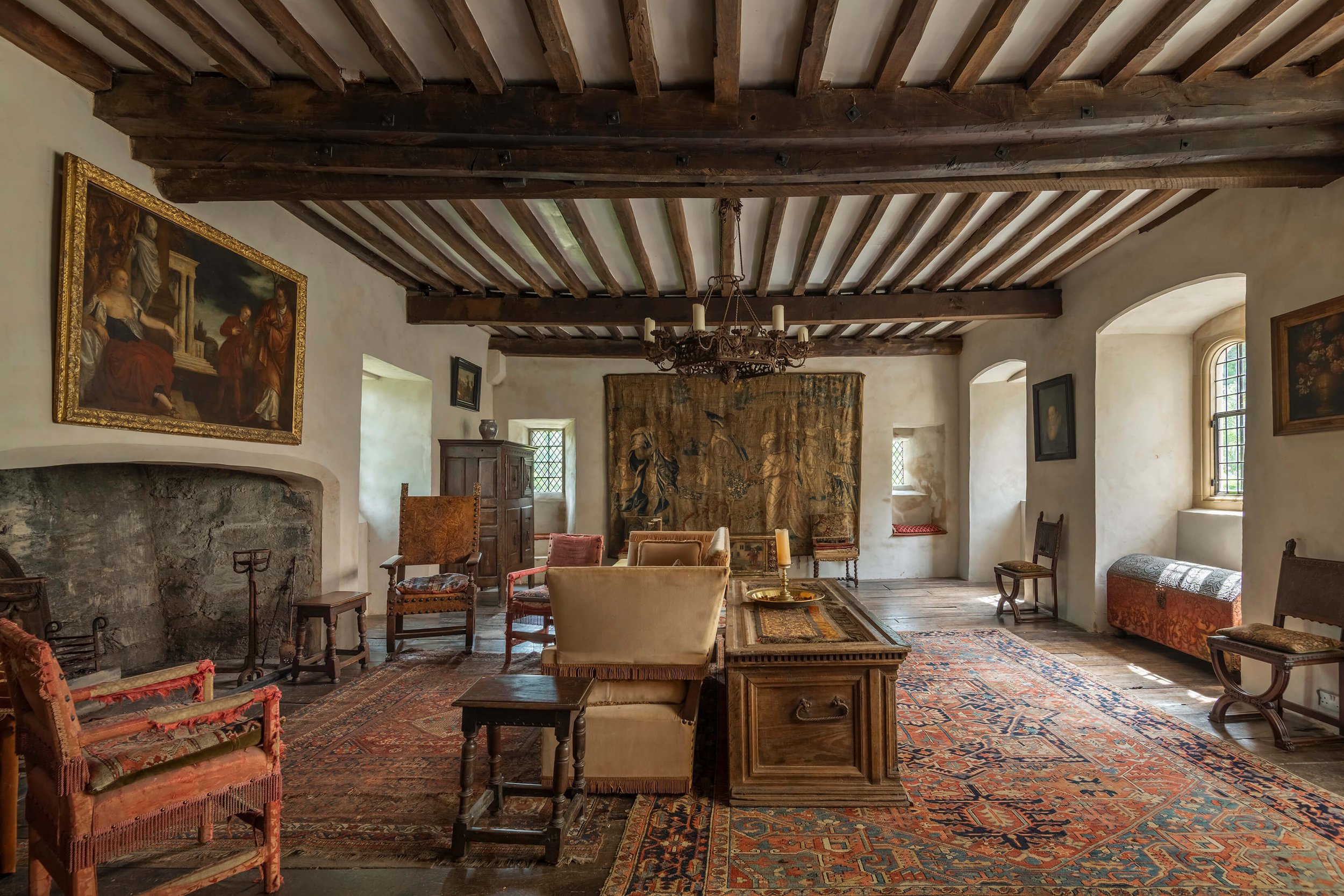
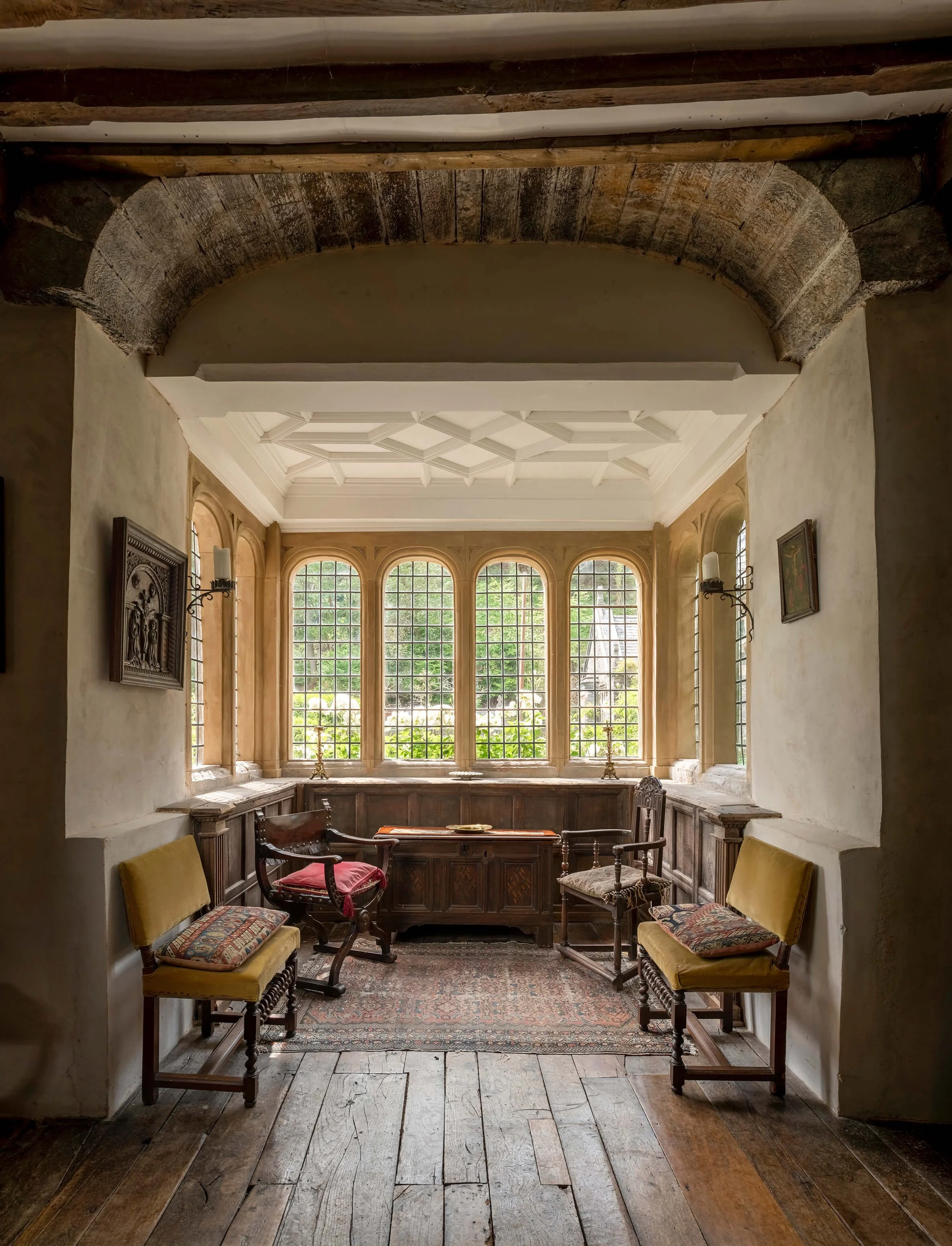
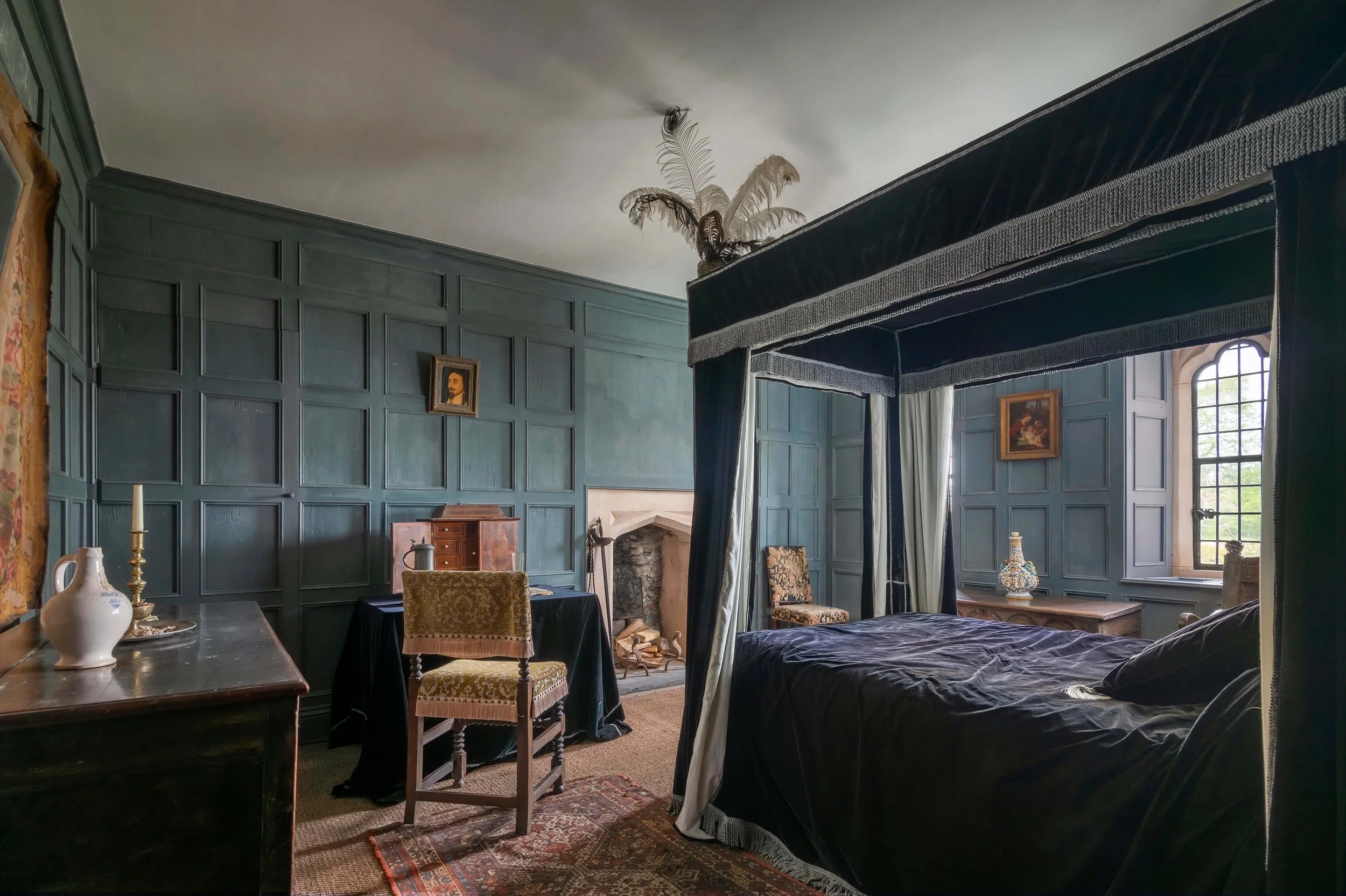
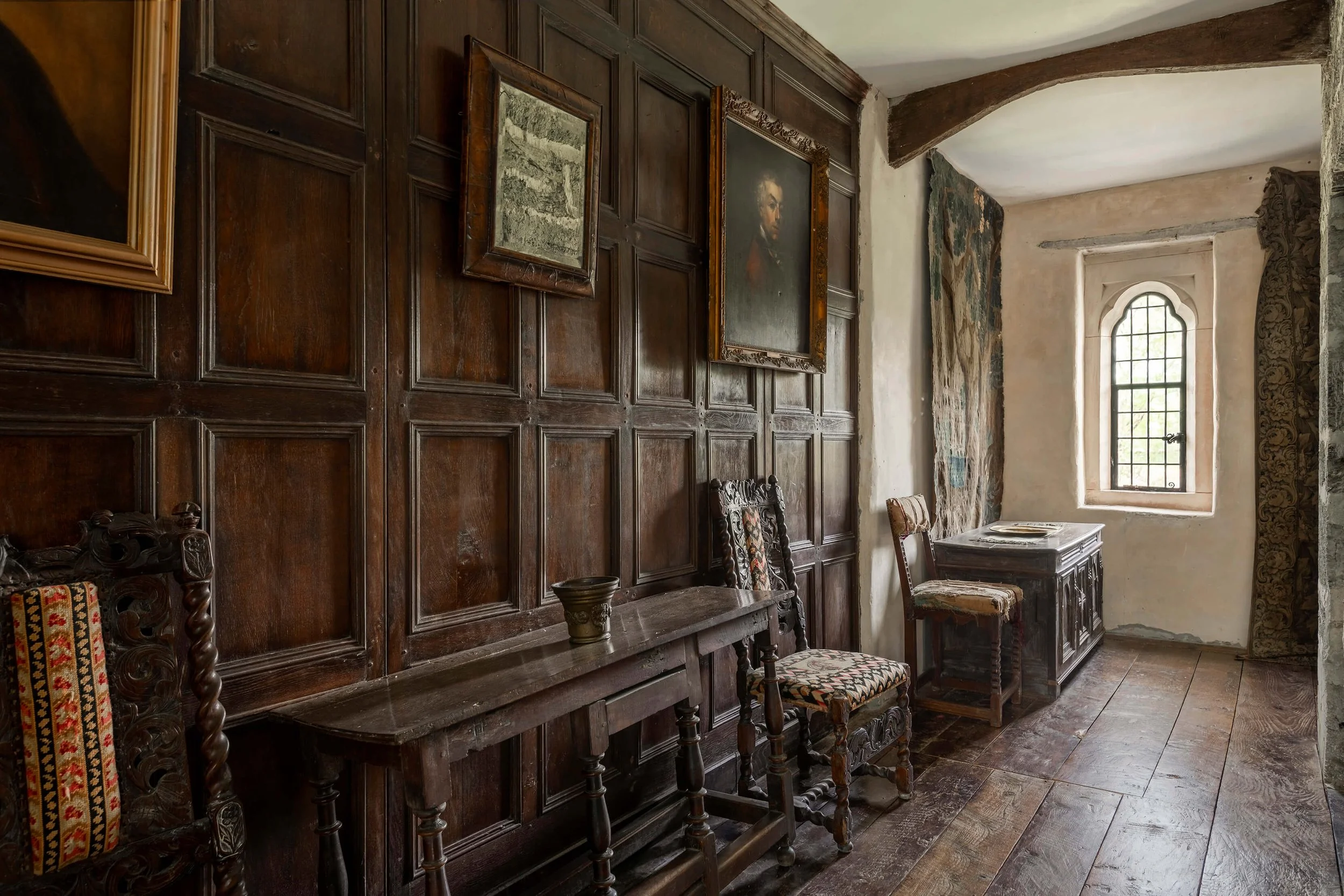
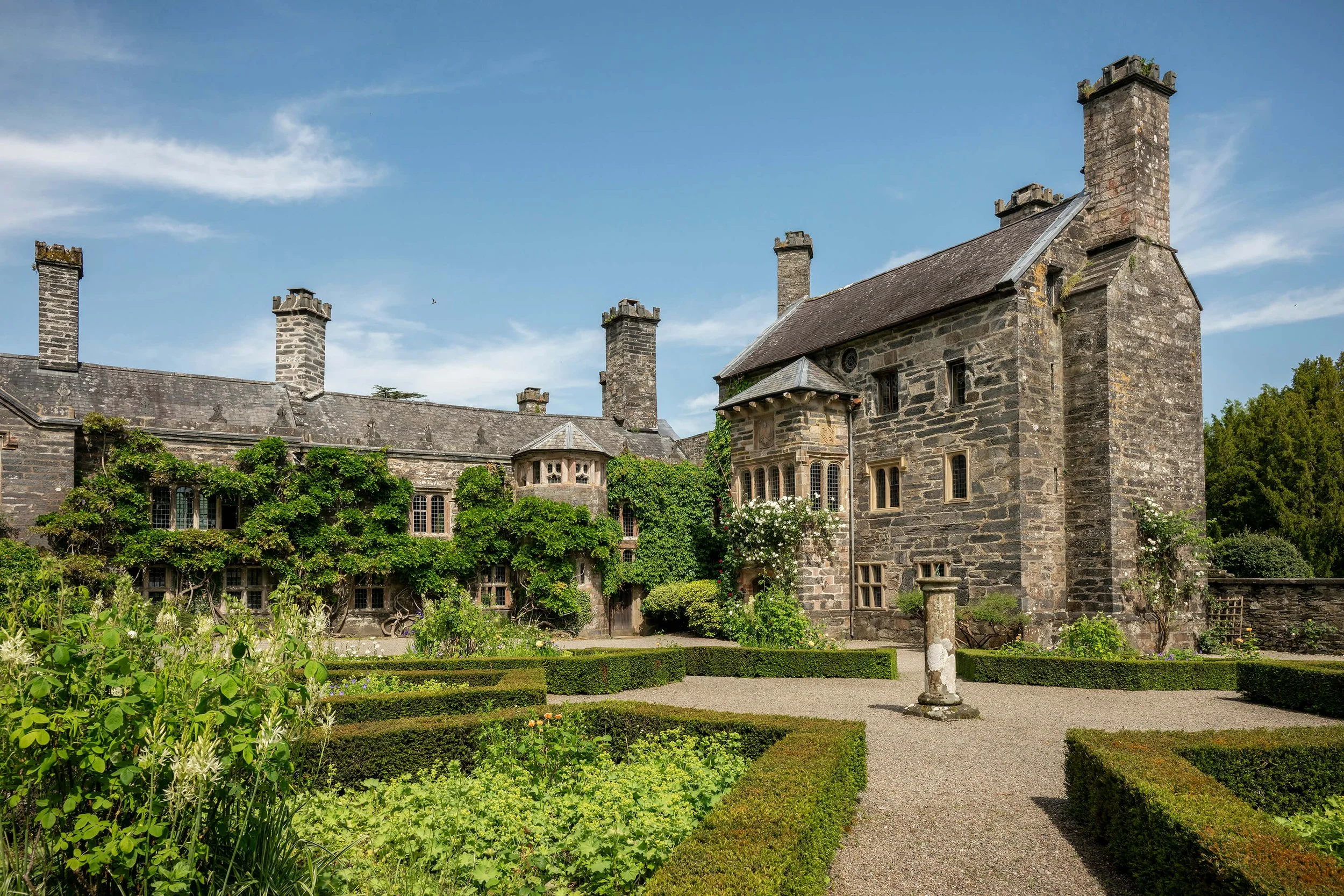
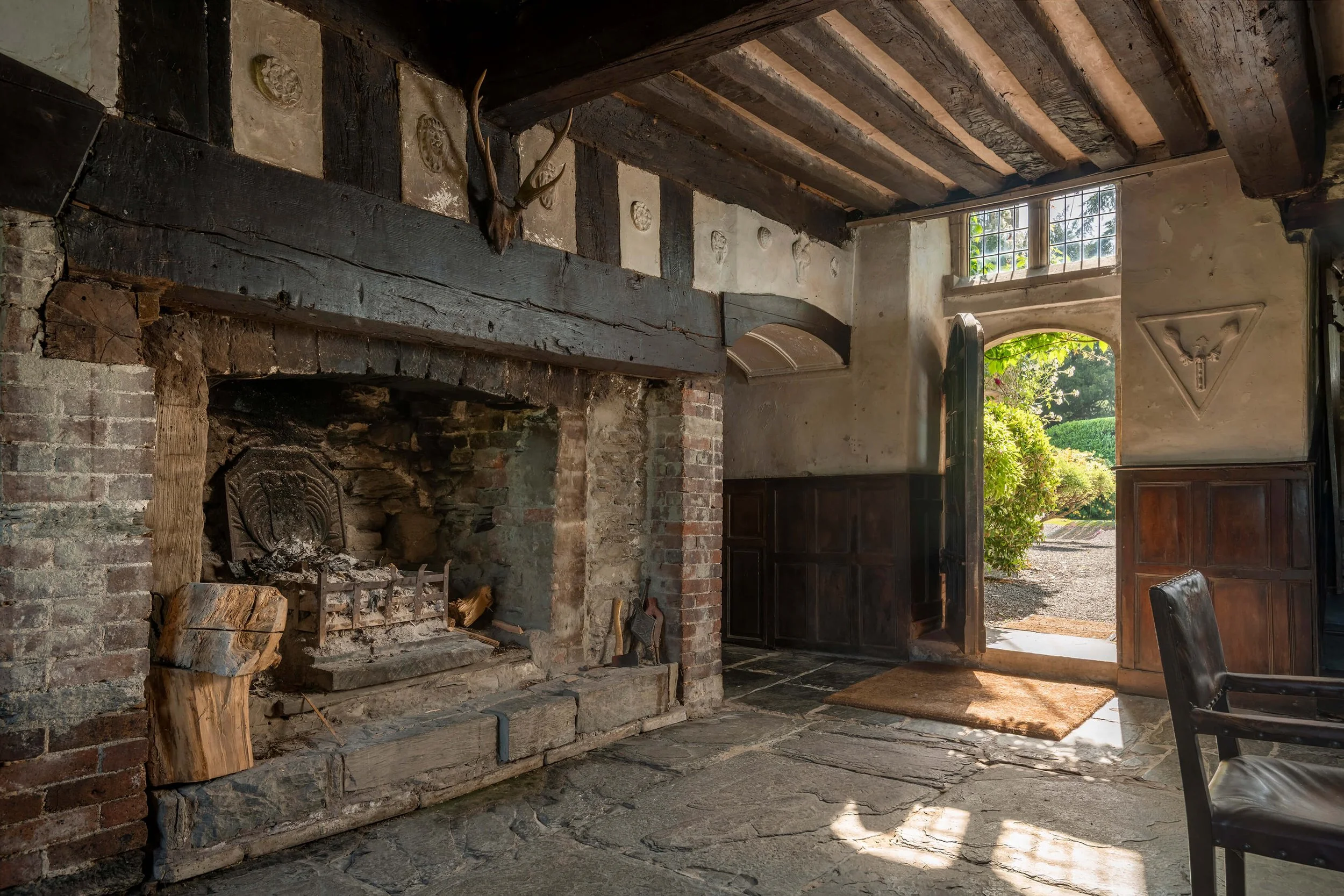
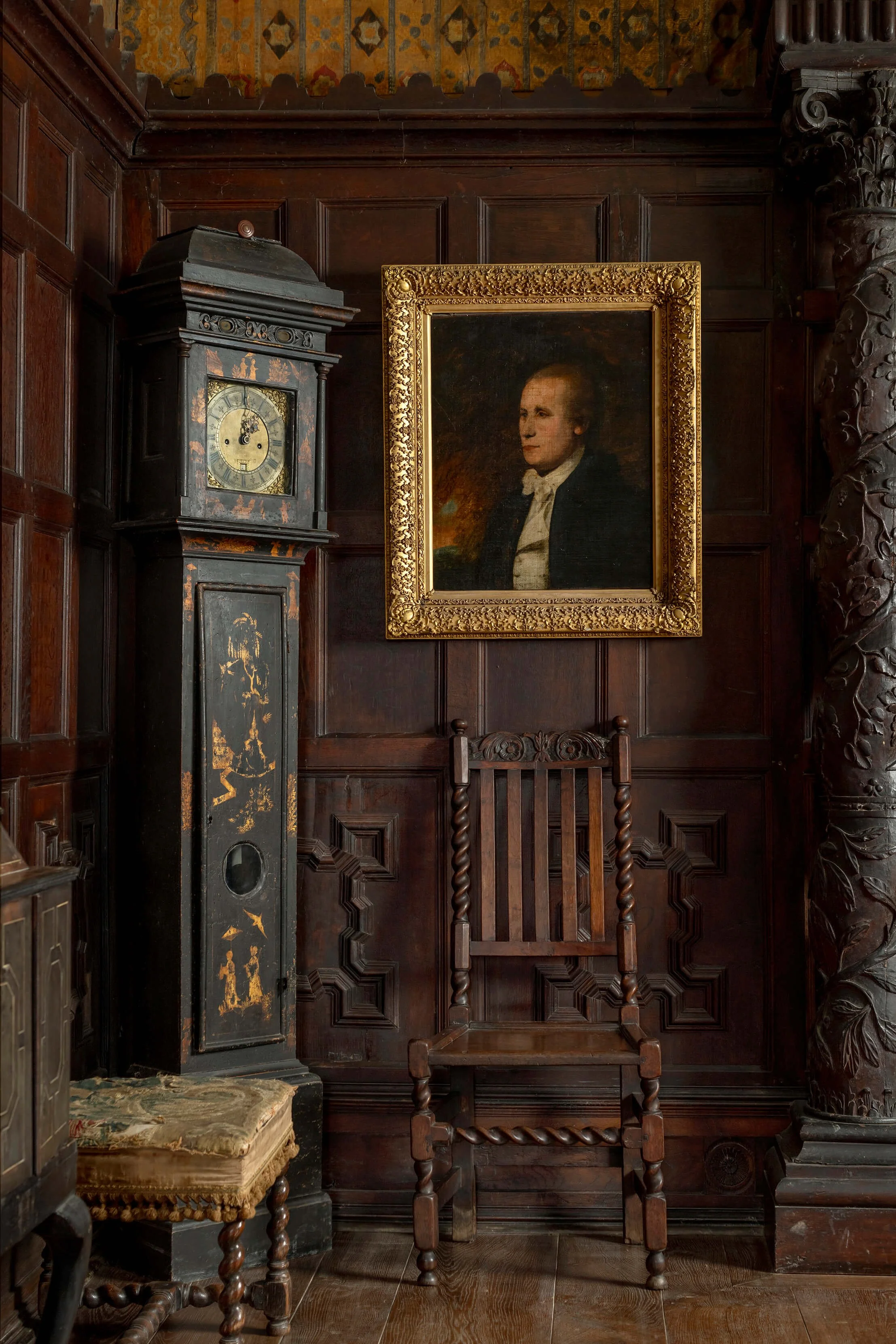
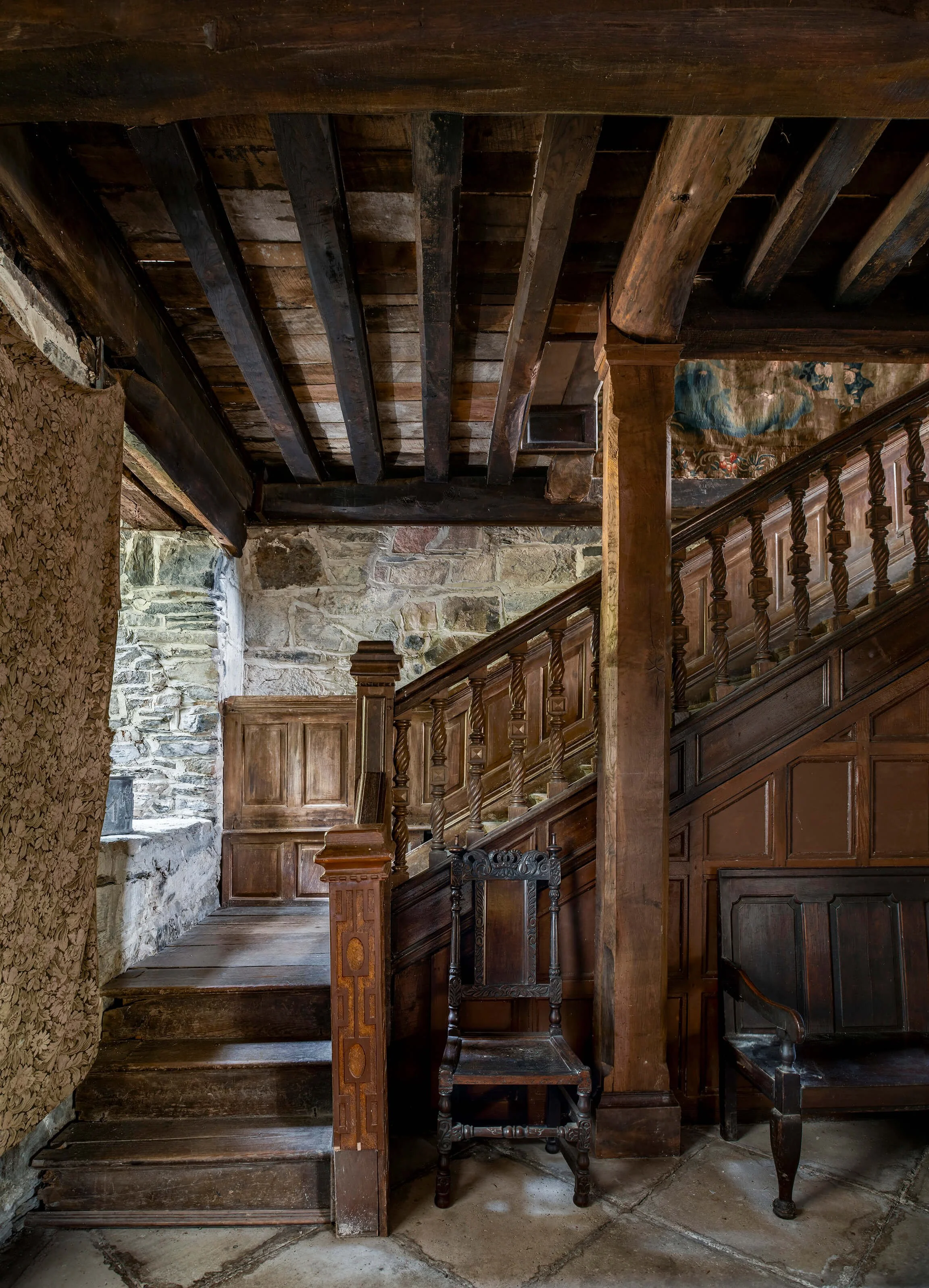
I recently had the opportunity to photograph this extraordinary property, capturing both its atmospheric interiors and its striking exterior setting against the backdrop of the Snowdonia landscape. Unlike many grand houses that have been extensively modernised, Gwydir retains an authenticity that is immediately apparent. Its rooms feel lived in and layered with history, with original architectural features, period furnishings and centuries-old craftsmanship.
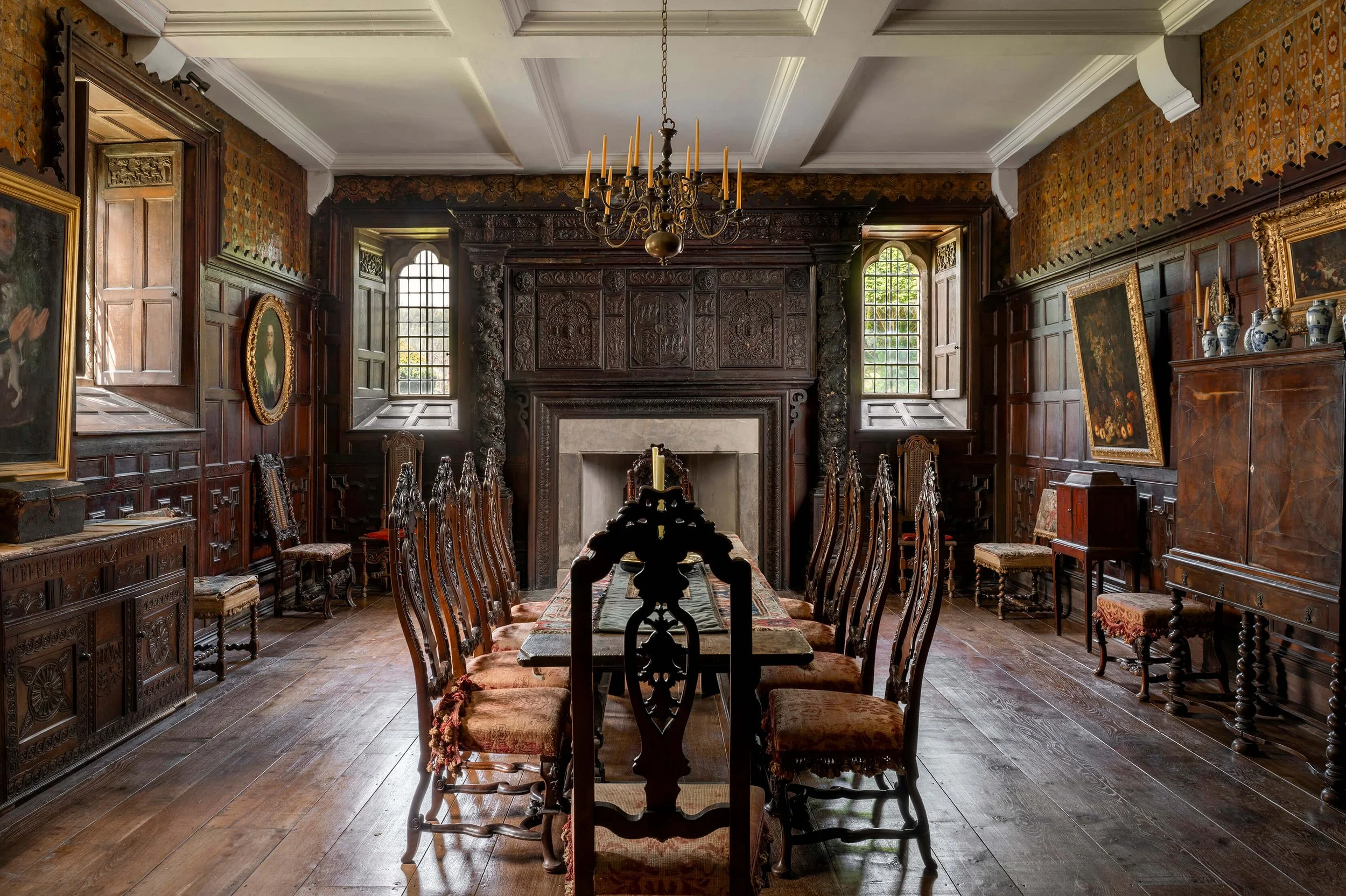
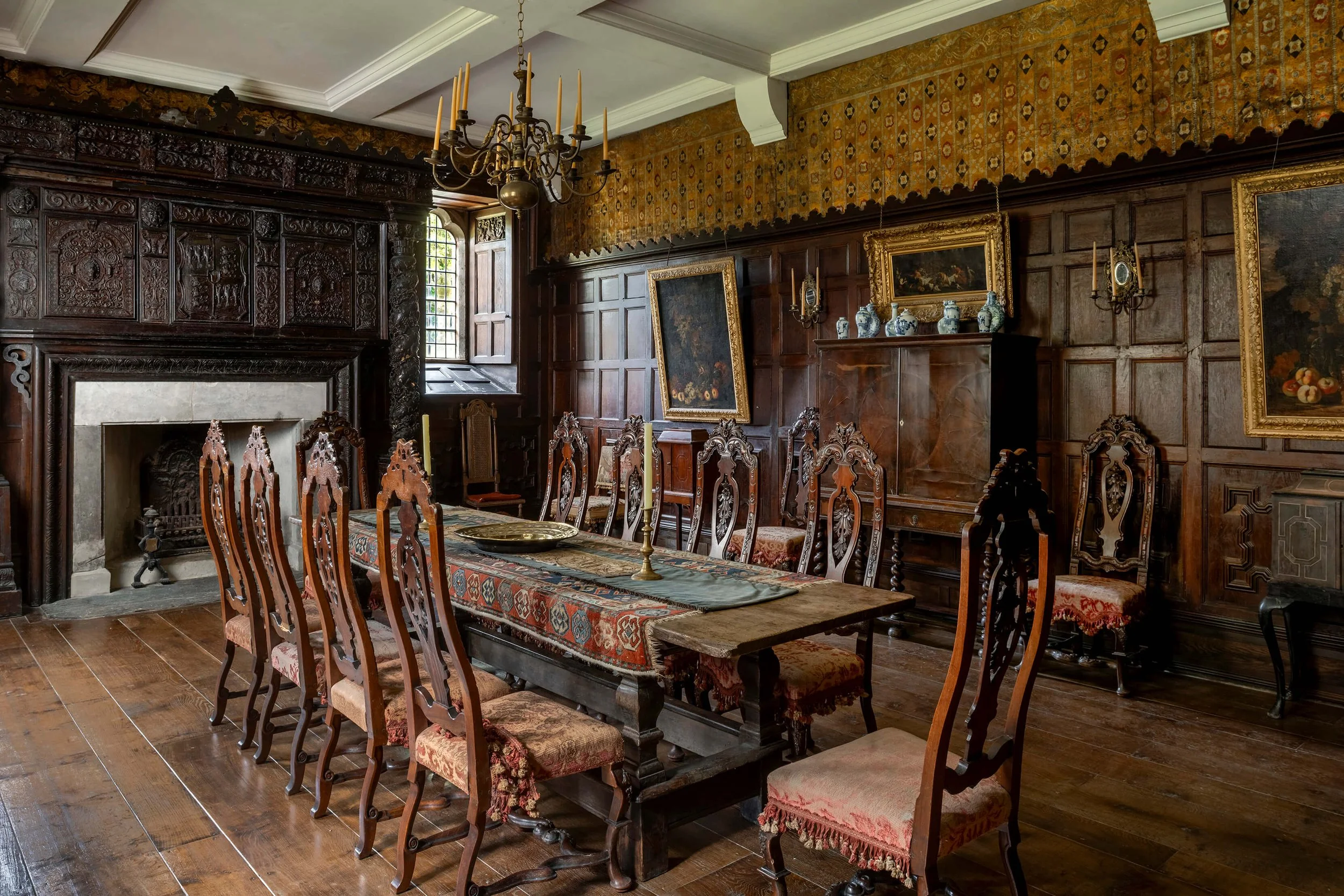
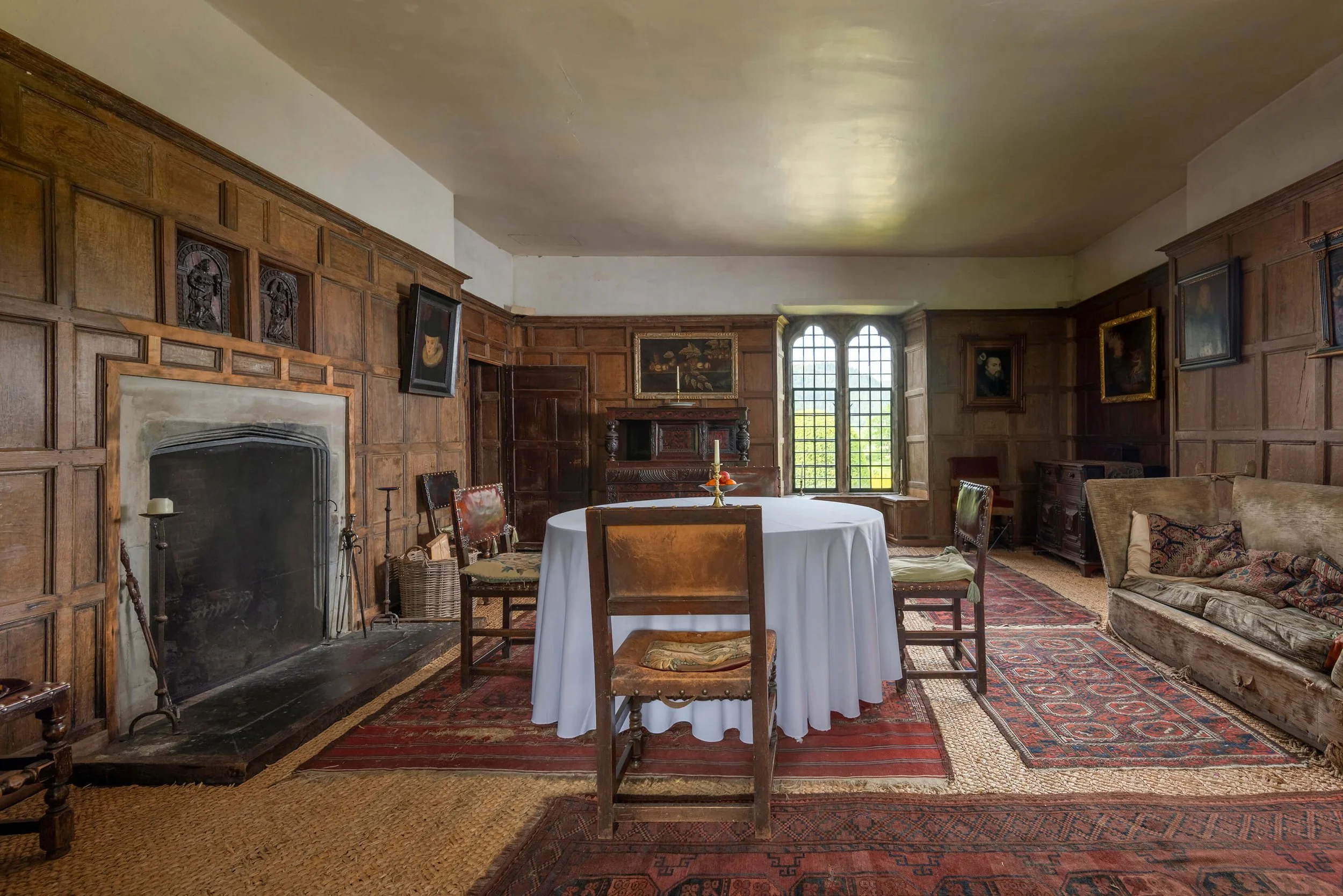
One of the highlights of the visit was photographing the famous panelled dining room. In one of the most extraordinary stories associated with any British historic house, much of the room's 17th-century panelling was removed and sold during the early 20th century. Decades later, it was traced to the collection of the Metropolitan Museum of Art in New York. Through the determination of the castle's owners, negotiations were undertaken to secure its return, allowing this remarkable interior to be painstakingly reinstated to its original setting.
Throughout the castle, there is a wonderful sense of discovery. Historic staircases, richly textured stonework, panelled rooms and carefully preserved architectural details reveal themselves at every turn.
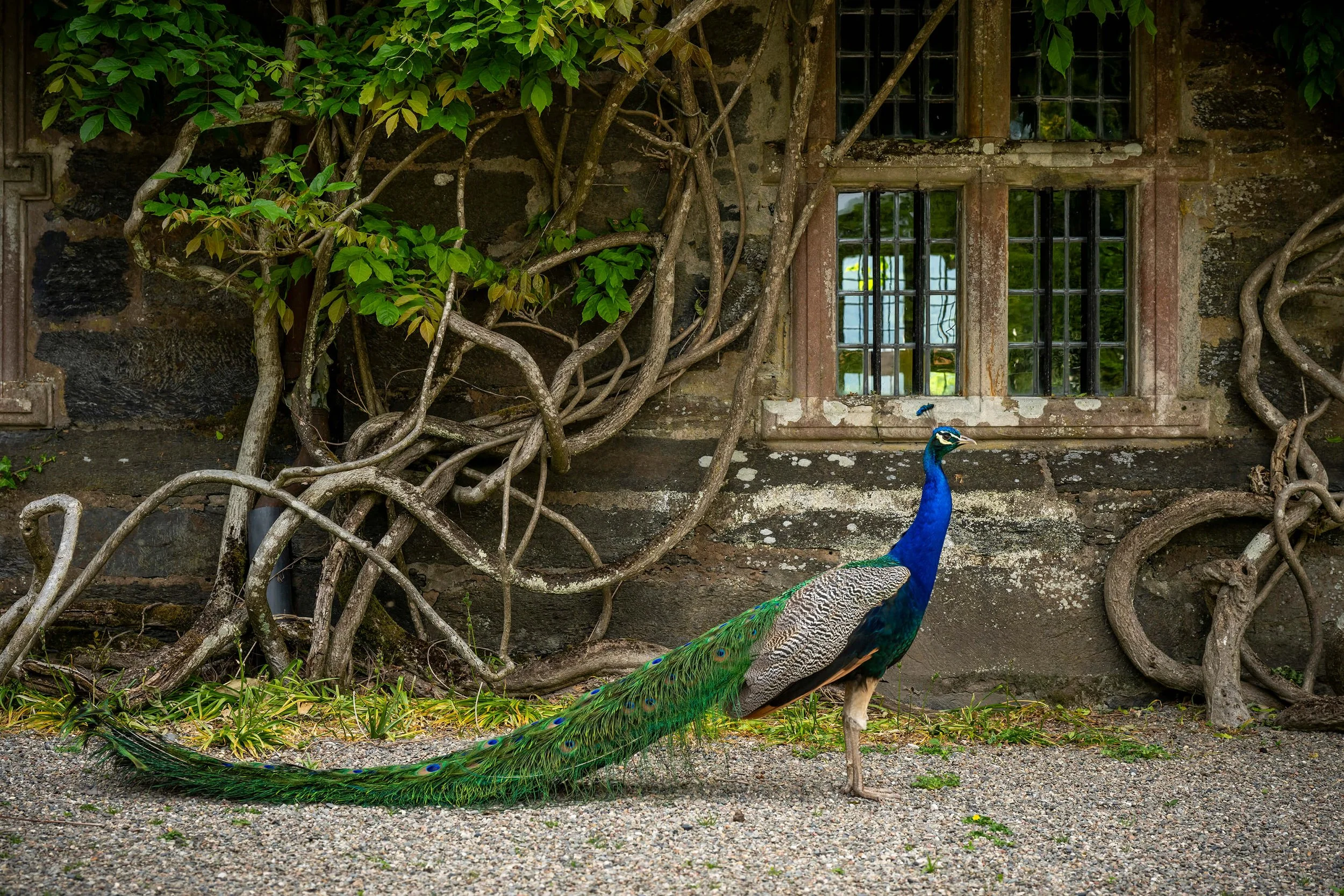
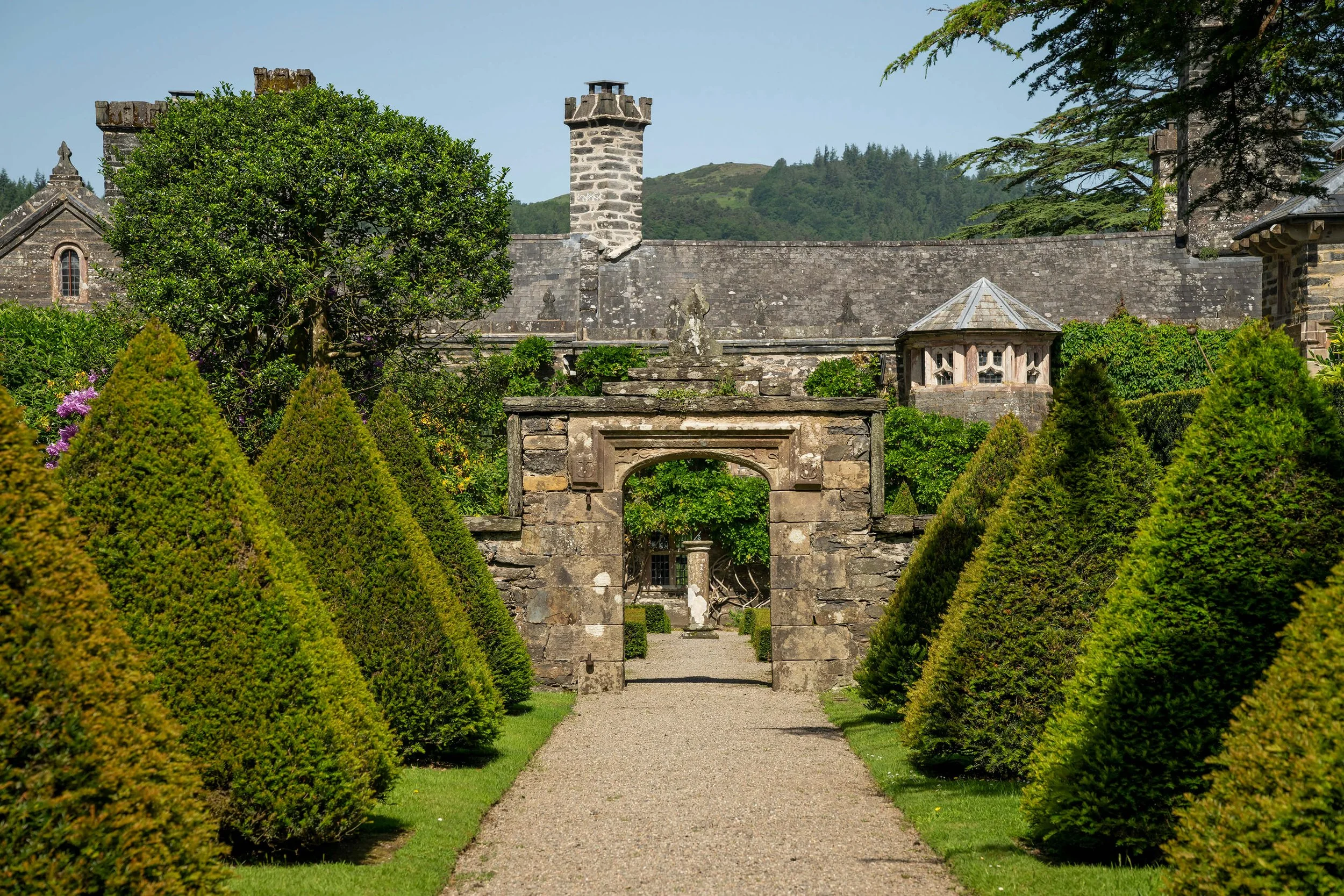
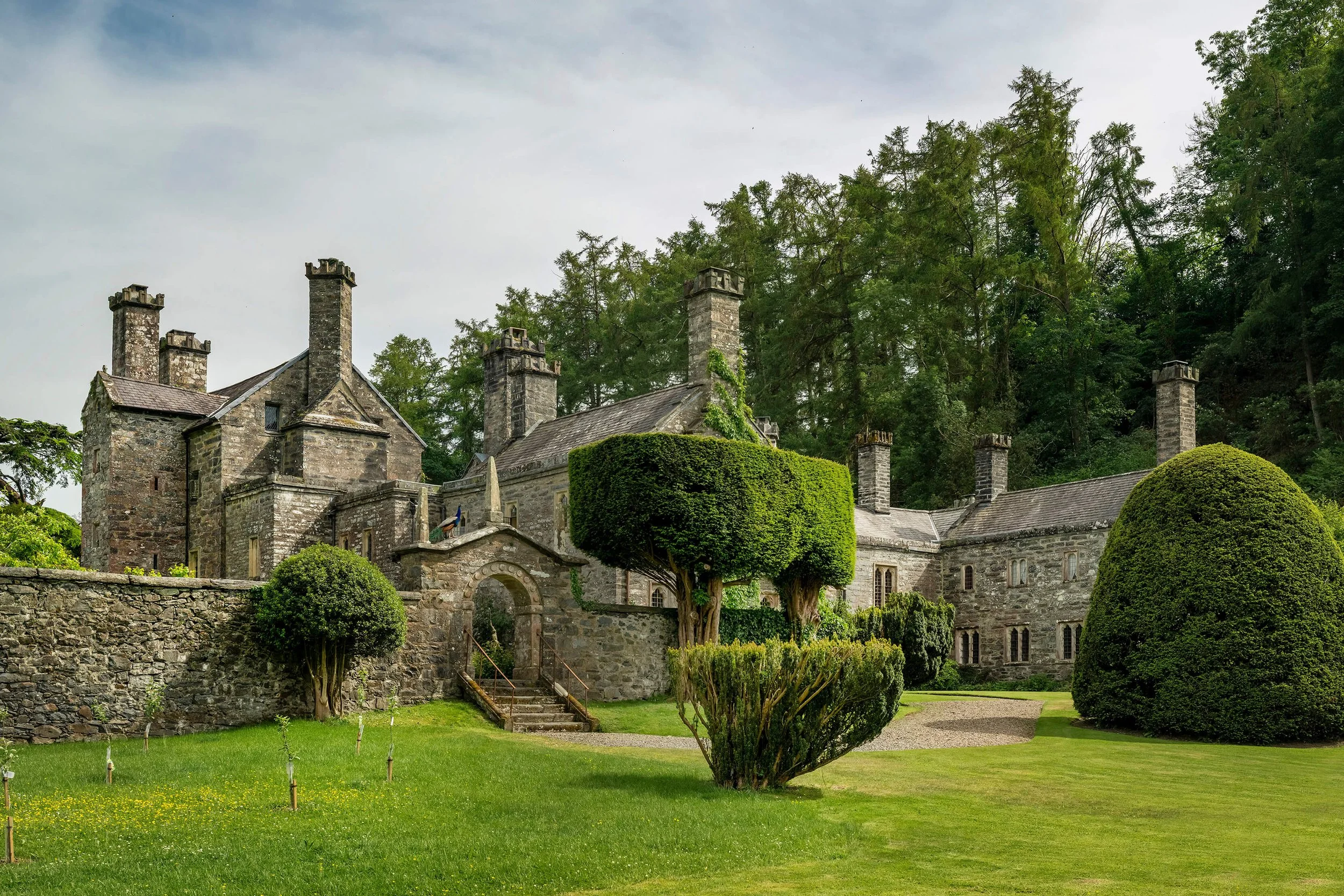
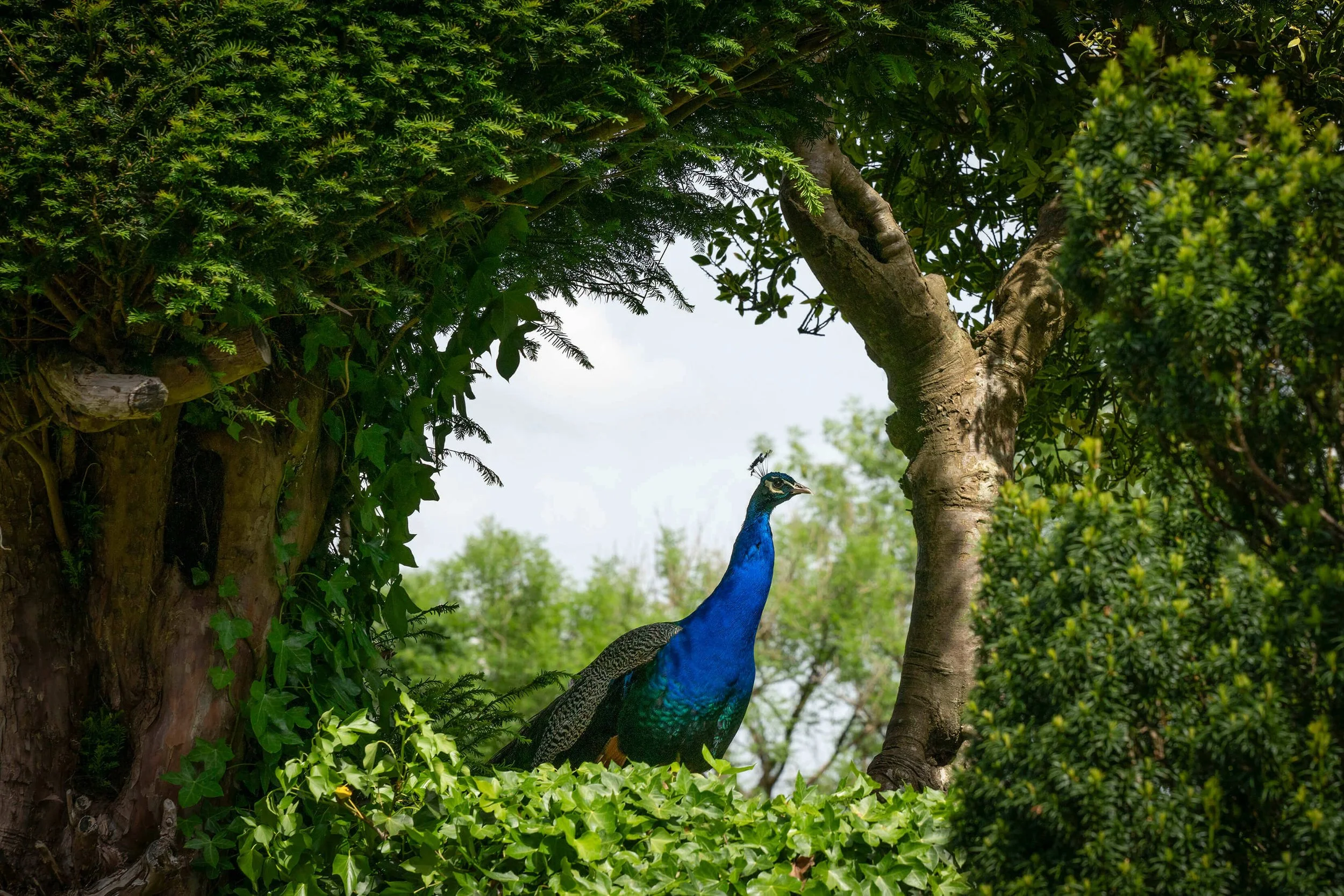
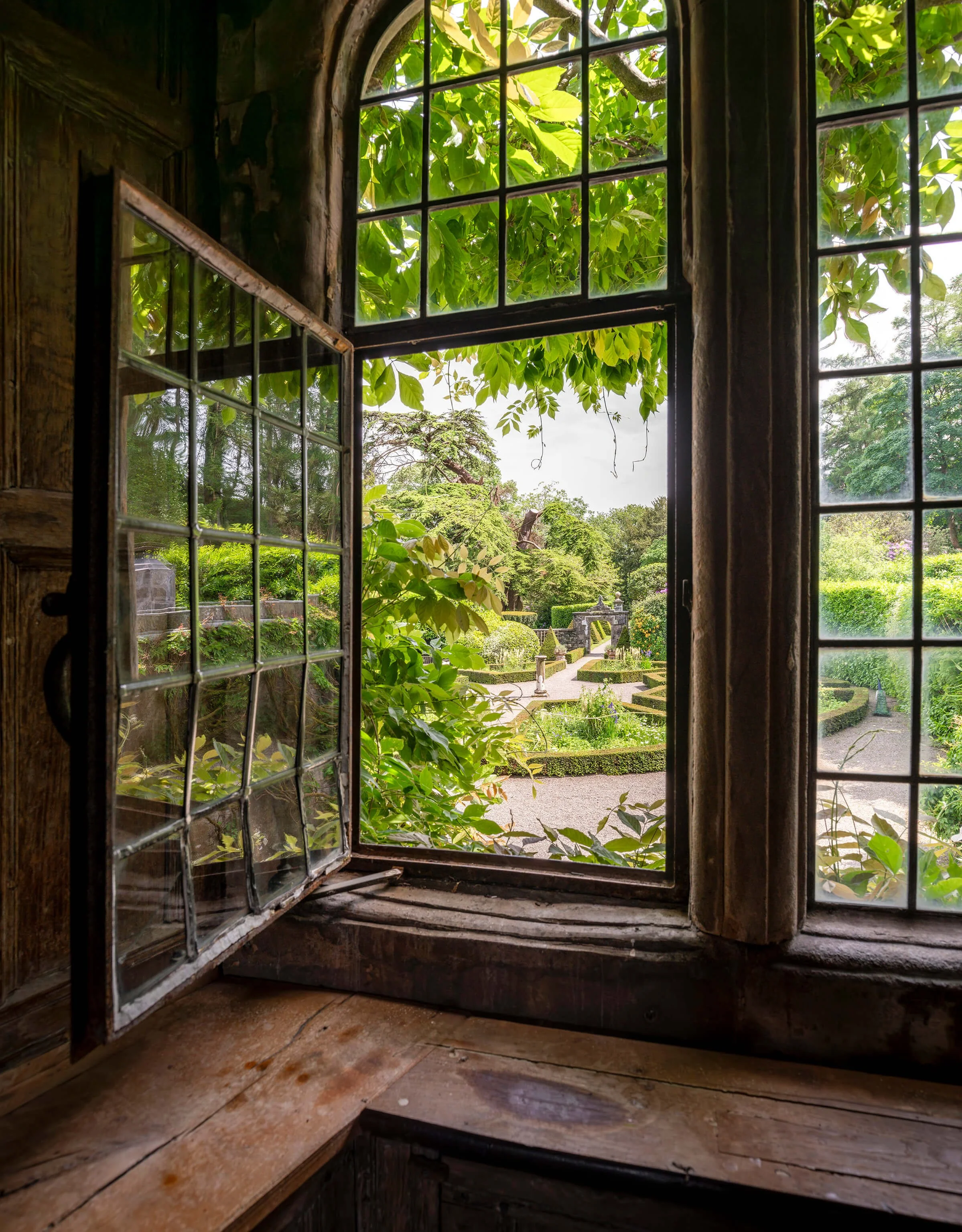
Outside, the castle's gardens and surrounding landscape provide an equally compelling subject. The combination of ancient stone walls, mature trees and views across the Conwy Valley creates a setting that feels timeless. Adding to the castle's unique character is its resident population of around twenty peacocks, which roam freely throughout the grounds.
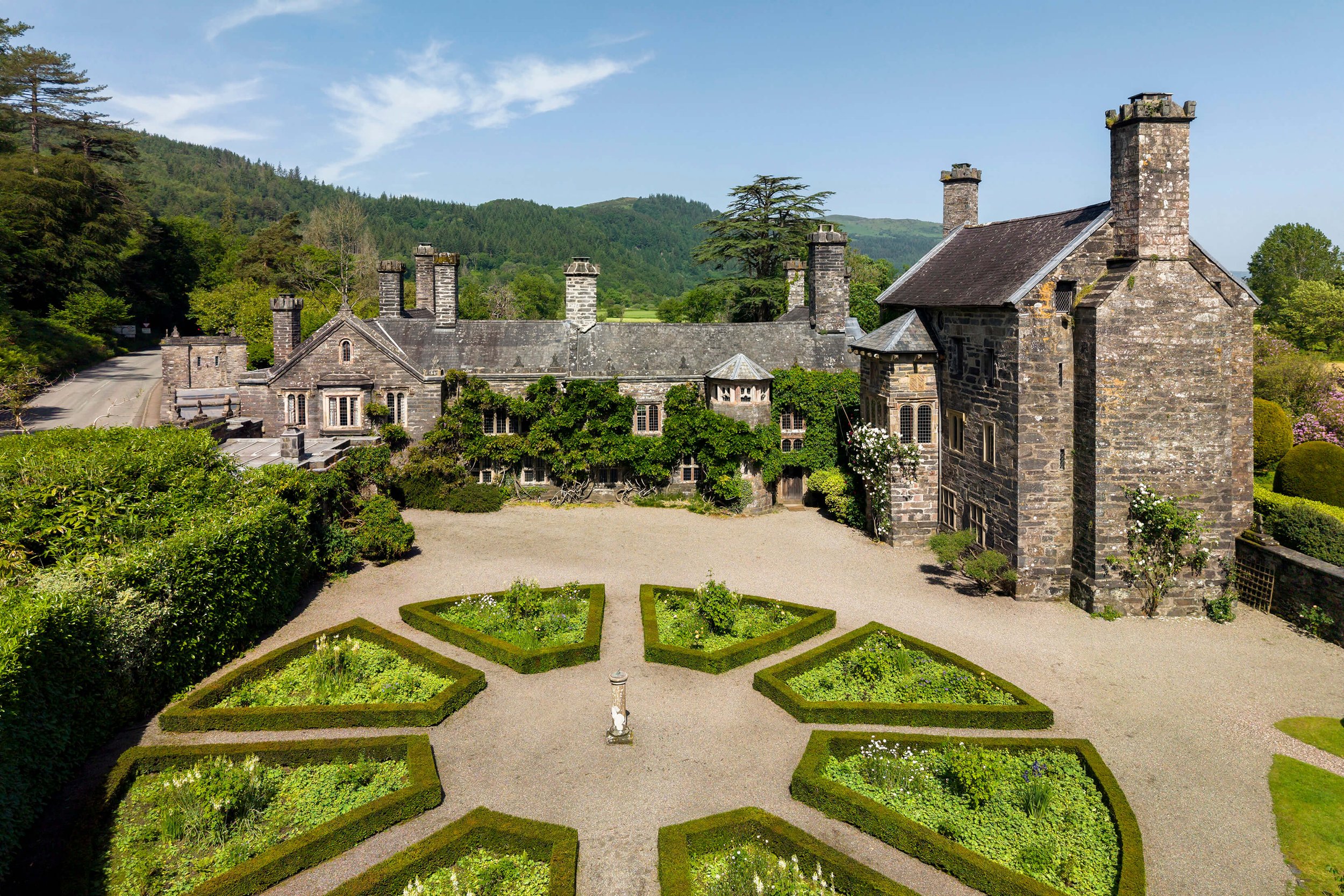
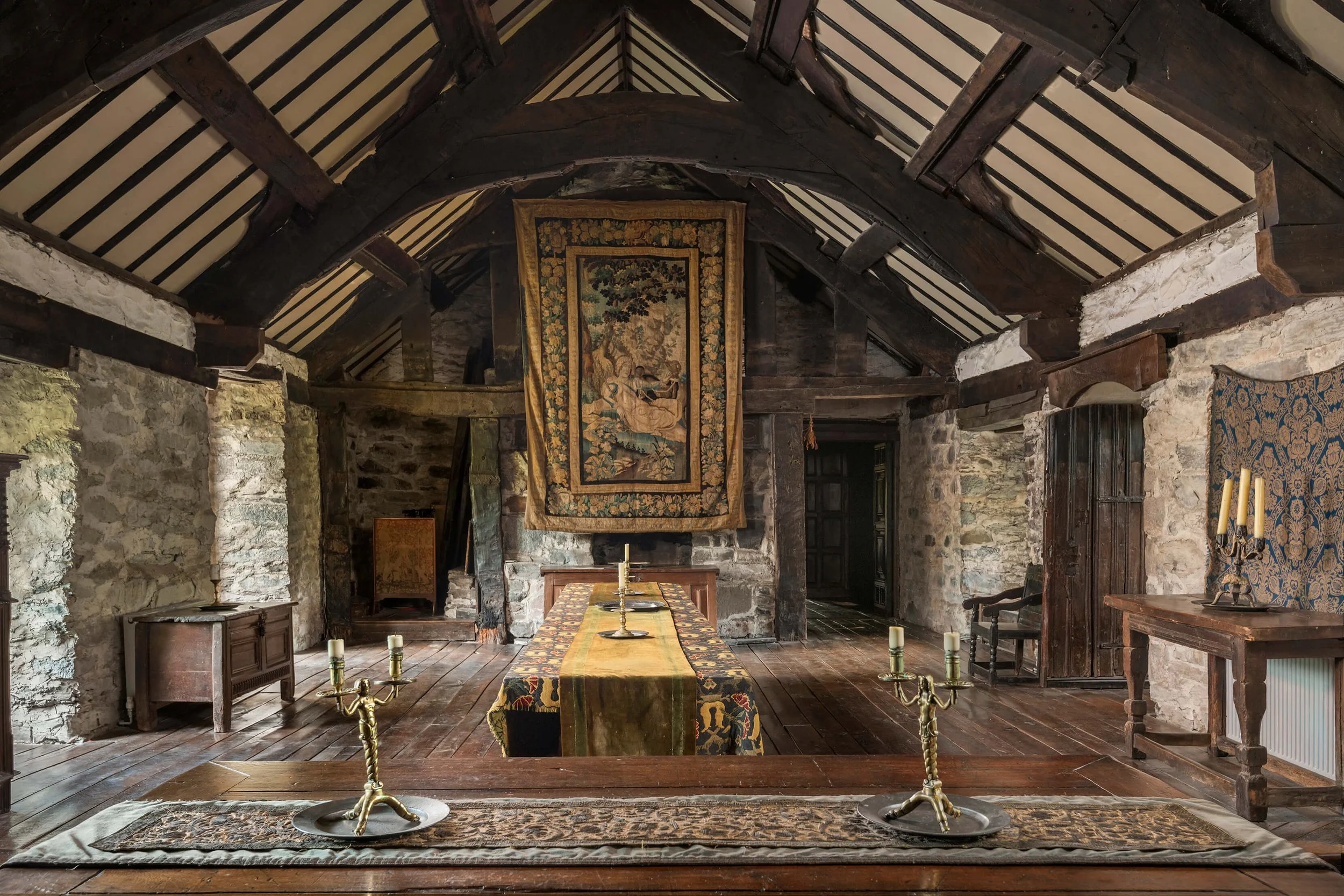
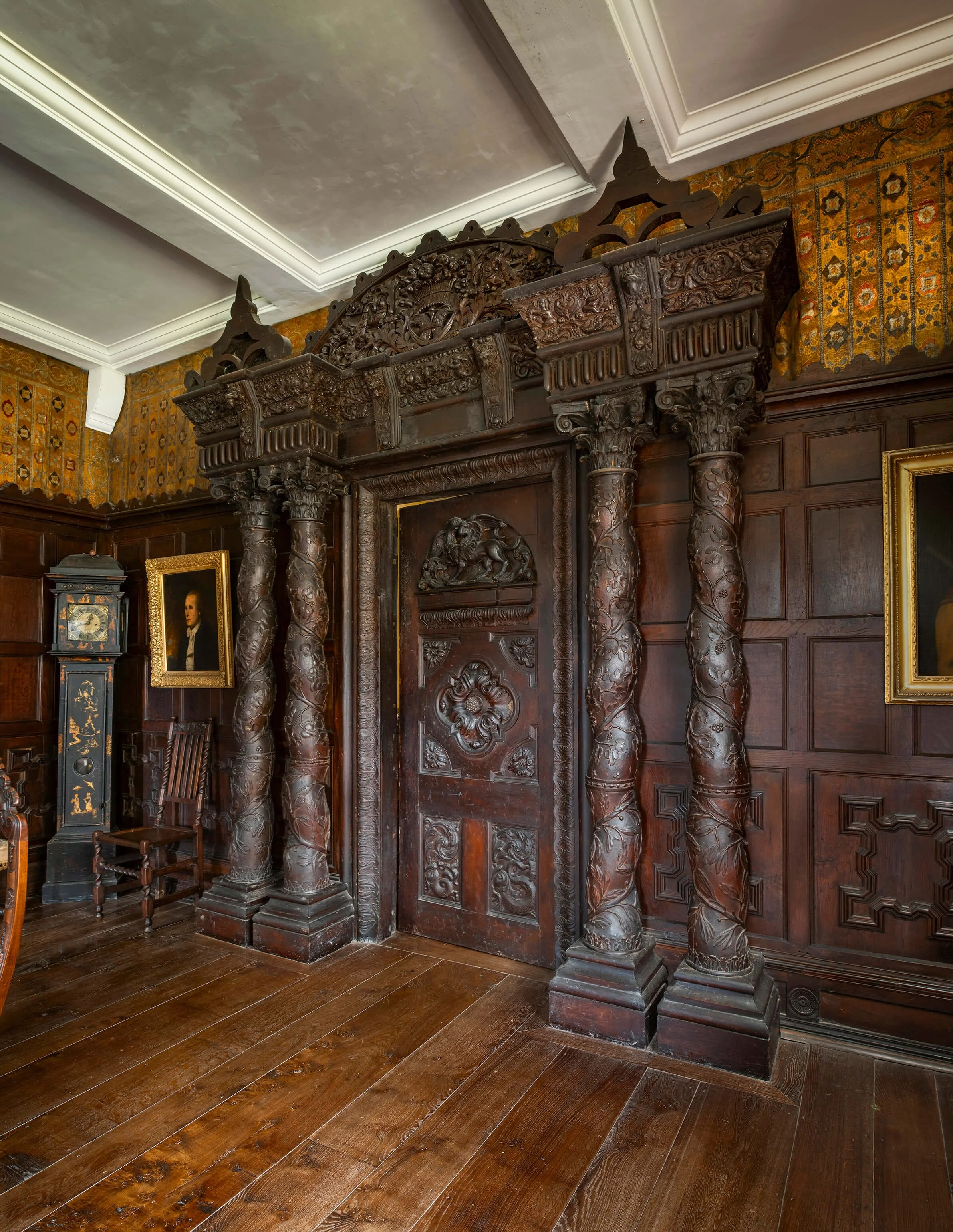
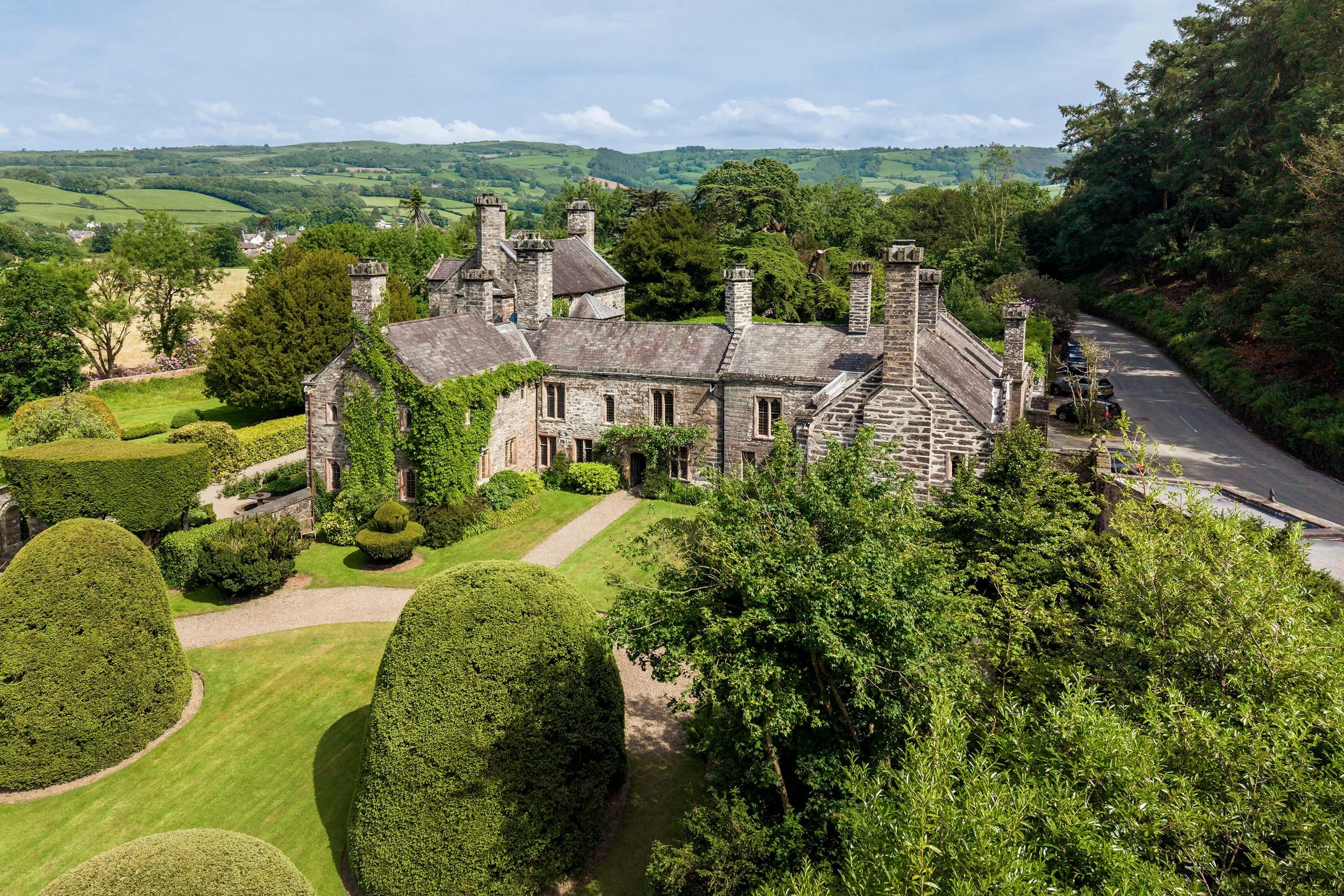
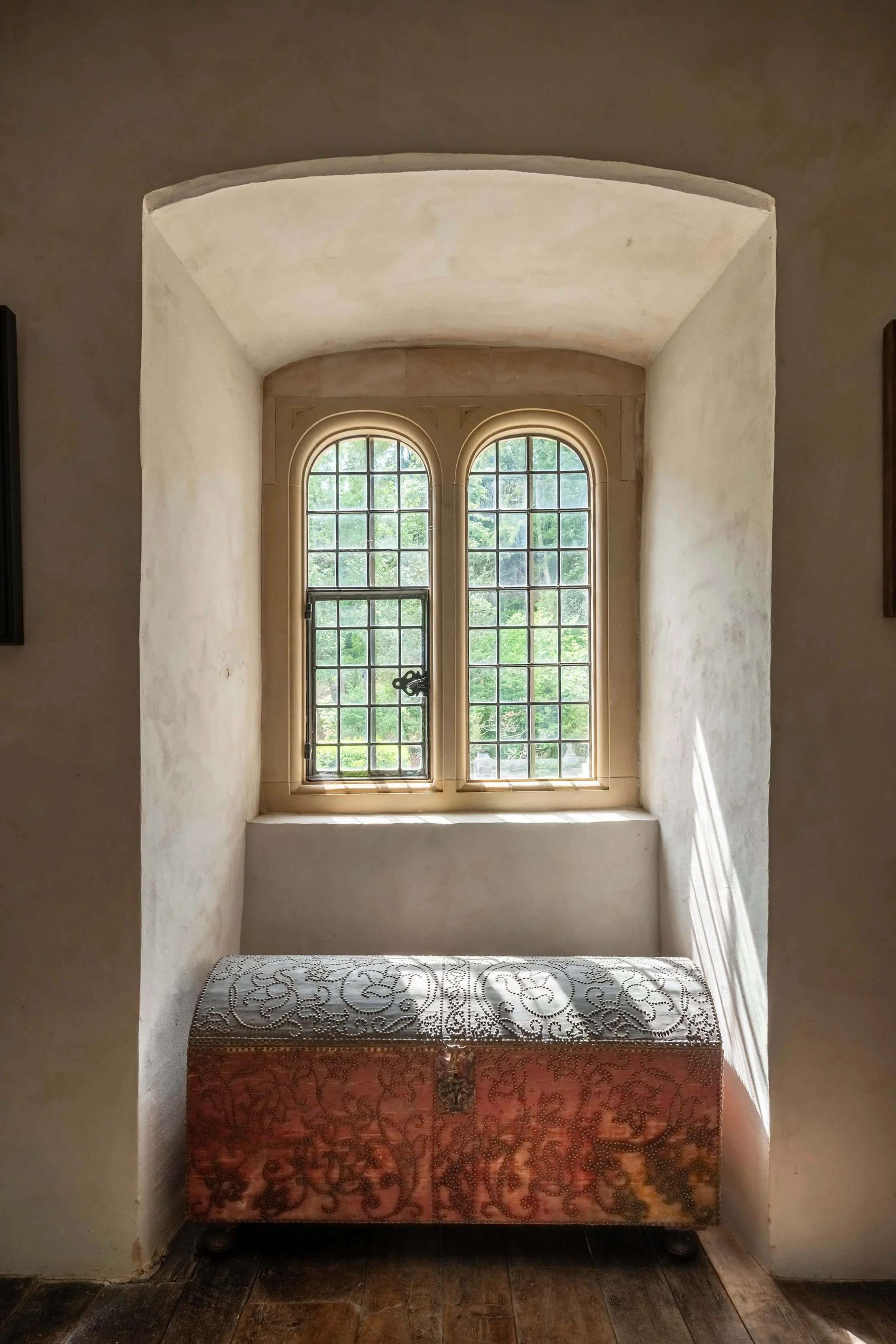
Drone footage of Gwydir Castle in North Wales
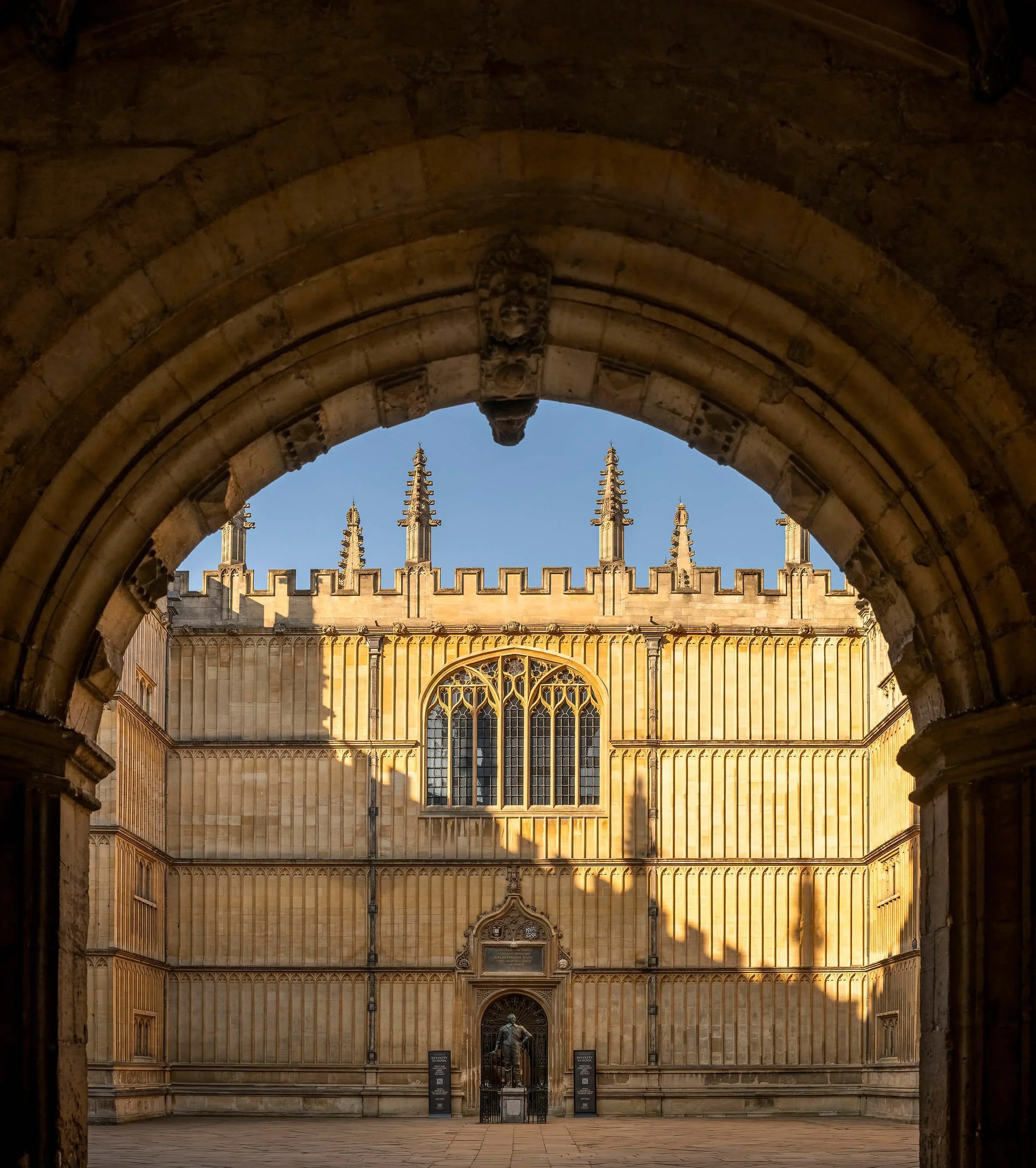
The Bodleian Library, Oxford
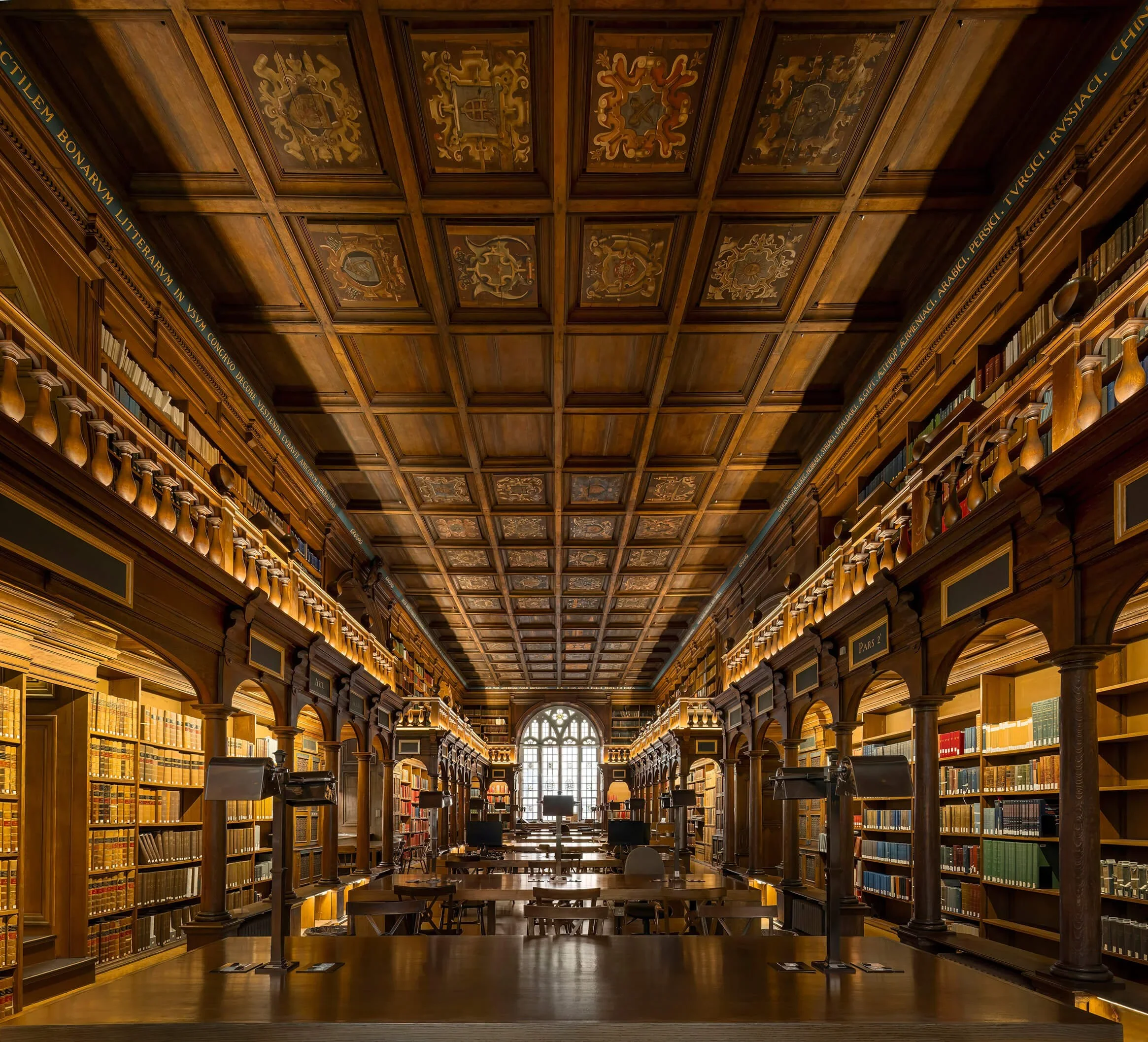
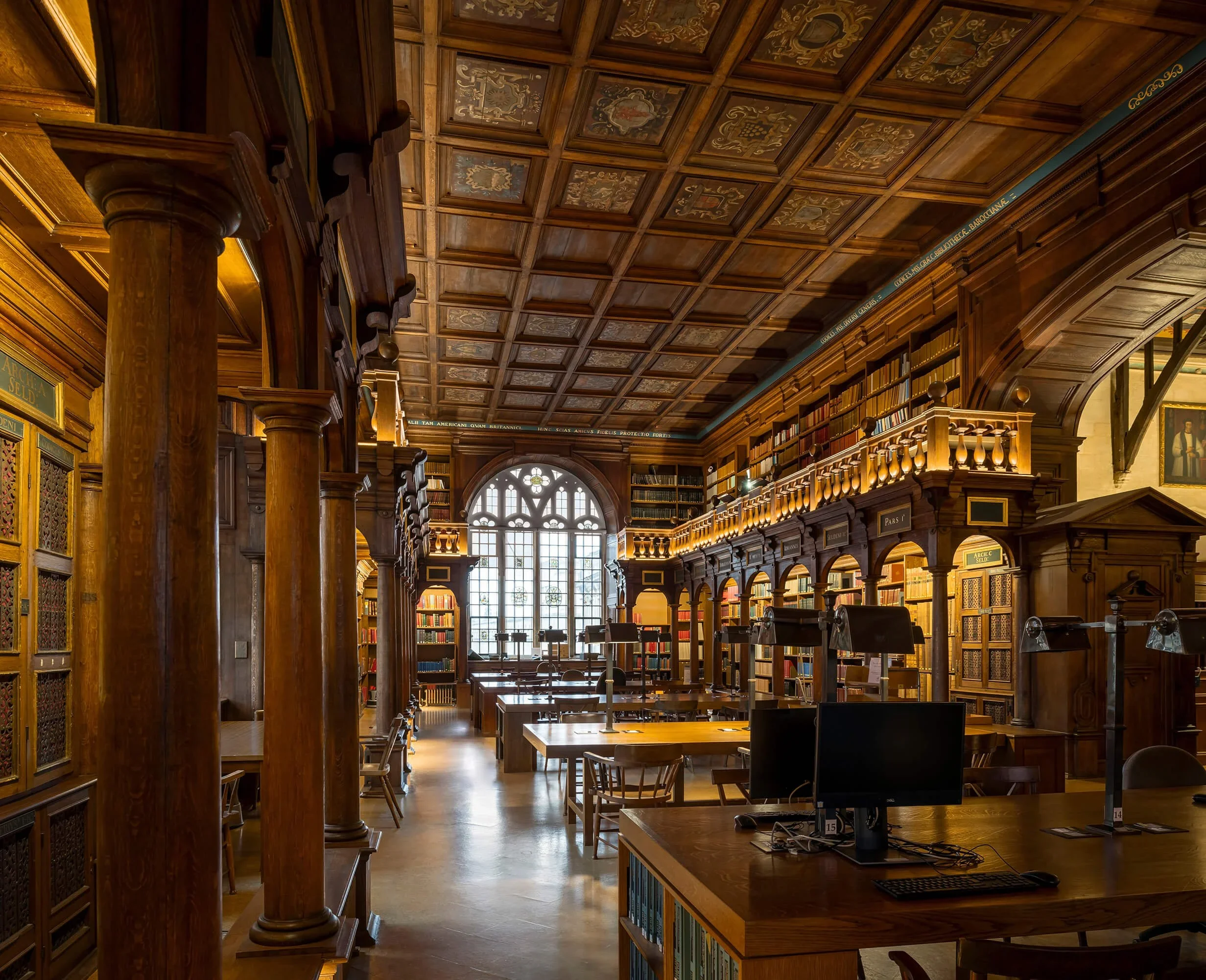
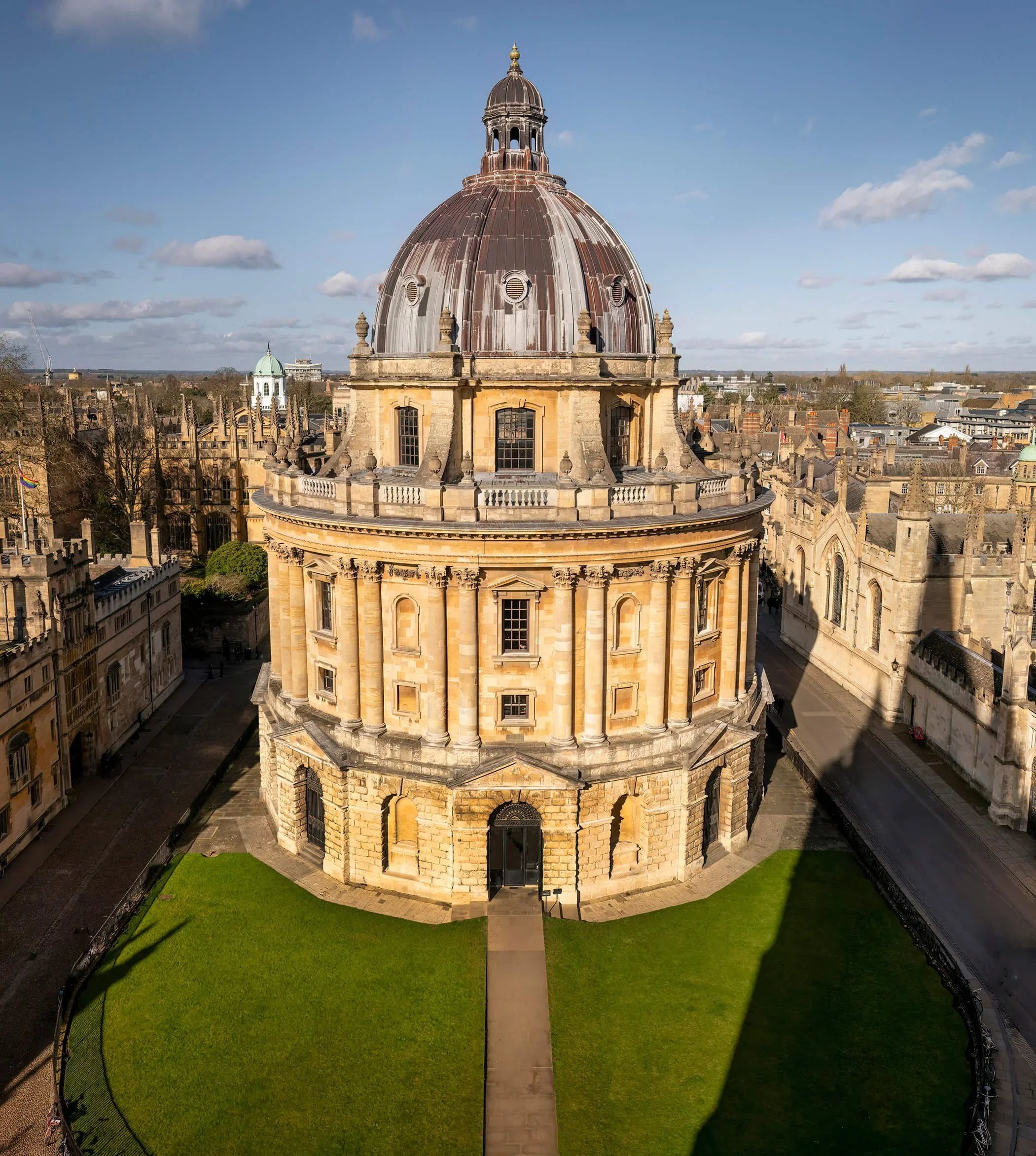
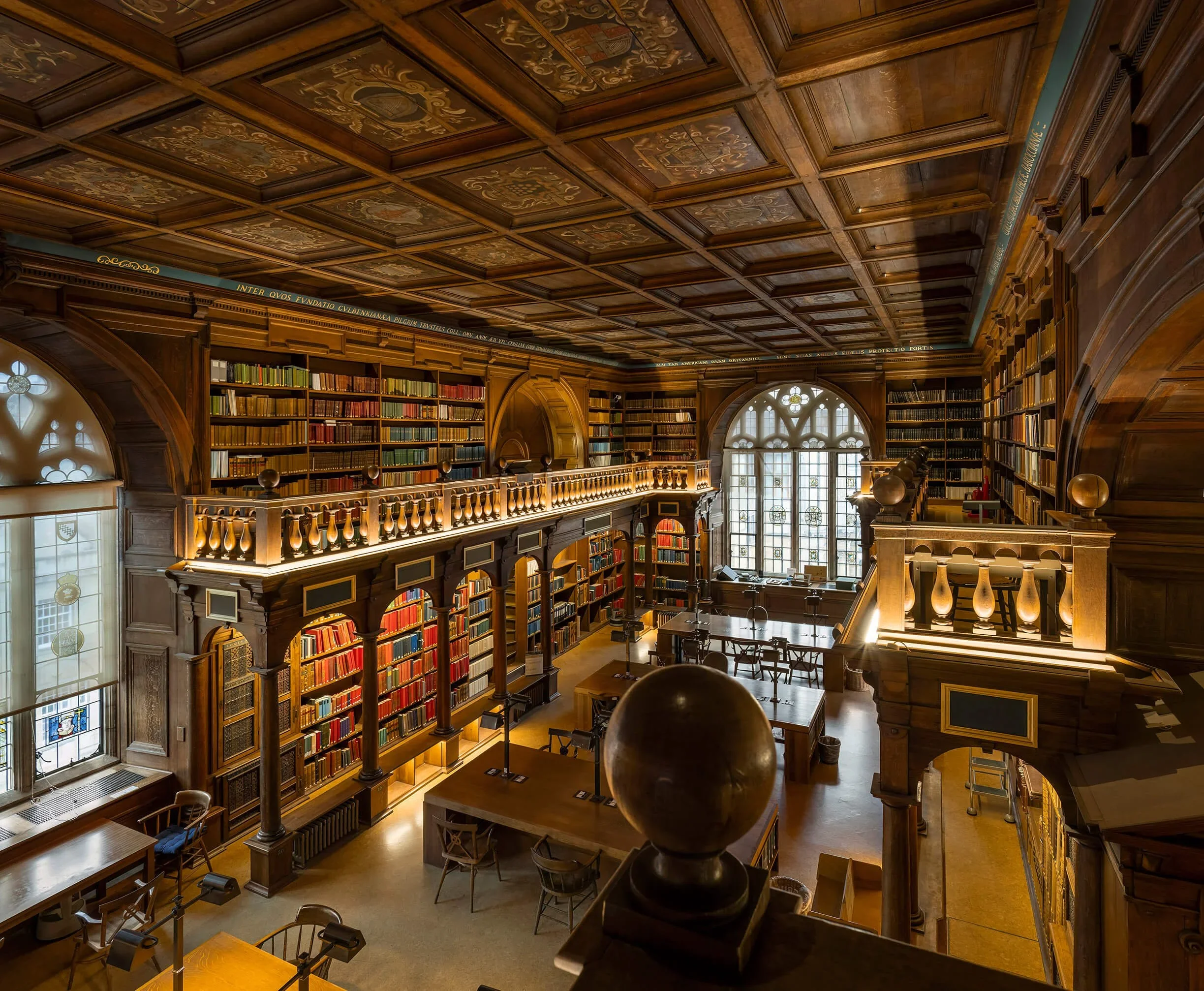
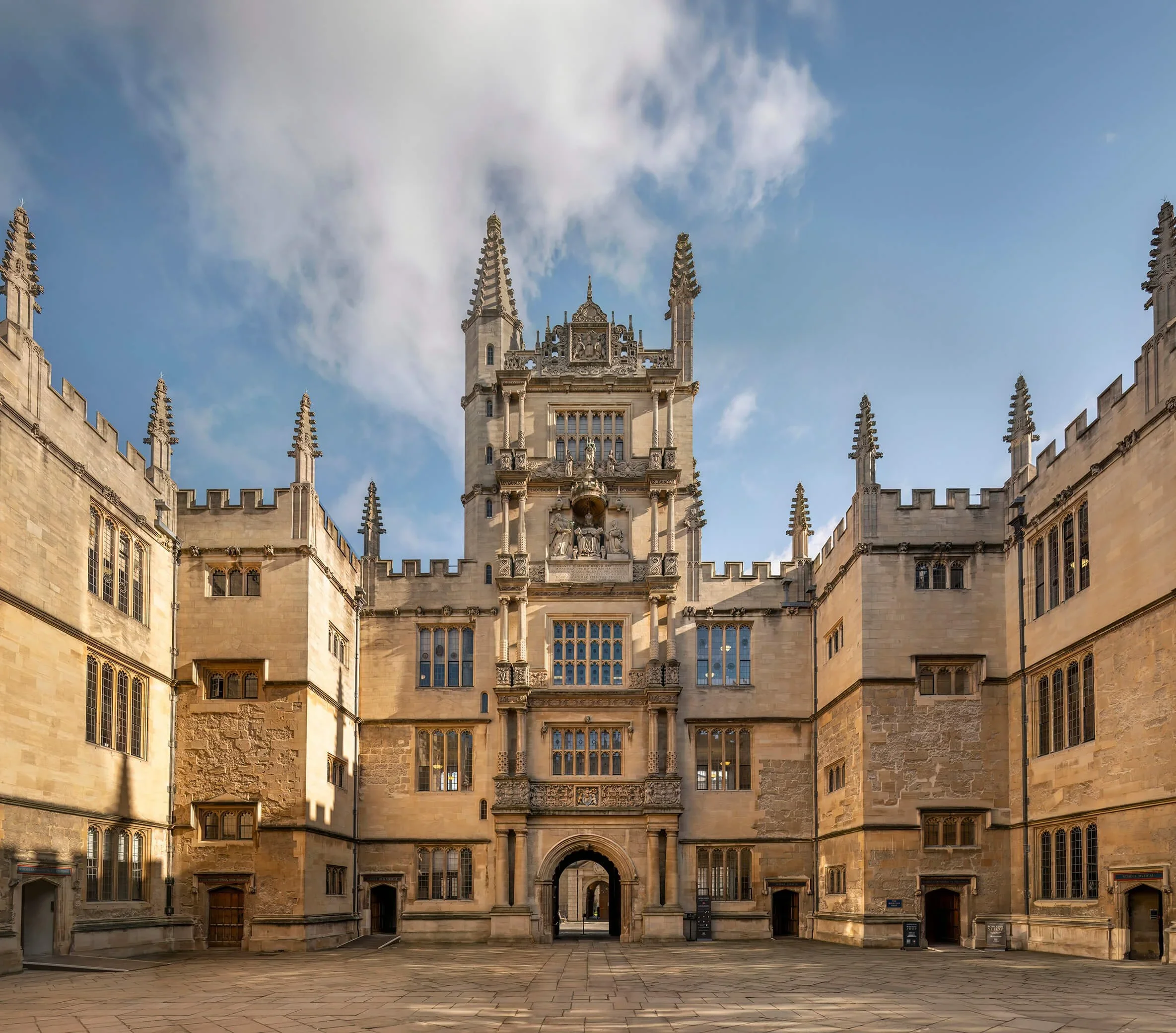
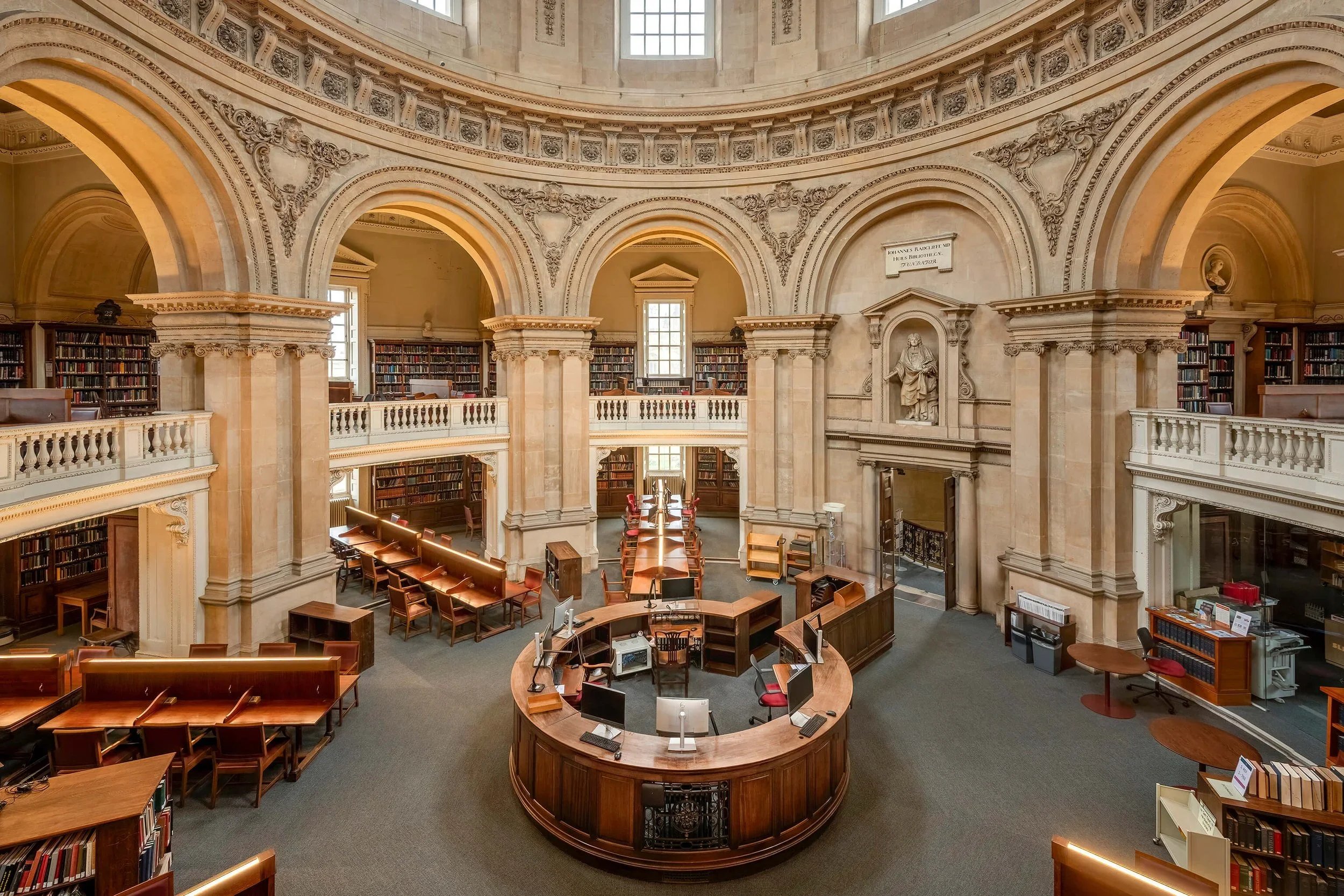
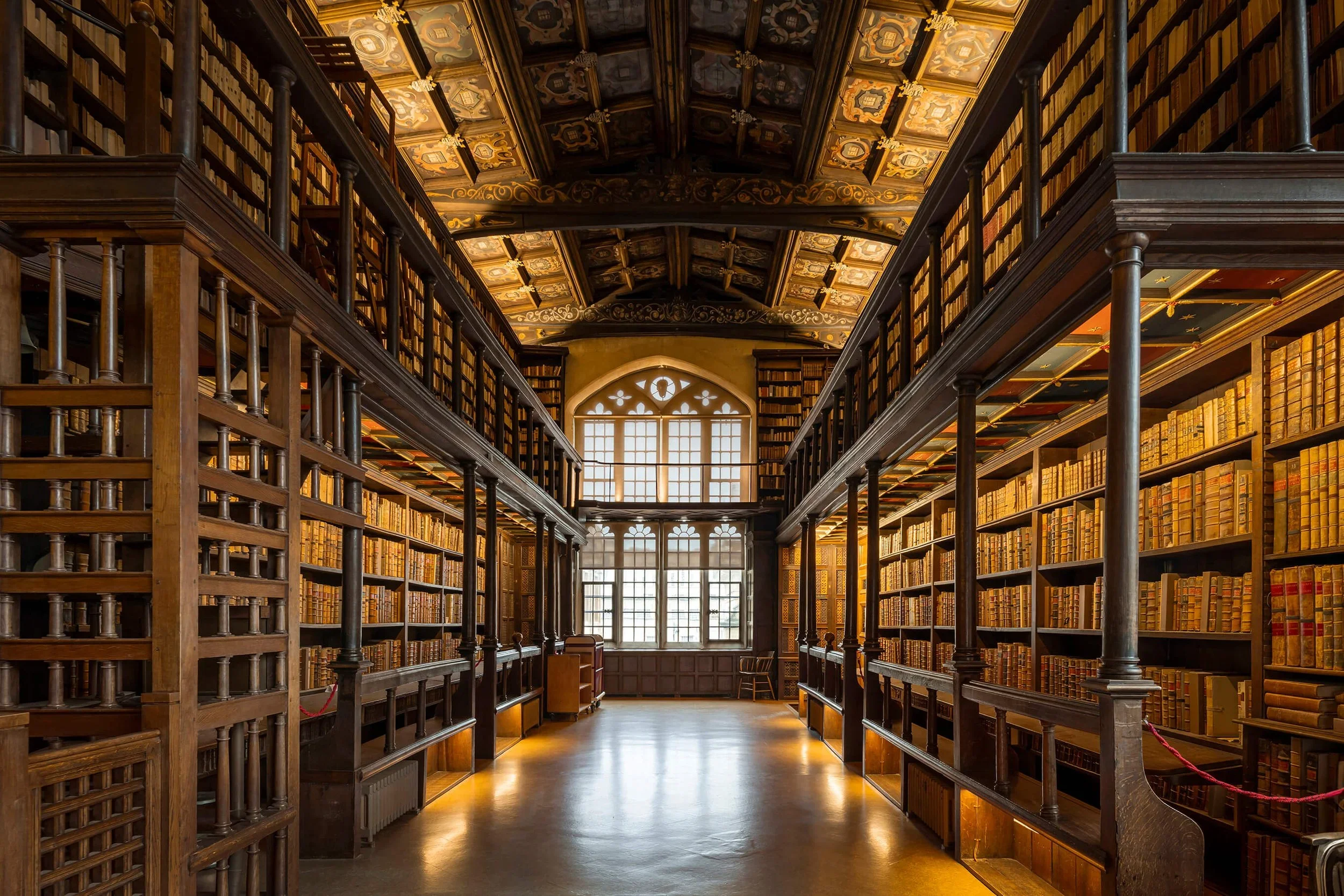
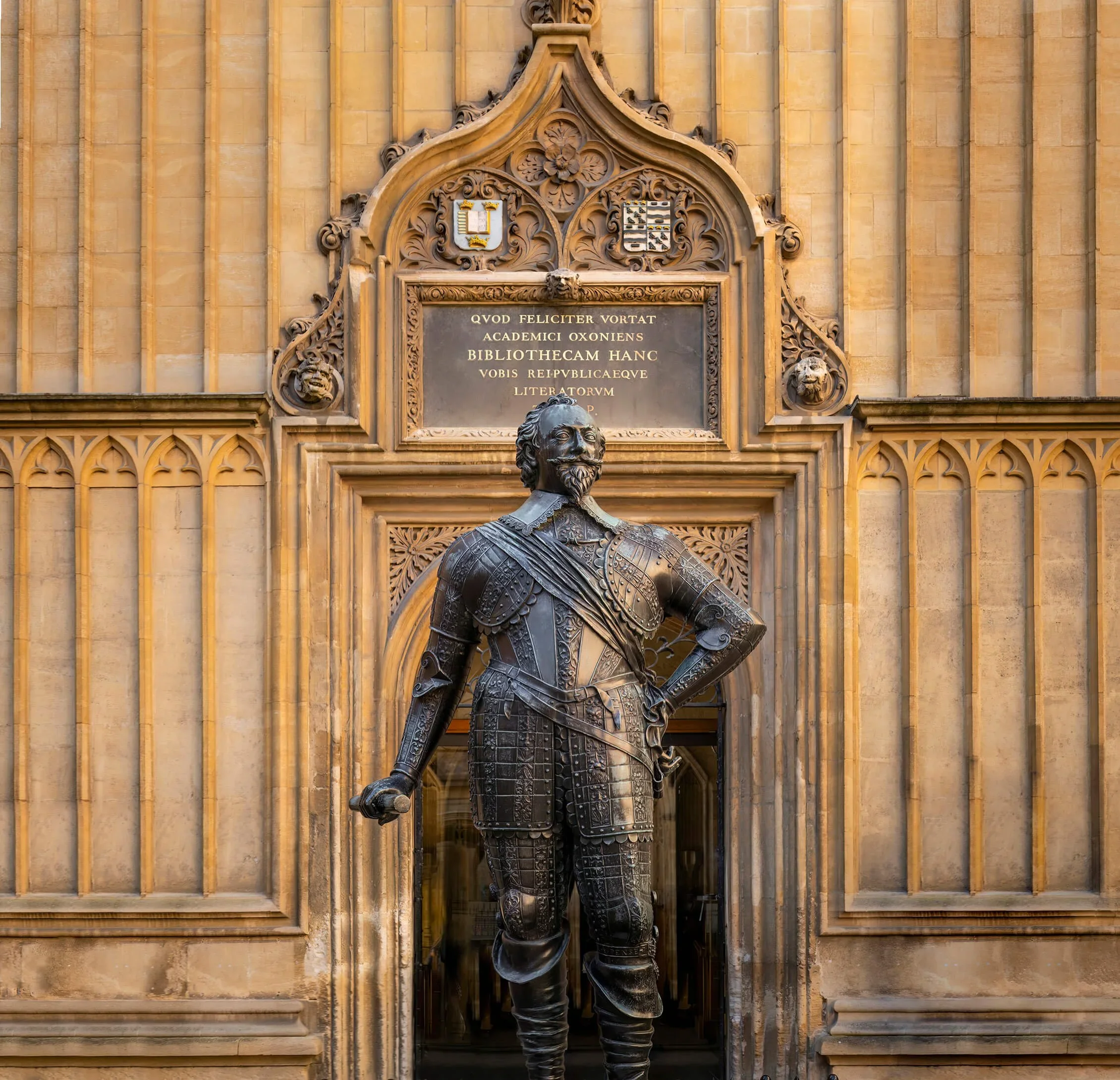
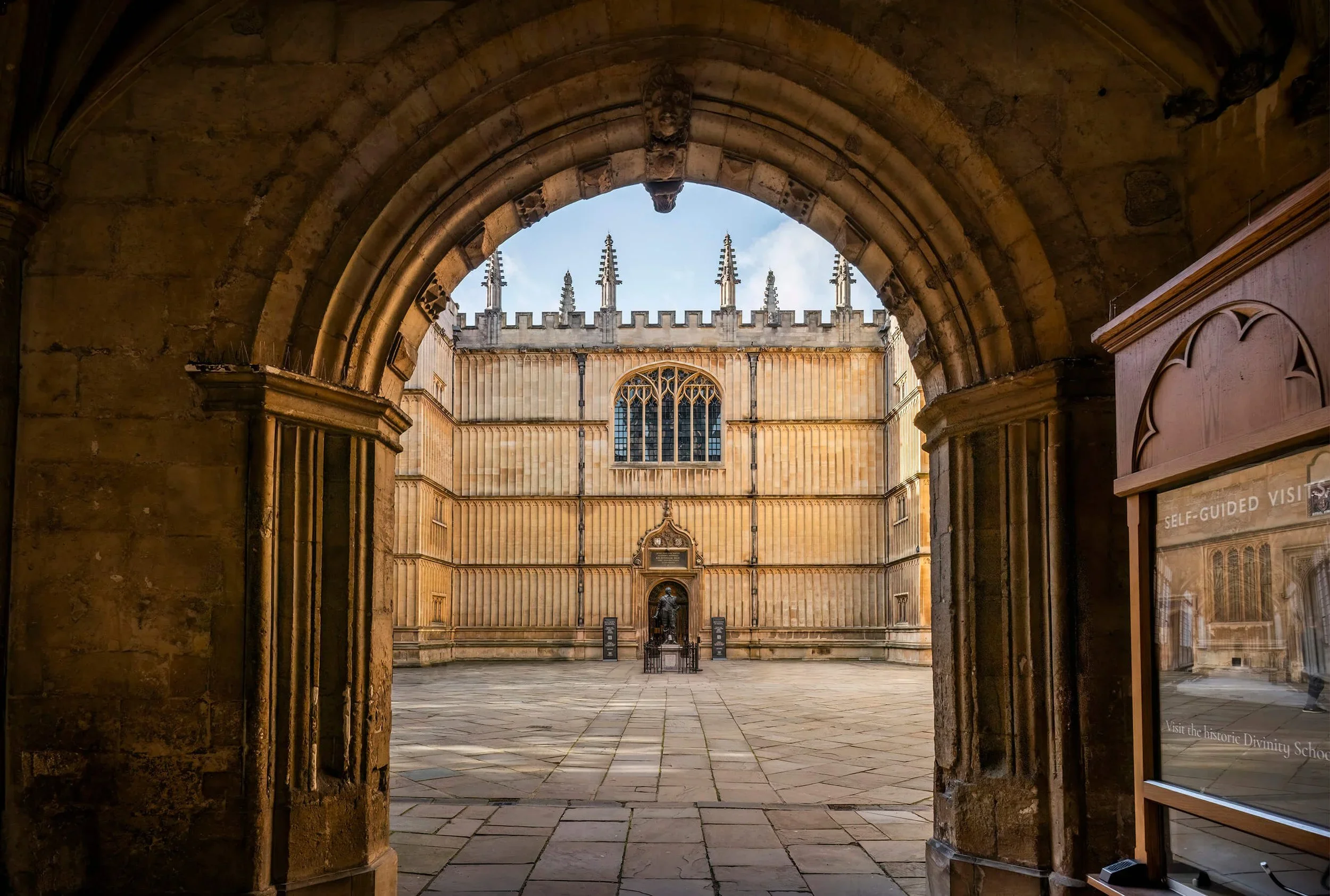
The Bodleian Library is one of the most significant academic libraries in the world and a defining landmark in the historic heart of Oxford. Founded in 1602 by Sir Thomas Bodley, it remains the principal research library of the University of Oxford and is among the oldest libraries in Europe.
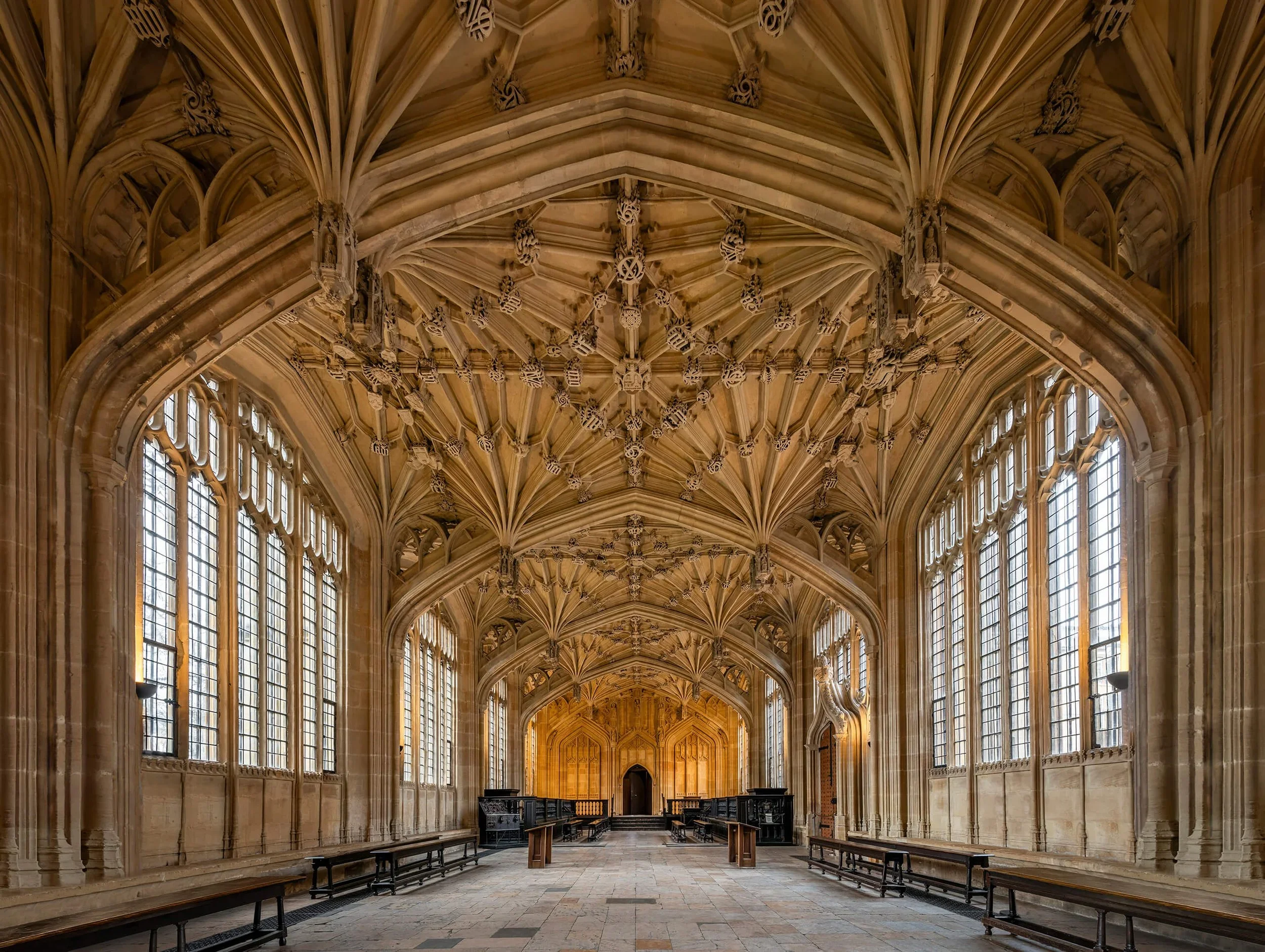
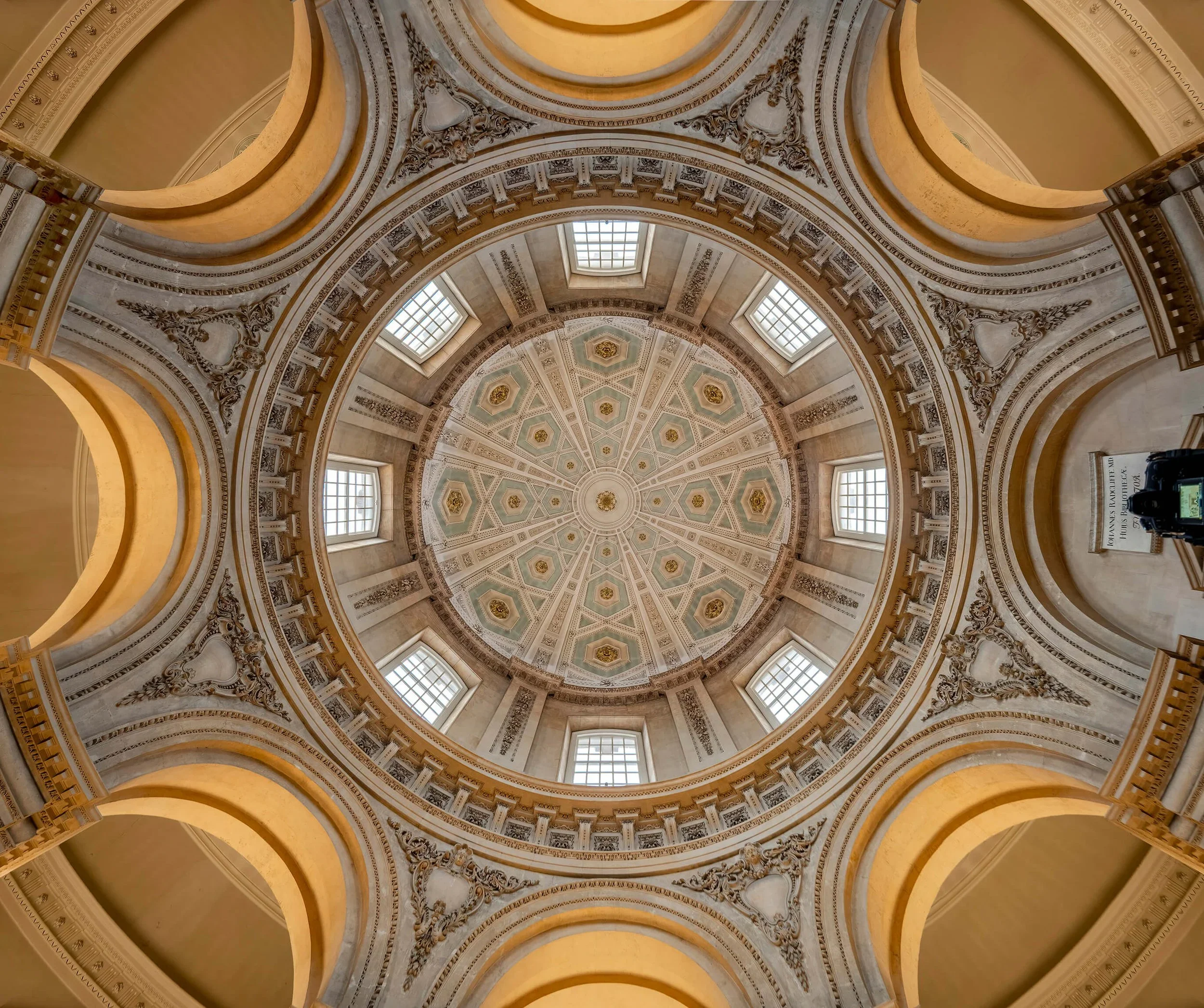
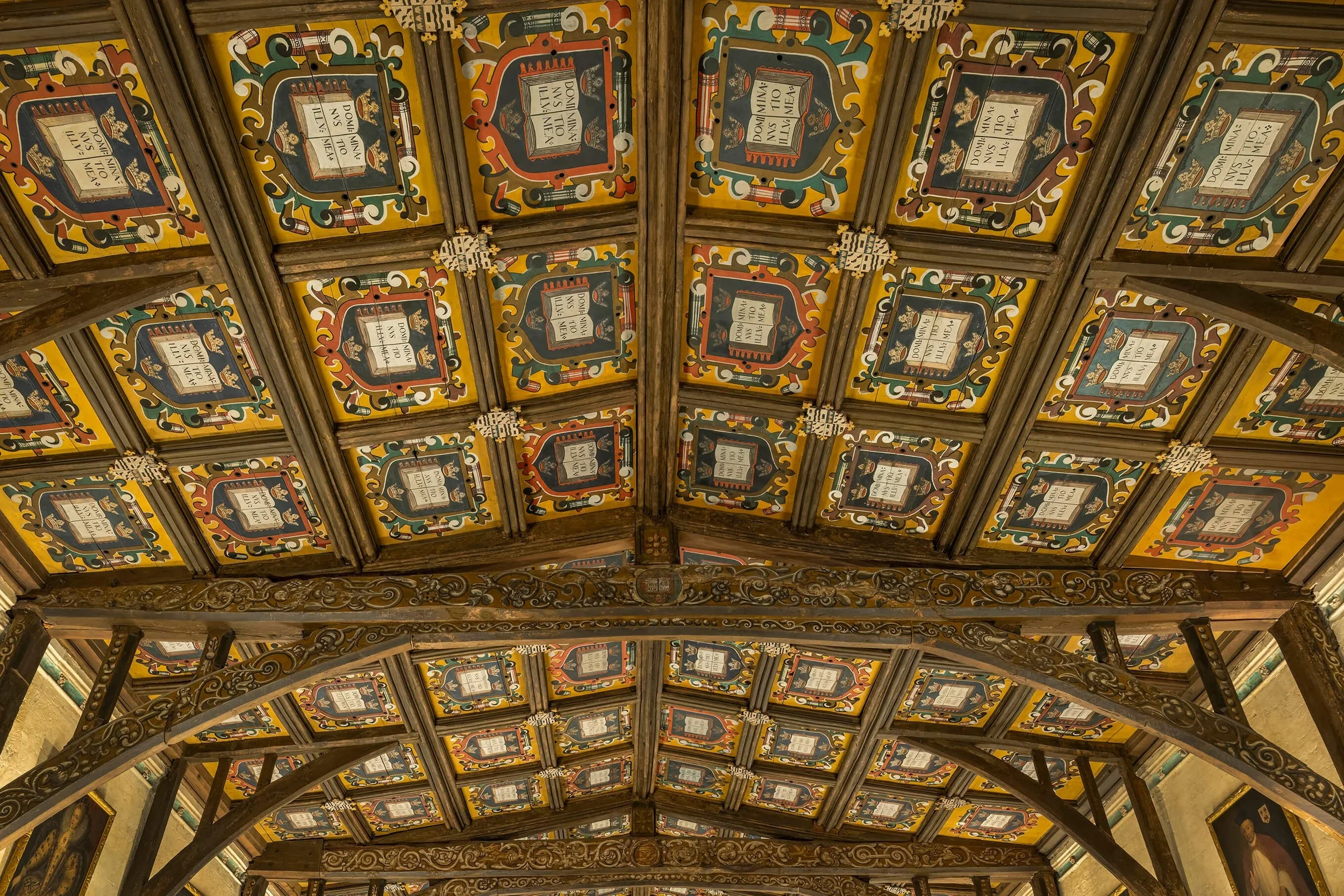
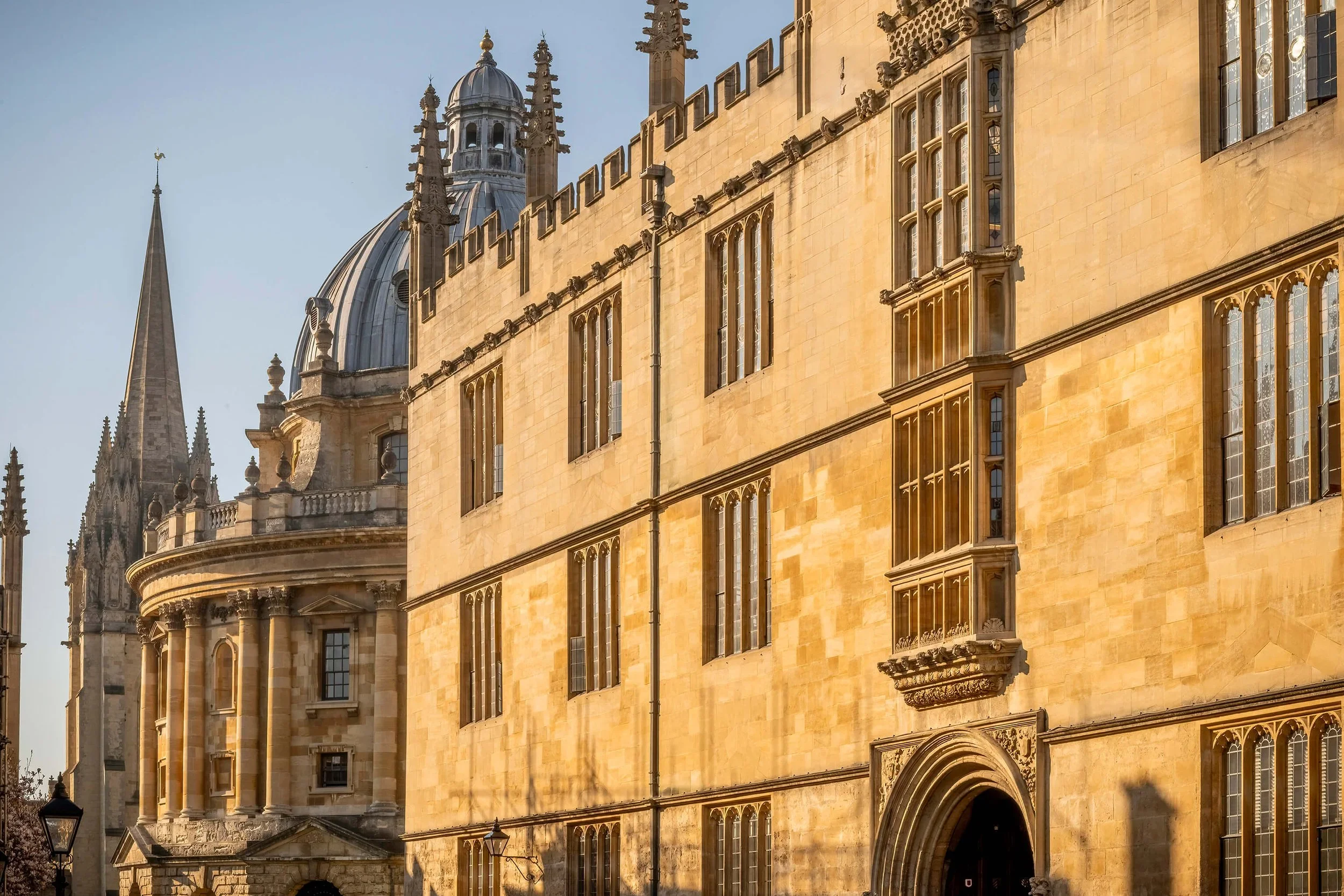
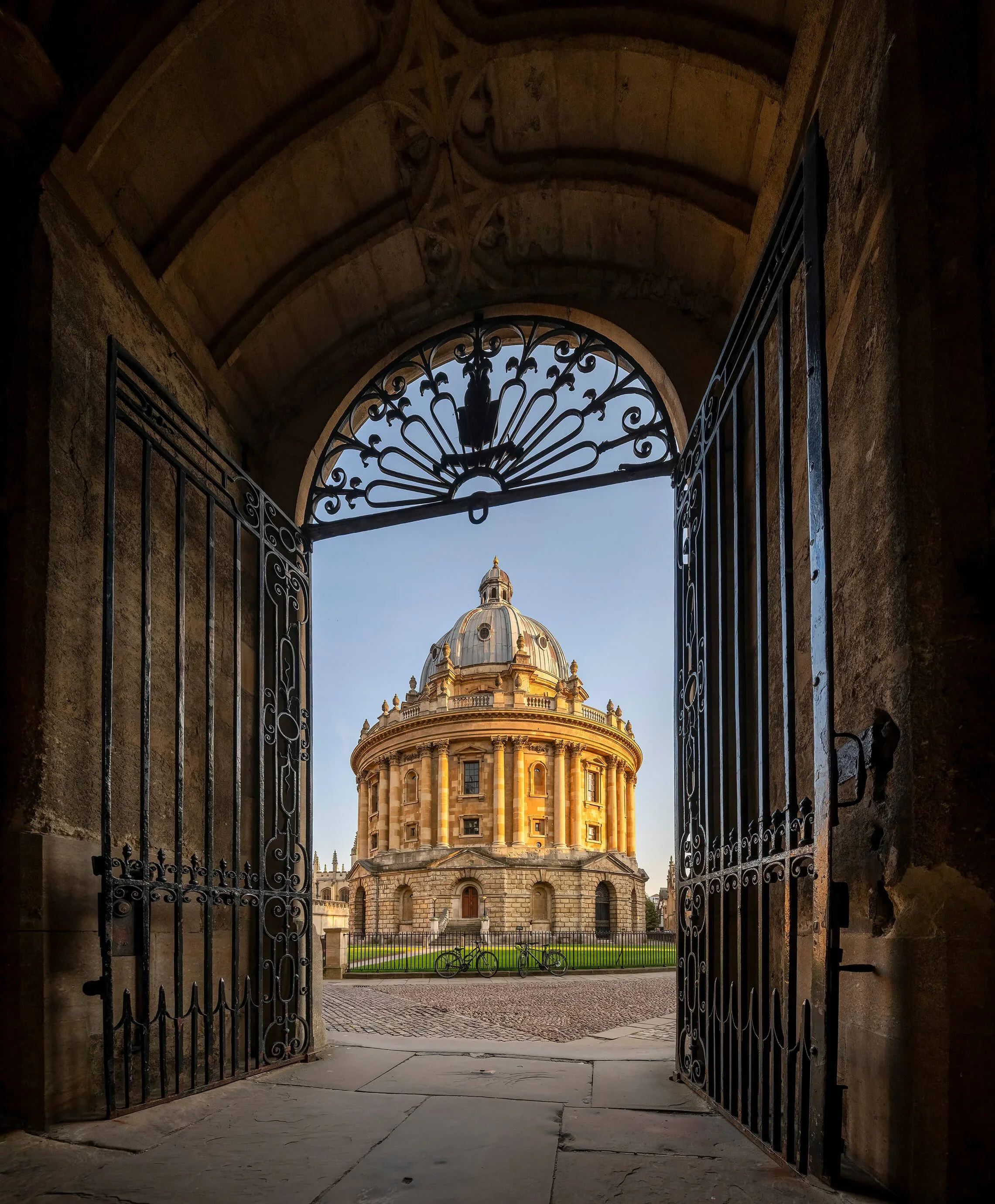
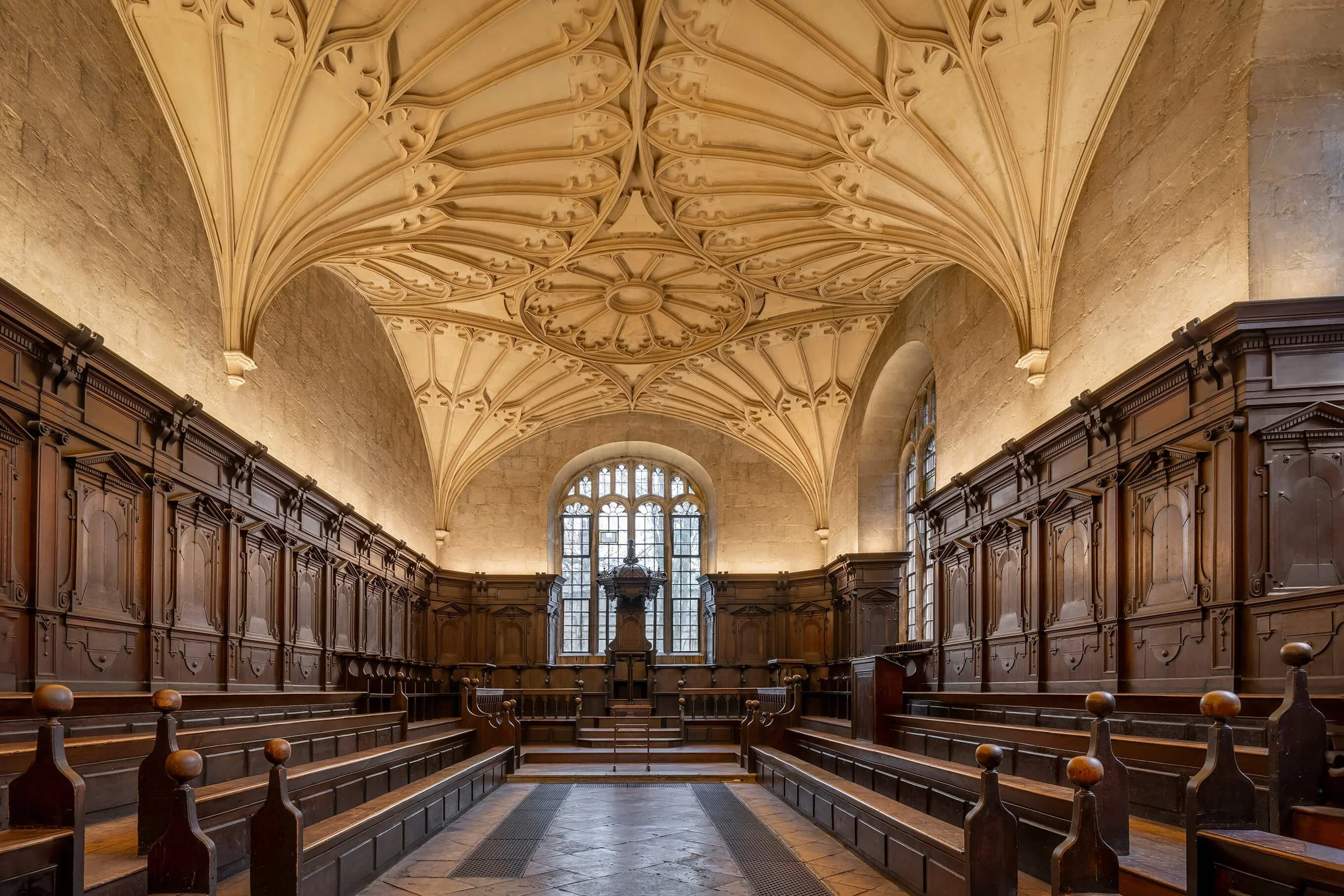
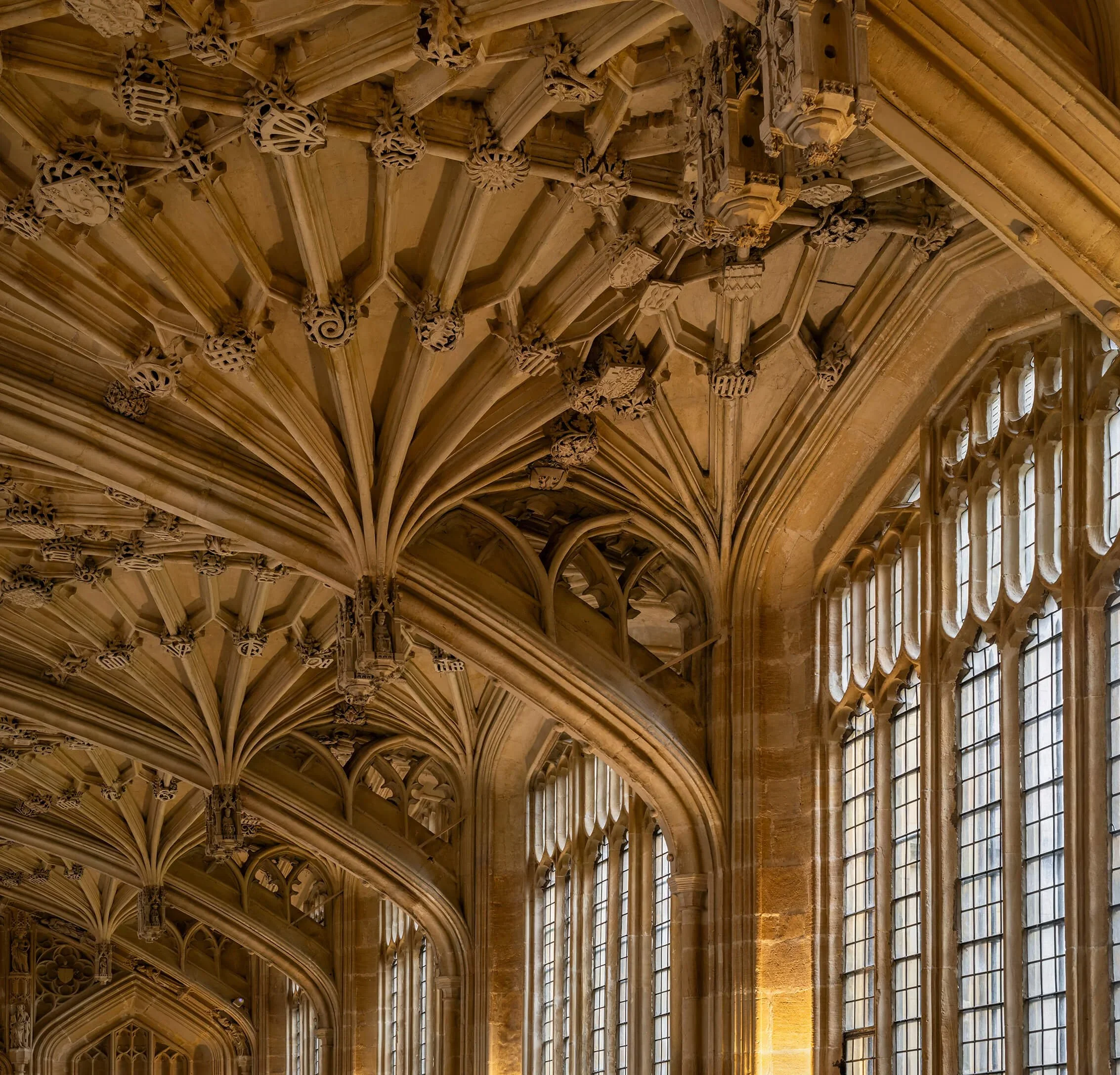
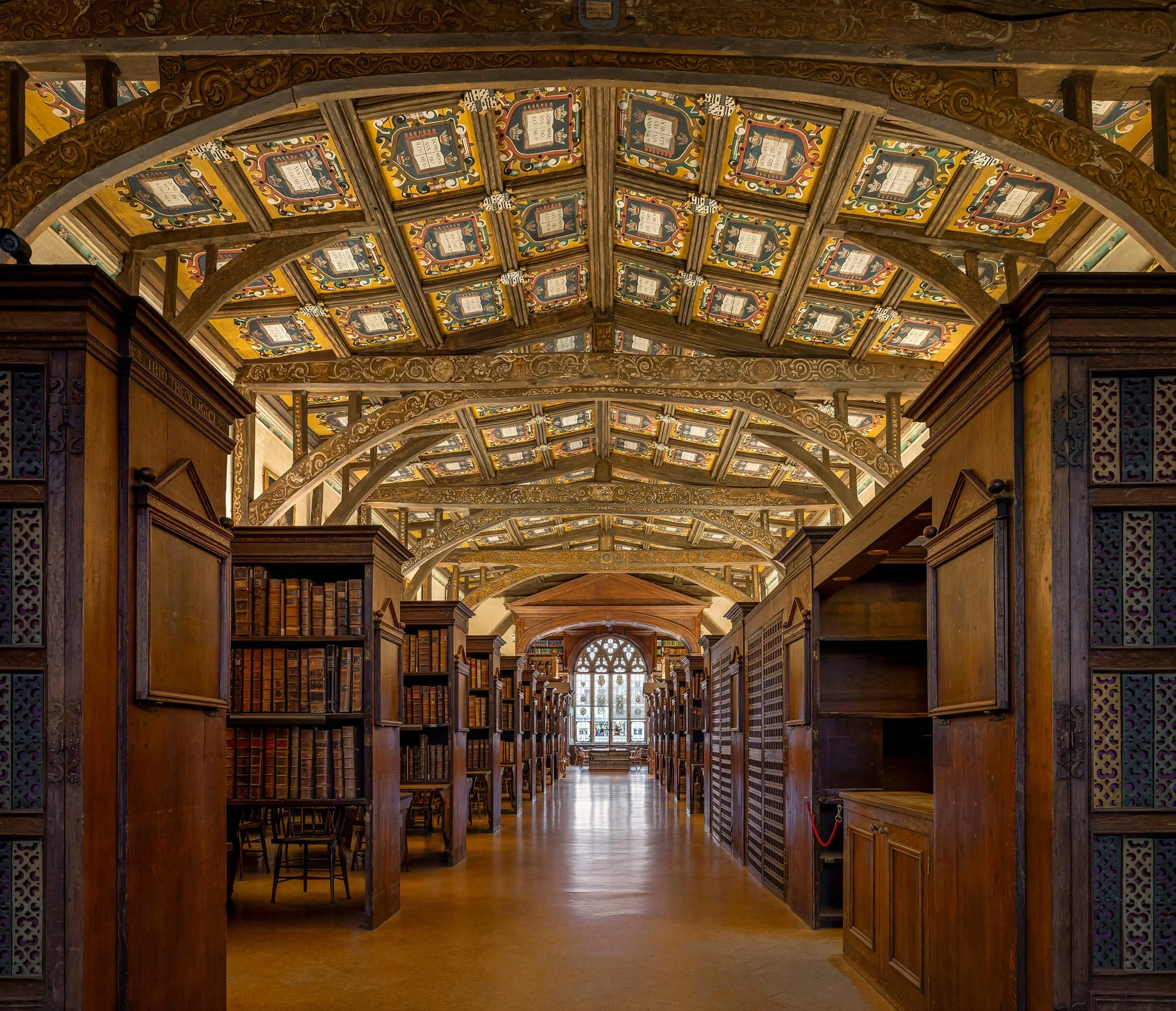
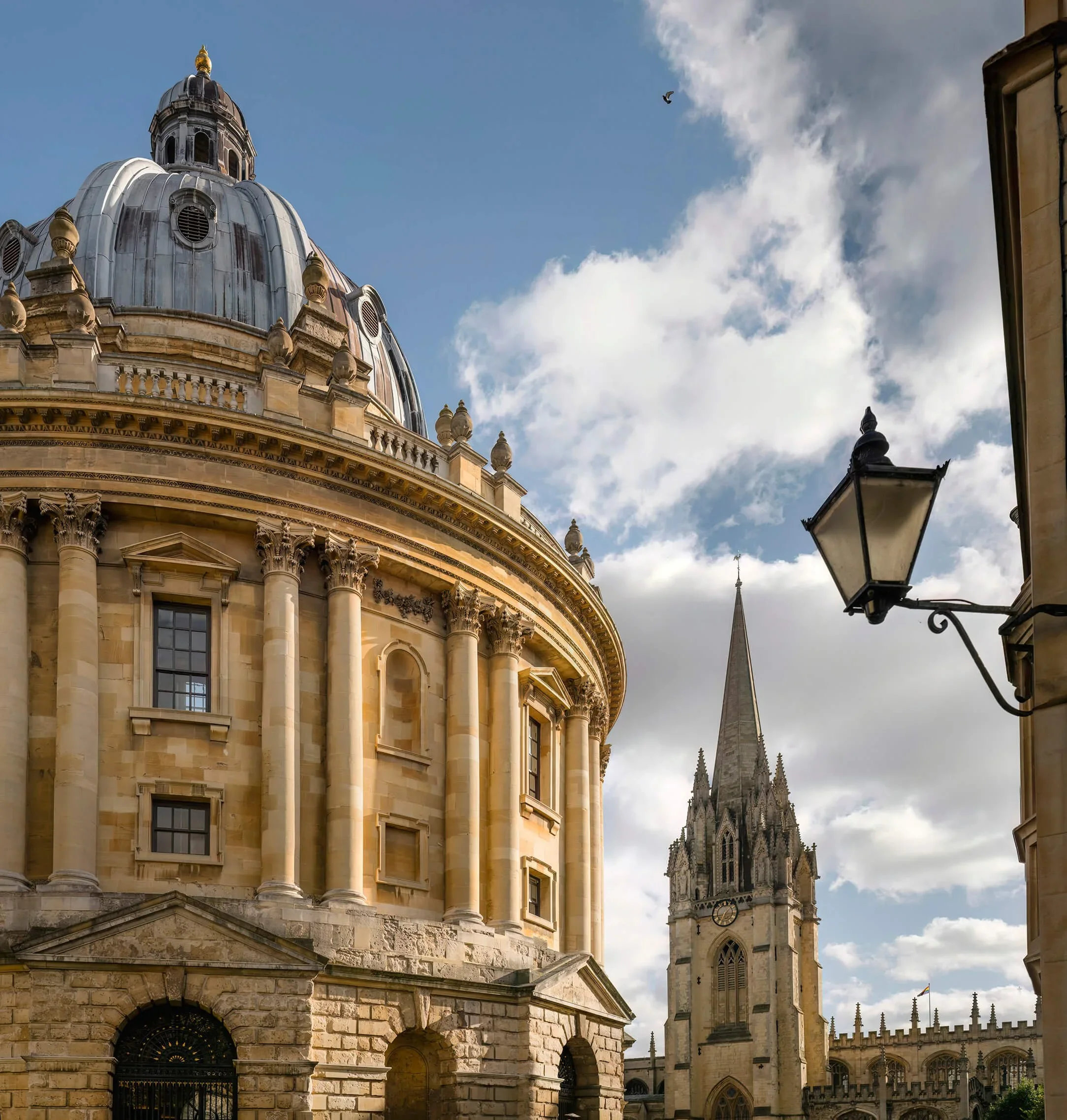
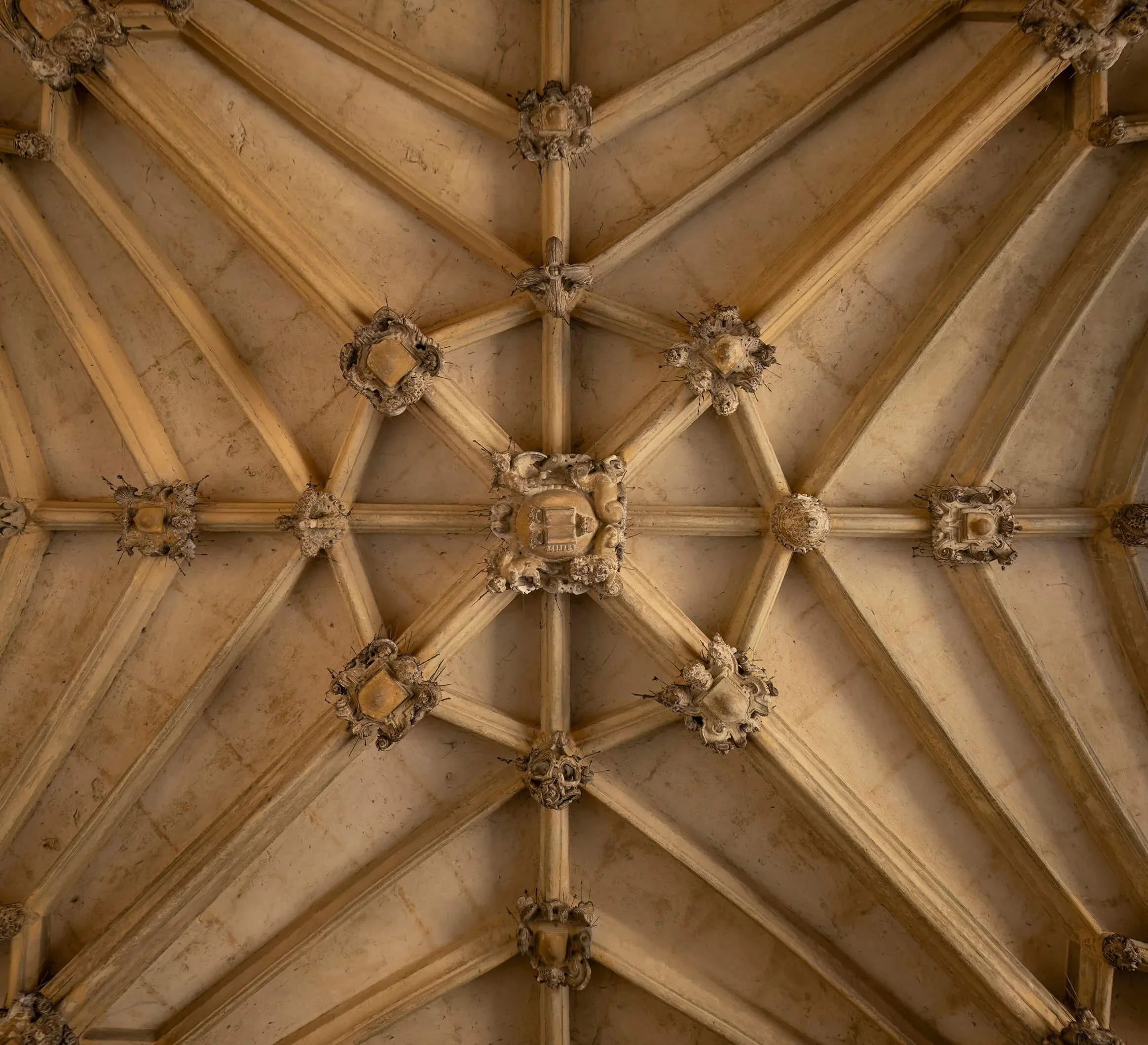
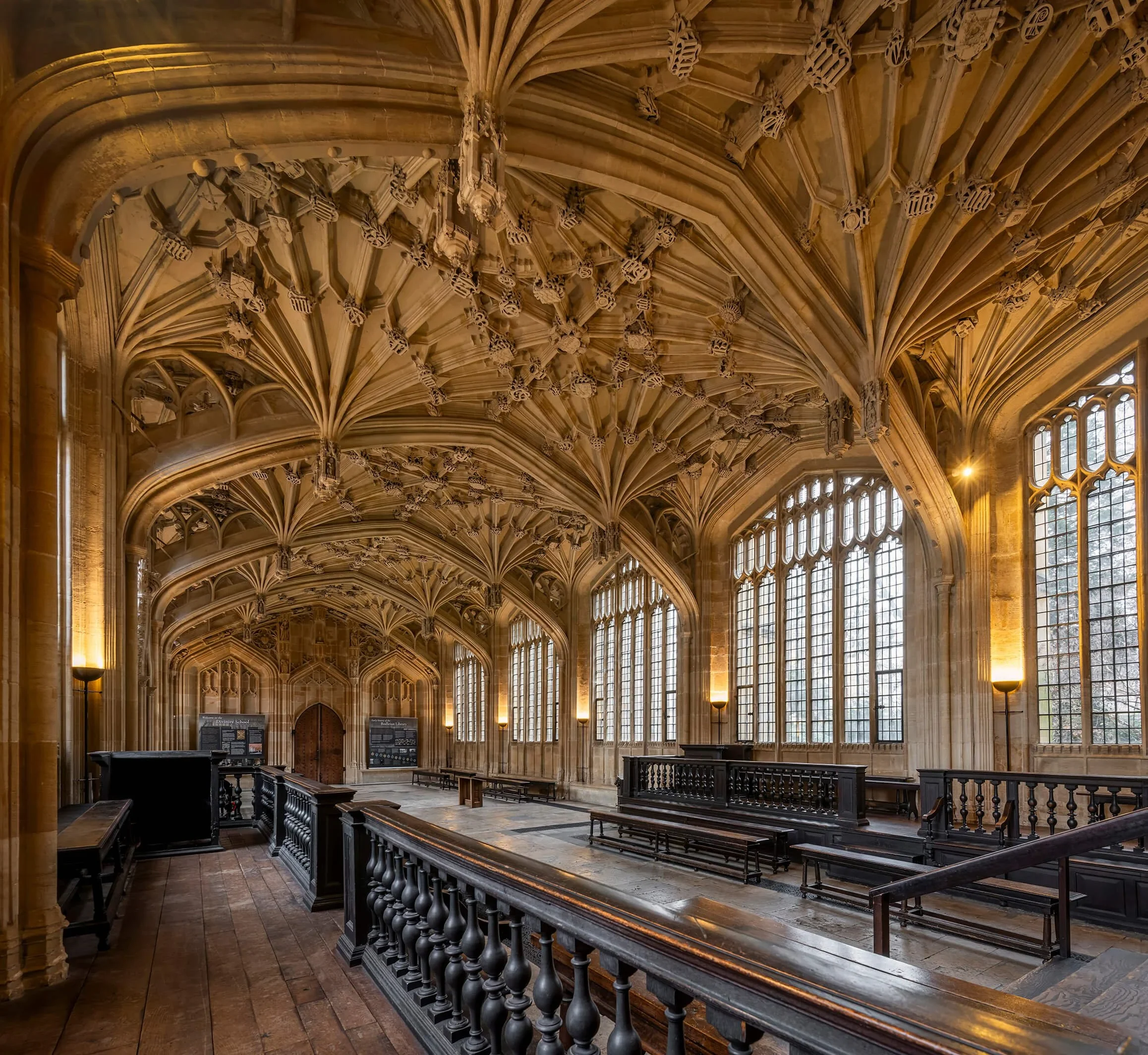
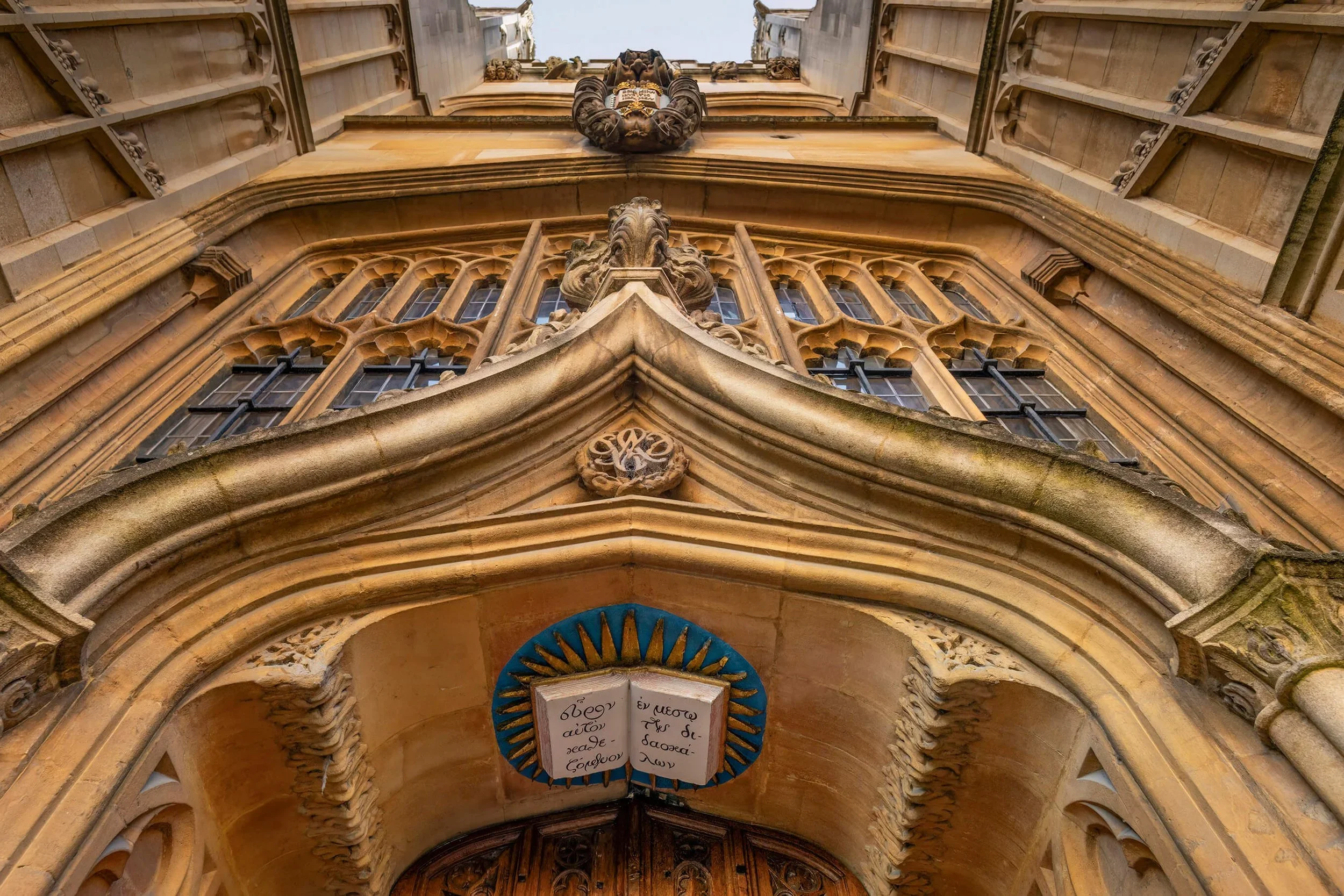
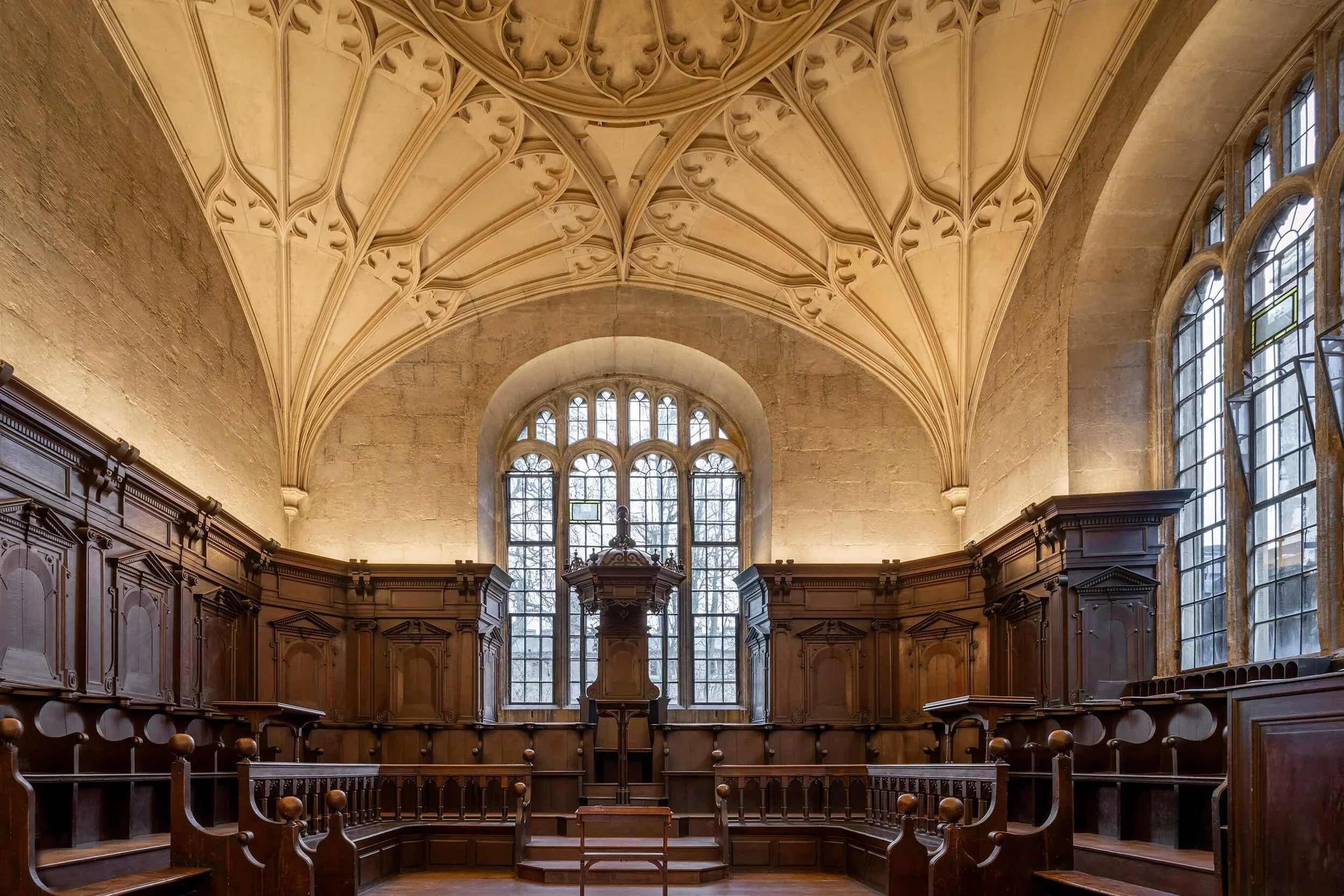
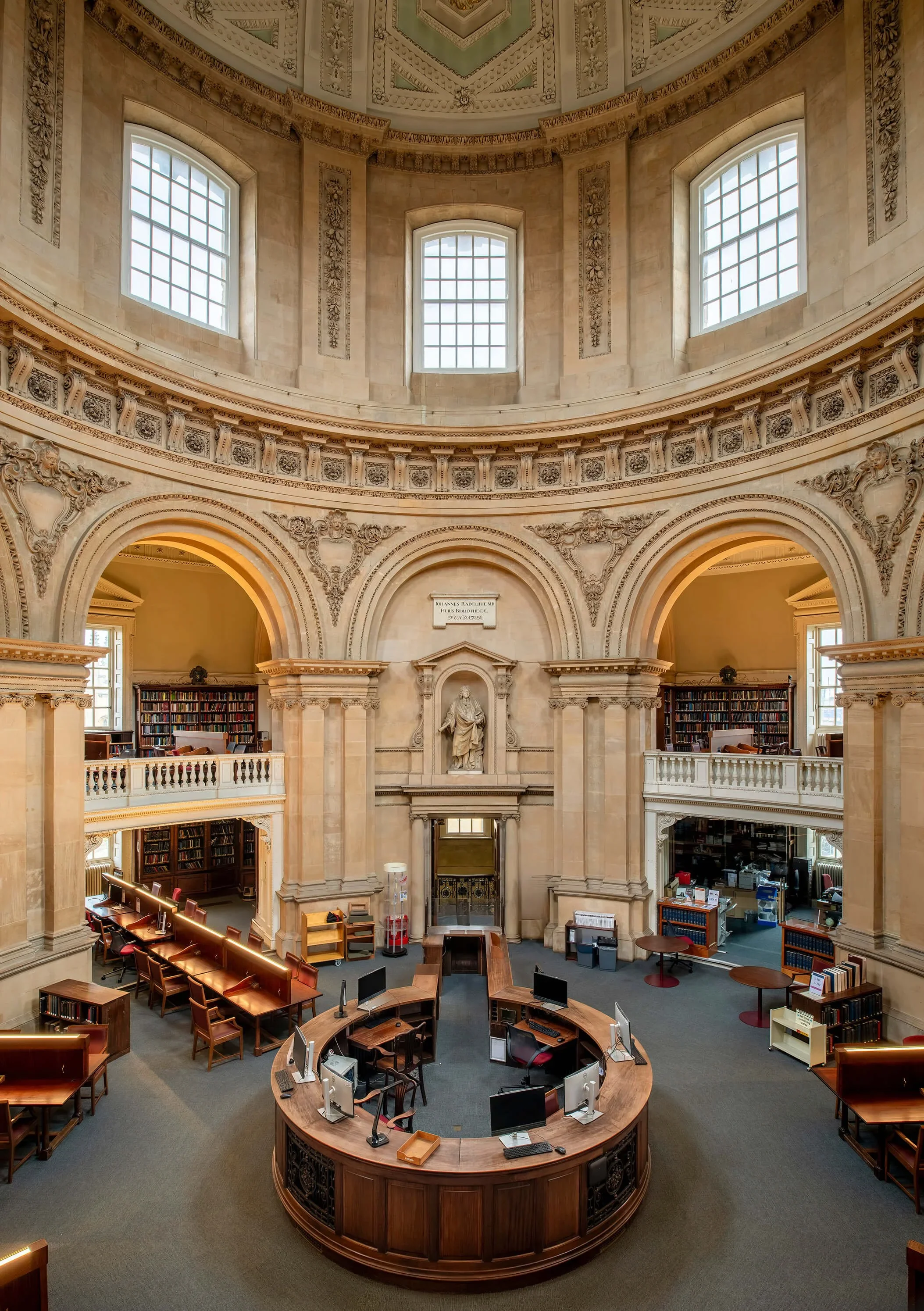
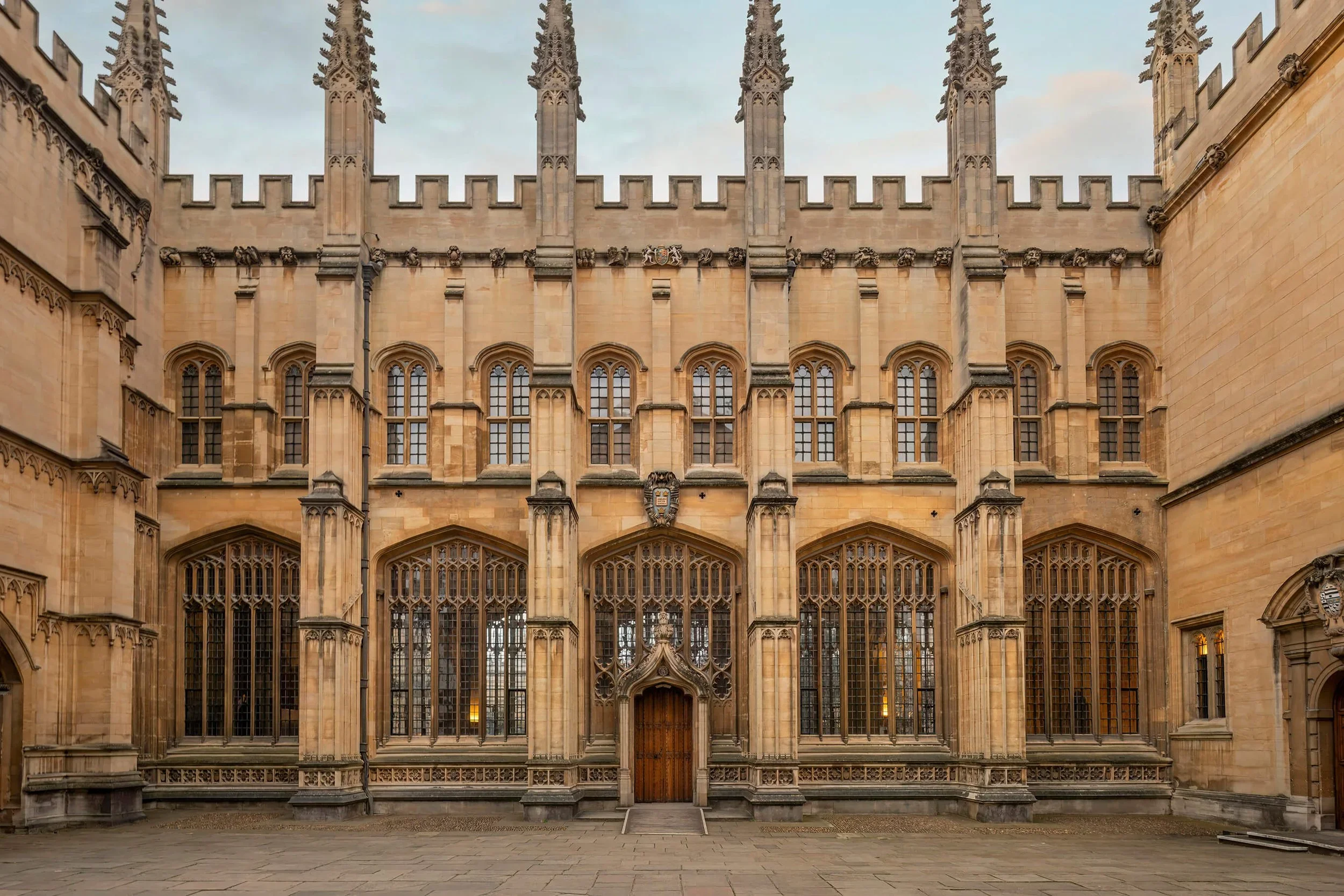
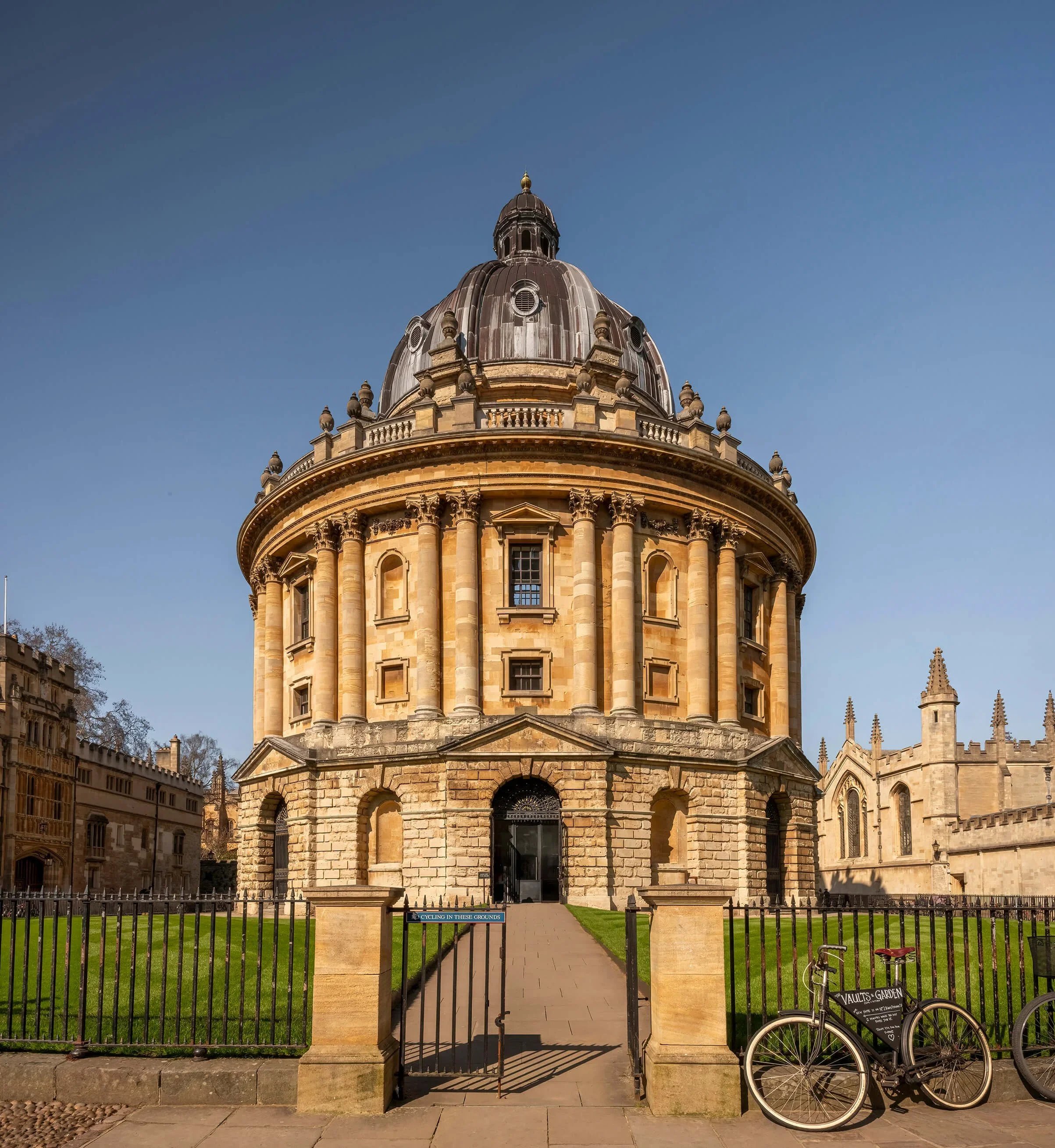
The Bodleian Library is one of the most significant academic libraries in the world and a defining landmark in the historic heart of Oxford. Founded in 1602 by Sir Thomas Bodley, it remains the principal research library of the University of Oxford and is among the oldest libraries in Europe. Today, its collections contain more than 13 million printed items, making it the second-largest library in Britain after the British Library. Beyond its academic importance, the Bodleian is renowned for its extraordinary architecture, ranging from the medieval grandeur of the Divinity School to the iconic circular form of the Radcliffe Camera.
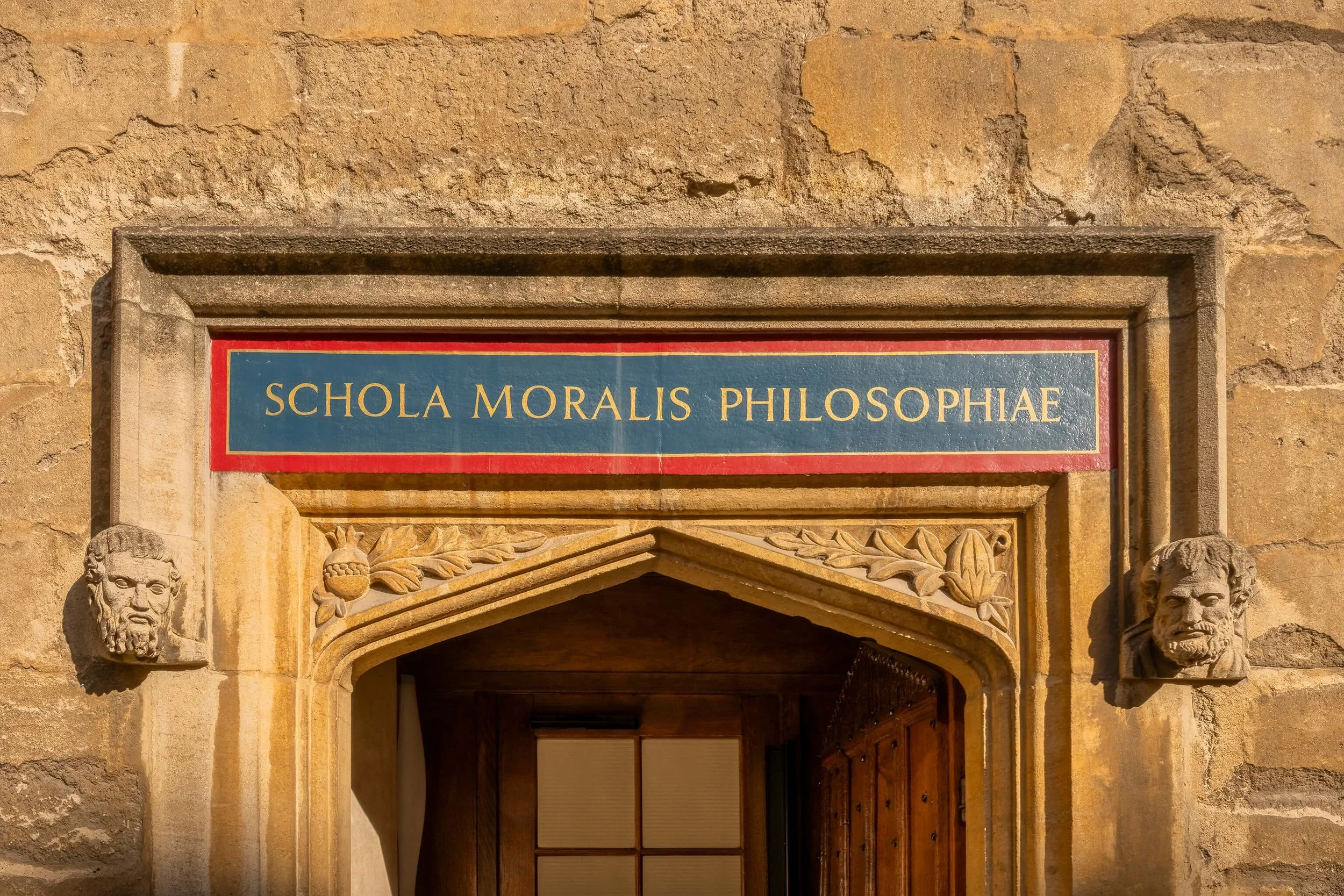
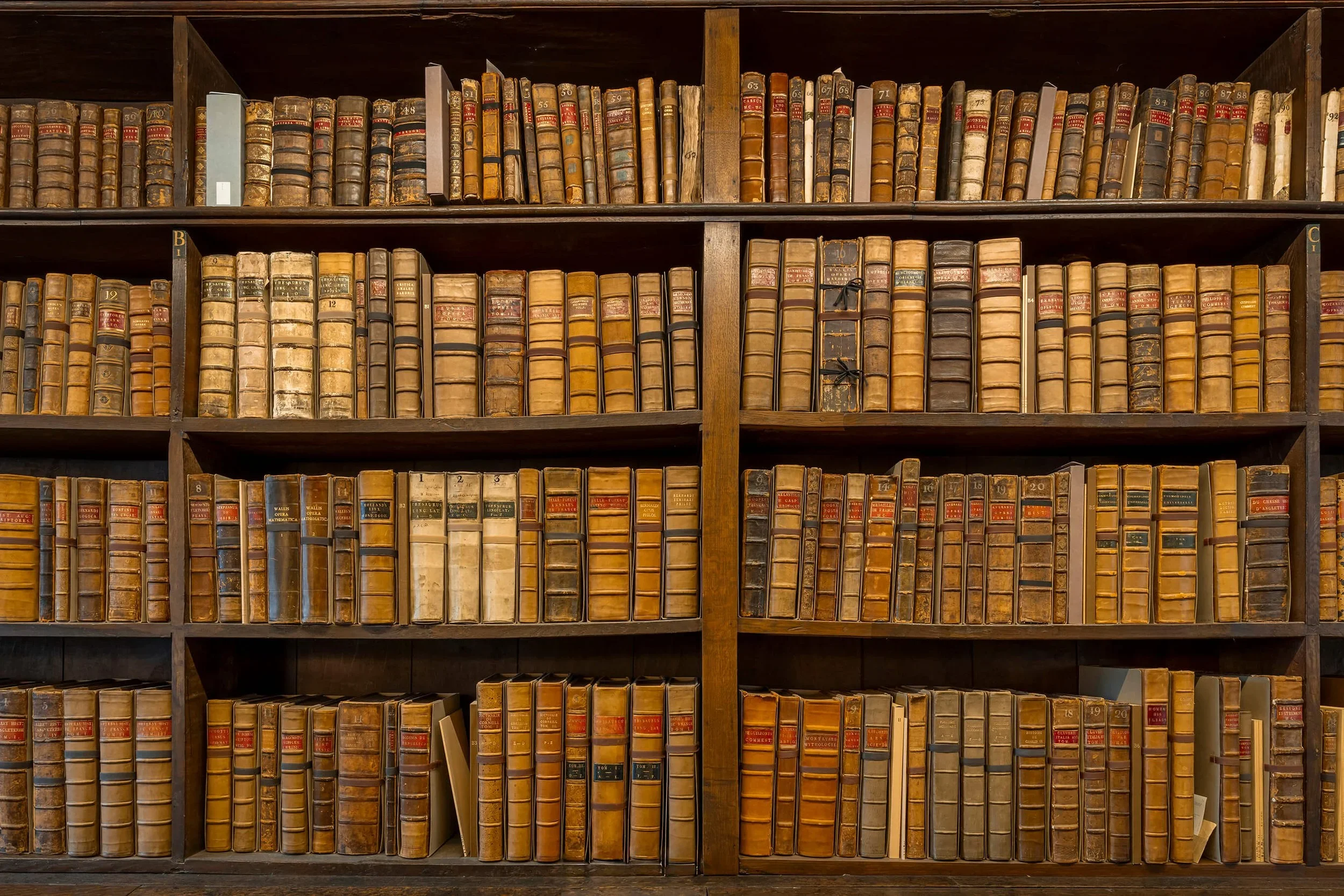
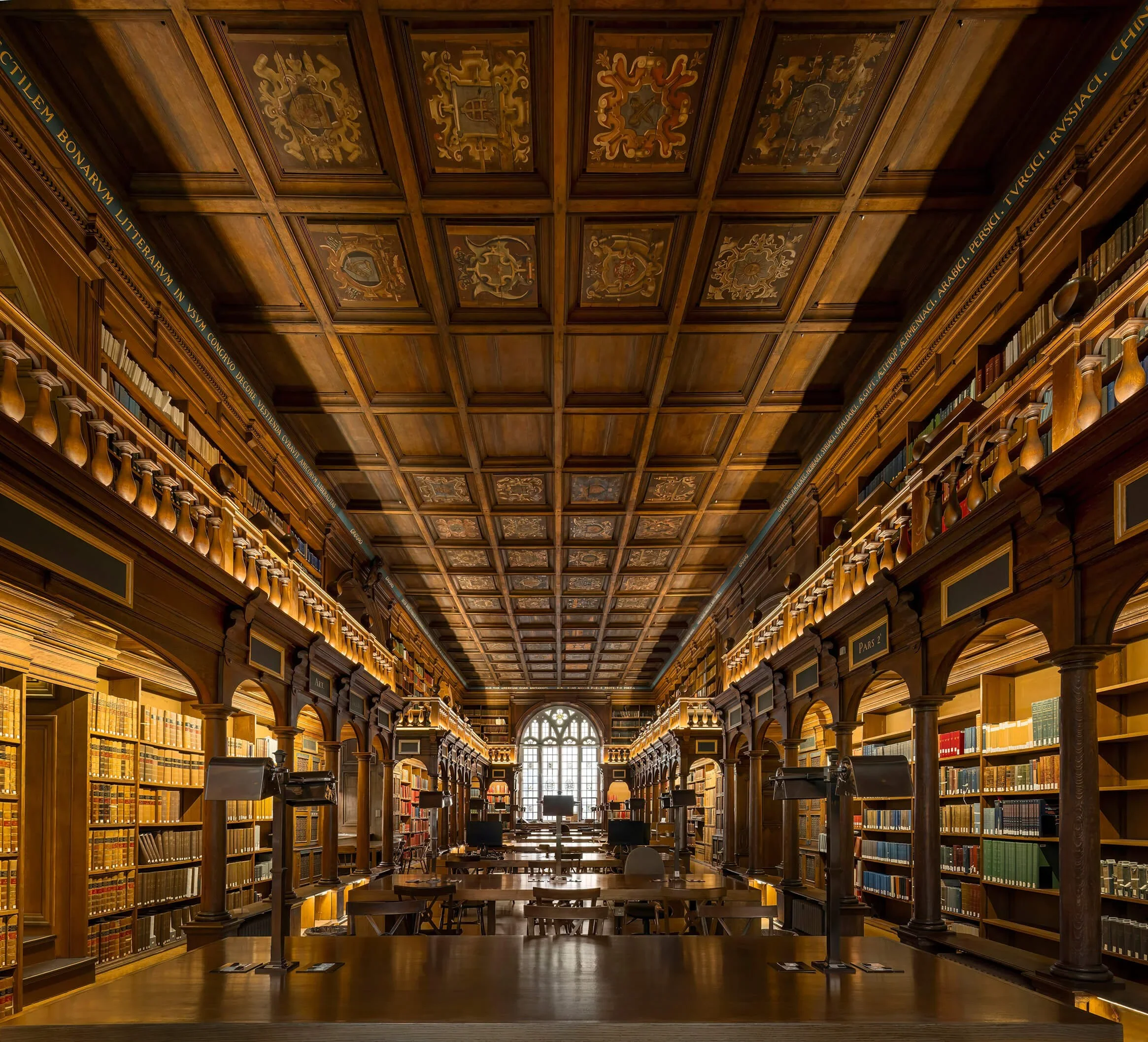
Over the last couple of years, I have been fortunate to photograph several of the Bodleian’s most important spaces, including the interiors of the Old Library, the Divinity School and the Radcliffe Camera, alongside exterior imagery of these remarkable buildings. Photographing within such historic interiors requires a careful and respectful approach, preserving the atmosphere and character of each space while capturing the craftsmanship, light and architectural detail that make them so unique. Few locations in Britain combine scholarship, history and architecture in quite the same way as the Bodleian, and it has been a privilege to document these extraordinary buildings through photography.

Photographing the Houses of Parliament.
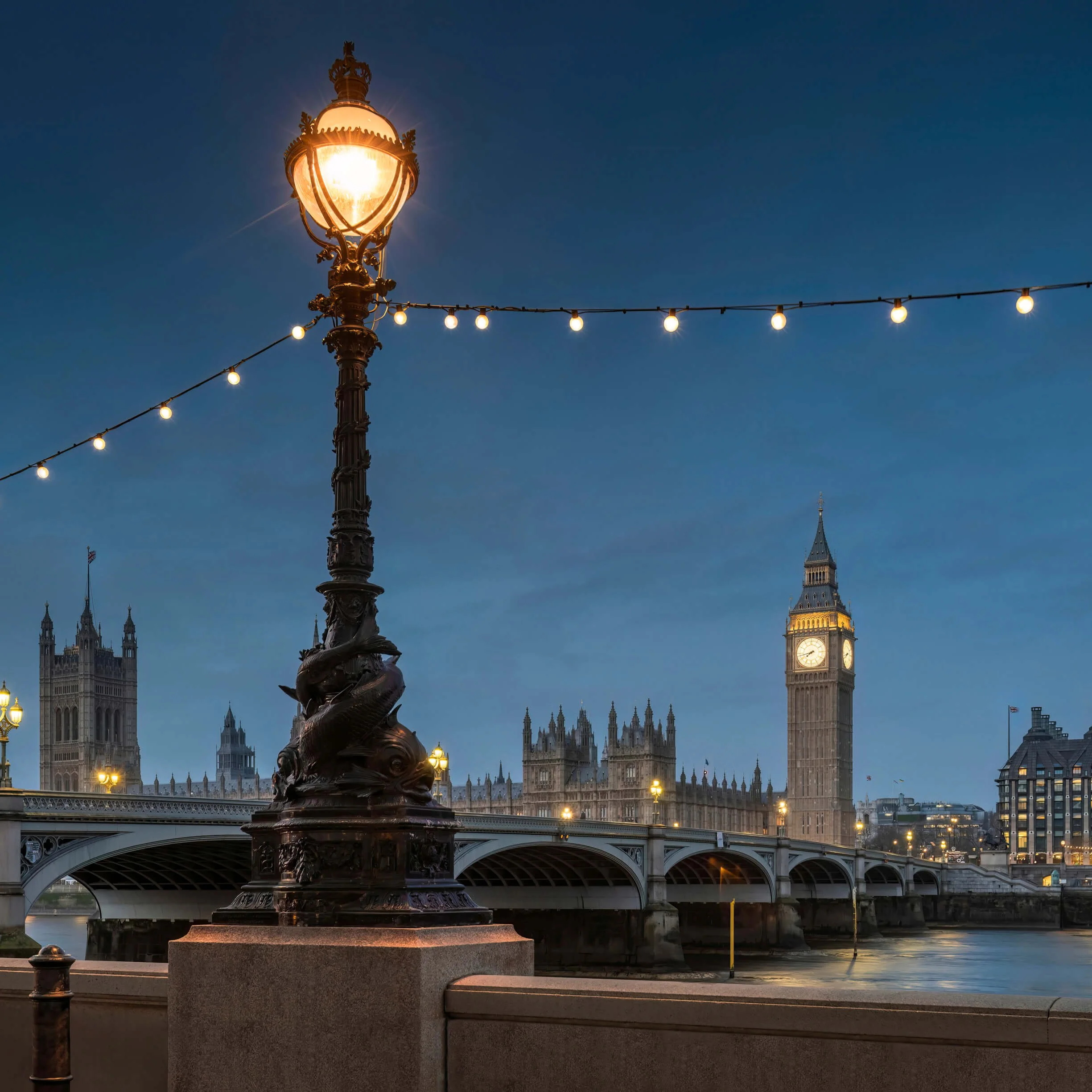
One of the highlights of 2024 was being commissioned to create official images for the Houses of Parliament, also known as the Palace of Westminster. It was a fantastic opportunity to photograph one of Britain’s most beautiful and iconic buildings.
One of the highlights of 2024 was being commissioned to create official images for the Houses of Parliament, also known as the Palace of Westminster. It was a fantastic opportunity to photograph one of Britain’s most beautiful and iconic buildings.
I spent two days capturing the stunning Victorian Gothic Revival interiors and exterior, with incredible access to both the Commons and Lords Chambers, as well as rooms, corridors, and halls that only a select few ever get to see.
The central feature of Parliament is the magnificent Central Lobby, a circular space adorned with intricate stone carvings, stained glass windows, and a stunning gilded ceiling. This area serves as the heart of the parliamentary complex, connecting the House of Commons, the House of Lords, and various committee rooms. The design is steeped in symbolism, featuring elements that represent the union of the nations of the UK and the power of democracy itself.
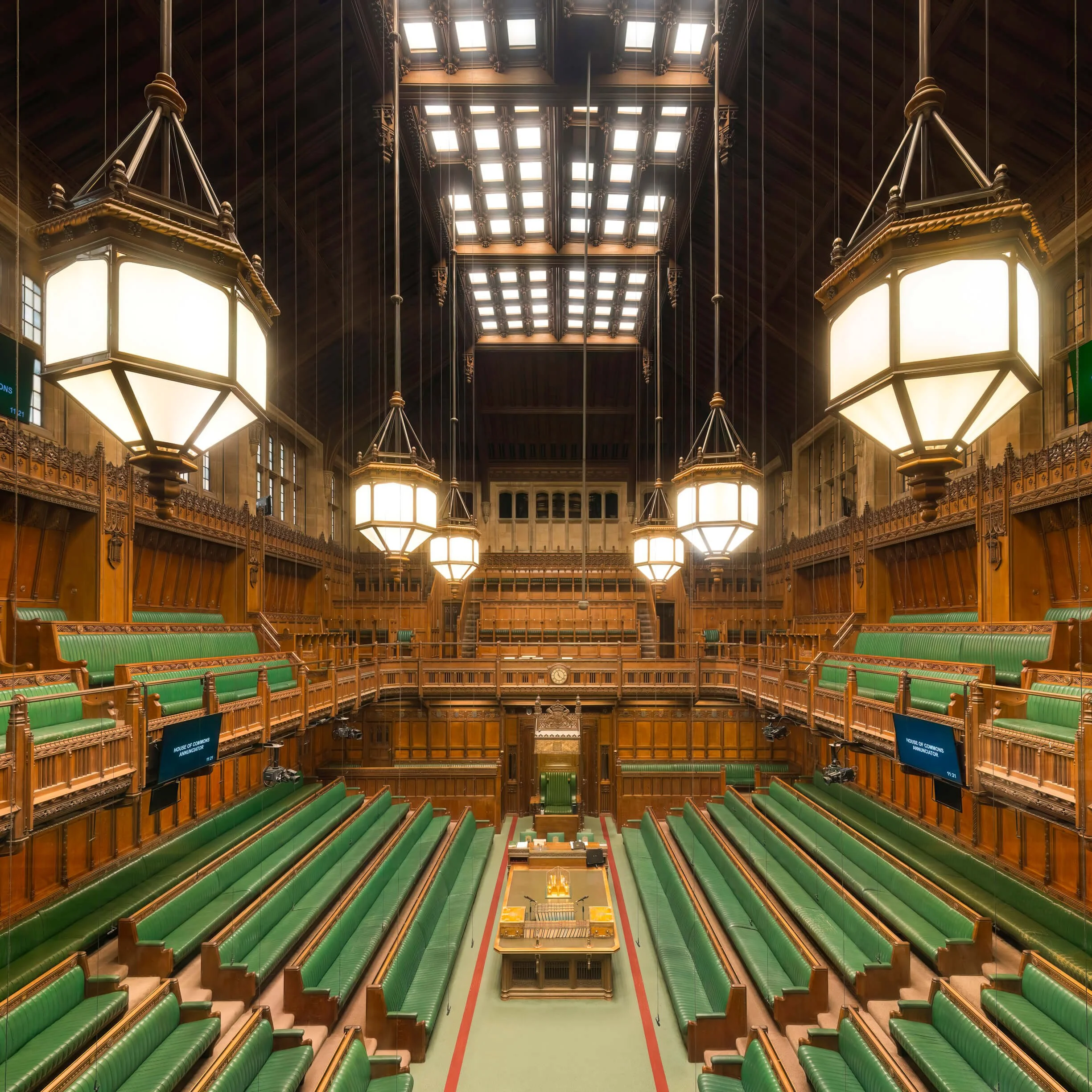
The House of Commons is perhaps the most recognisable room in the building. Its green benches are complemented by dark wood panelling. The current interior was rebuilt after being bombed during the Blitz in 1941 and reopened in 1950. The chamber's design is both functional and symbolic, with a long central aisle separating the two opposing sides of government, embodying the British tradition of debate and opposition.
In contrast, the House of Lords is a more opulent space, featuring rich red upholstery, ornate chandeliers, and the imposing throne from which the monarch delivers the State Opening of Parliament. The walls of the upper gallery are adorned with stained glass windows, classical paintings, statues, and an abundance of gold leaf.
Throughout the complex, Victorian Gothic architecture prevails, with soaring arches, intricate ironwork, and an abundance of marble. My favourite spot was an original medieval chapel, hidden beneath the Victorian building. It was decorated by Augustus Pugin during Parliament’s construction in the 1840s.
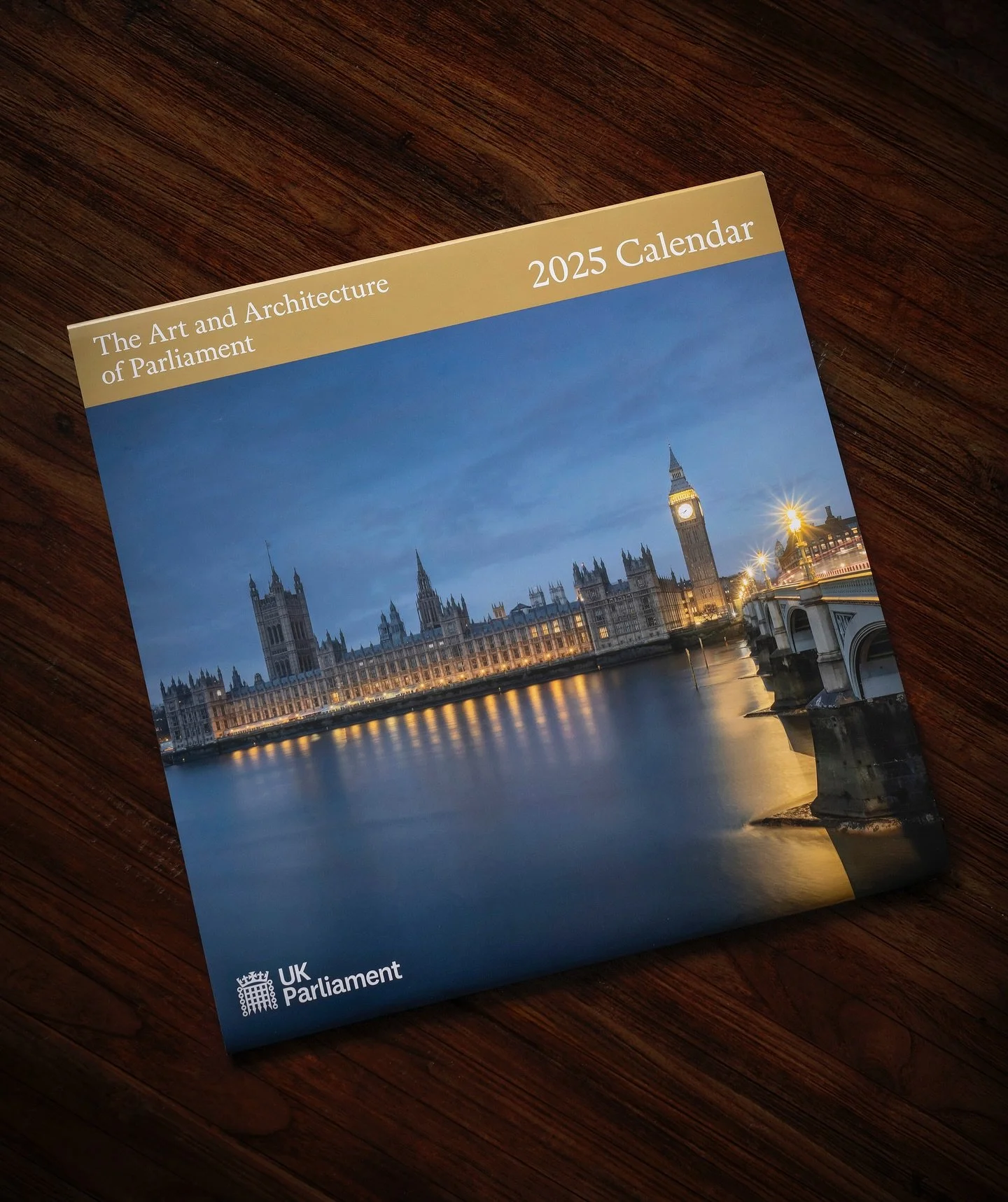
Some of my images are being used for merchandise and books available in the Parliament gift shops. The gallery below includes a few of my shots featured in their 2025 calendar.
I’ve also been fortunate enough to be invited back for another commission to photograph the Elizabeth Tower, which houses the clock and the famous Big Ben bell. I’ll cover that project in a future post.







Holkham Hall, Norfolk
I have recently been commissioned to photograph the impressive Holkham Hall in Norfolk. This 18th-century country house was constructed for the 1st Earl of Leicester and is one of England's finest examples of the Palladian revival style of architecture.
I have recently been commissioned to photograph the impressive Holkham Hall in Norfolk. This 18th-century country house was constructed for the 1st Earl of Leicester and is one of England's finest examples of the Palladian revival style of architecture.
The interior of the hall is very opulent and you enter through the Marble Hall, which is made of pink Derbyshire alabaster, this leads on to the first floor and the state rooms. The most impressive of these rooms is the Saloon, which has walls lined with red velvet. Each of the major state rooms is symmetrical in its layout and design and in some rooms, false doors are necessary to fully achieve this balanced effect.
The house is at the heart of a thriving private estate of some 25,000 acres and is open to the public, it is still the family home of the 8th Earl of Leicester, Thomas Coke.