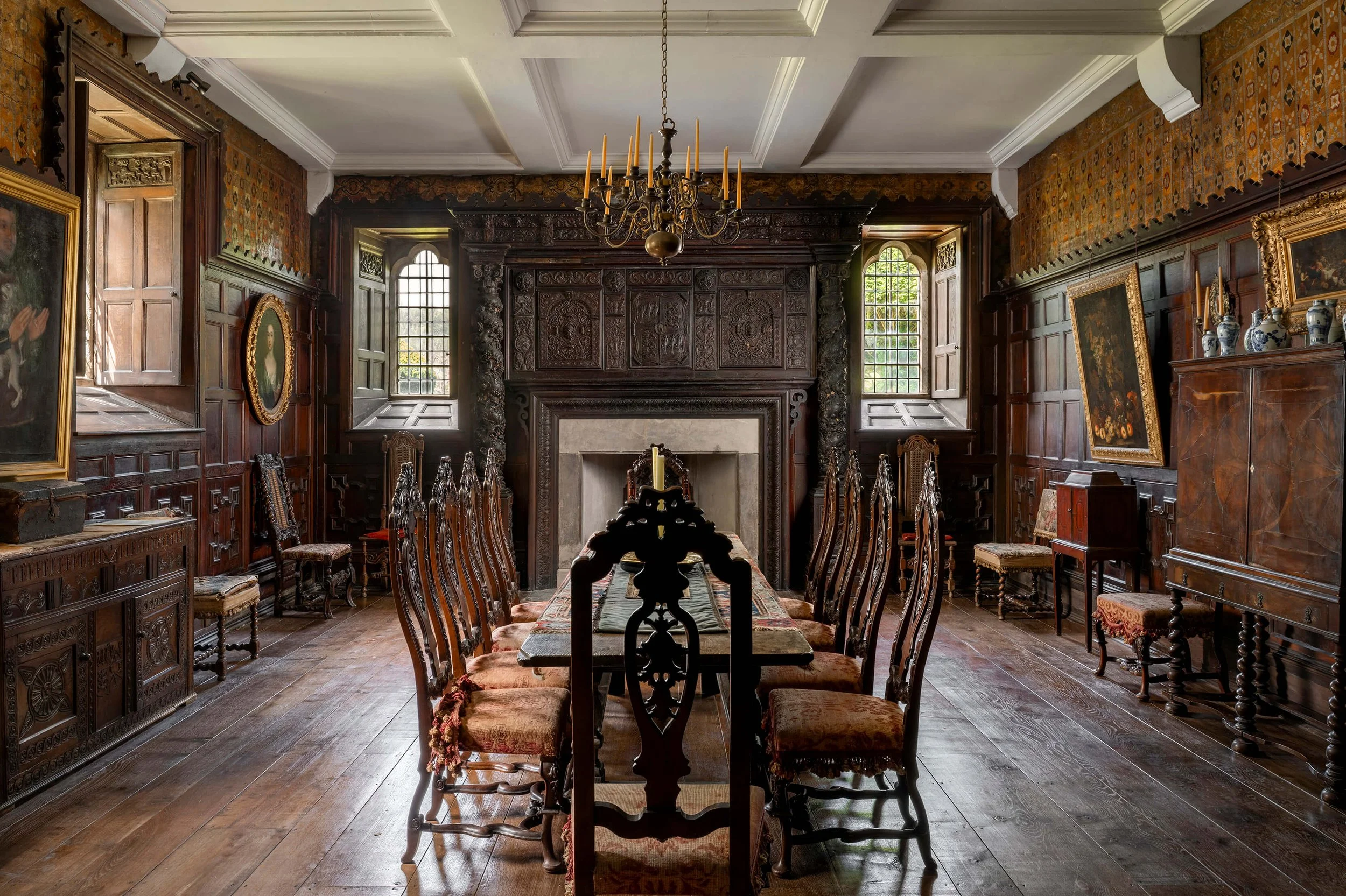
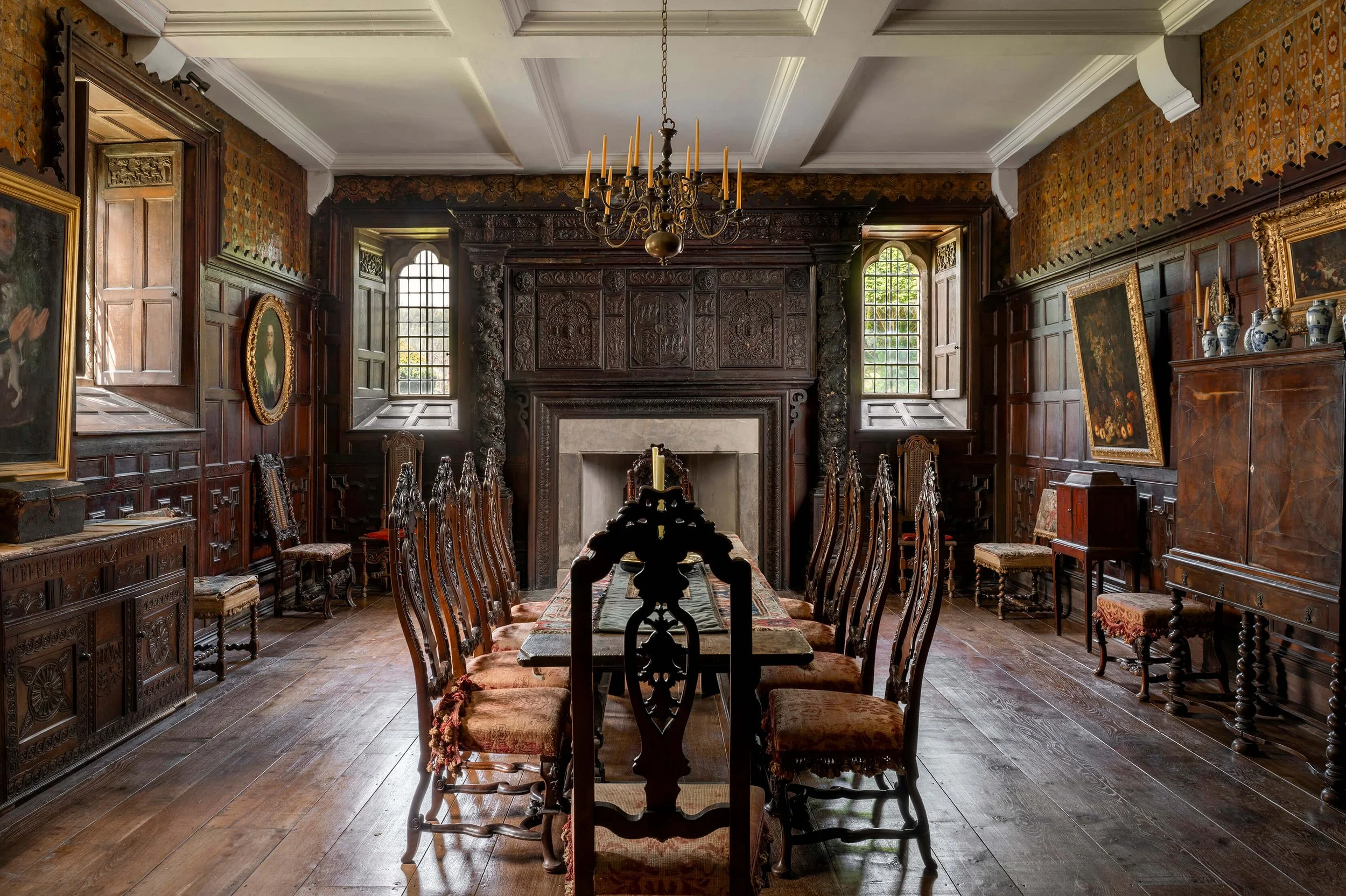
Photographing Gwydir Castle, North Wales.
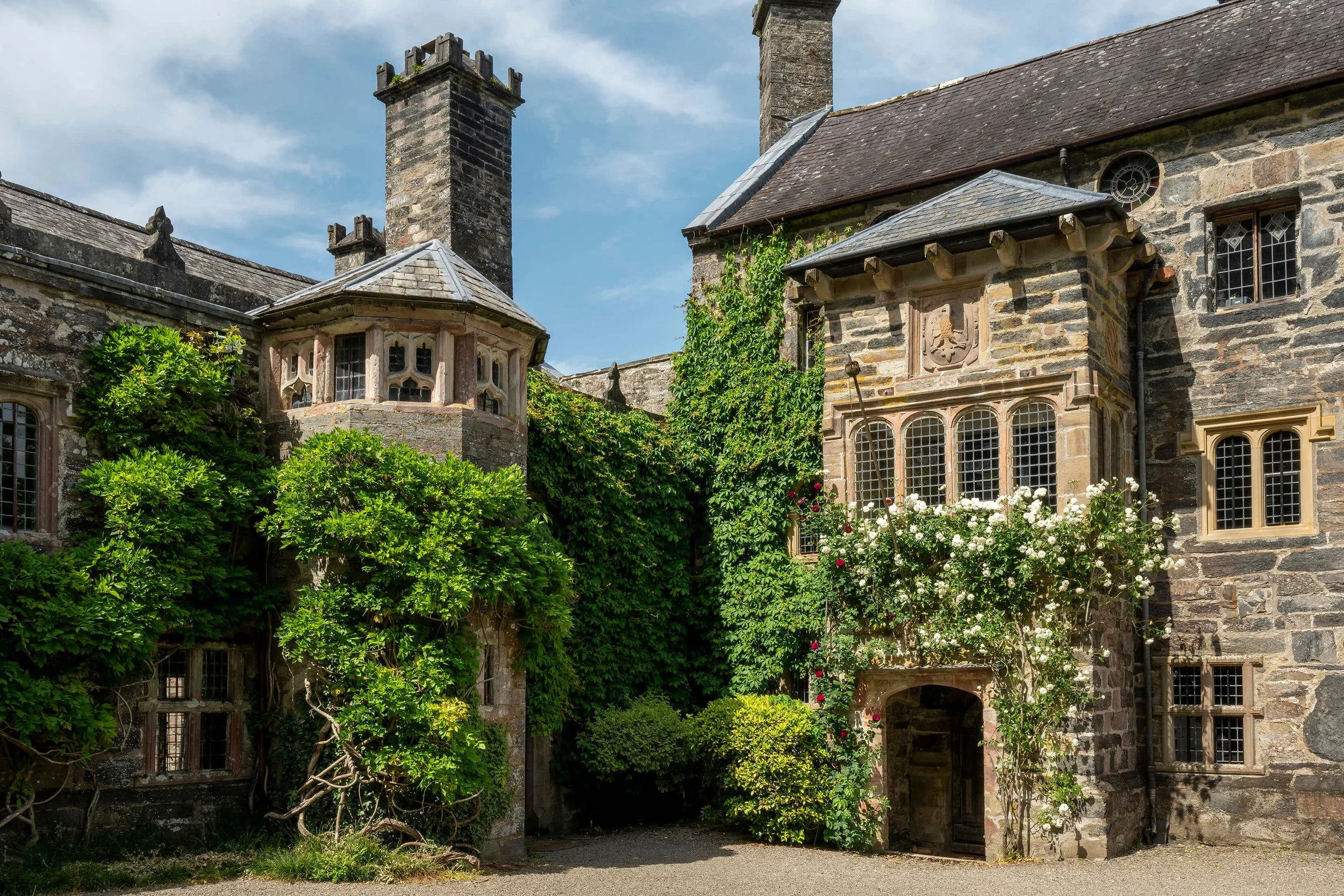
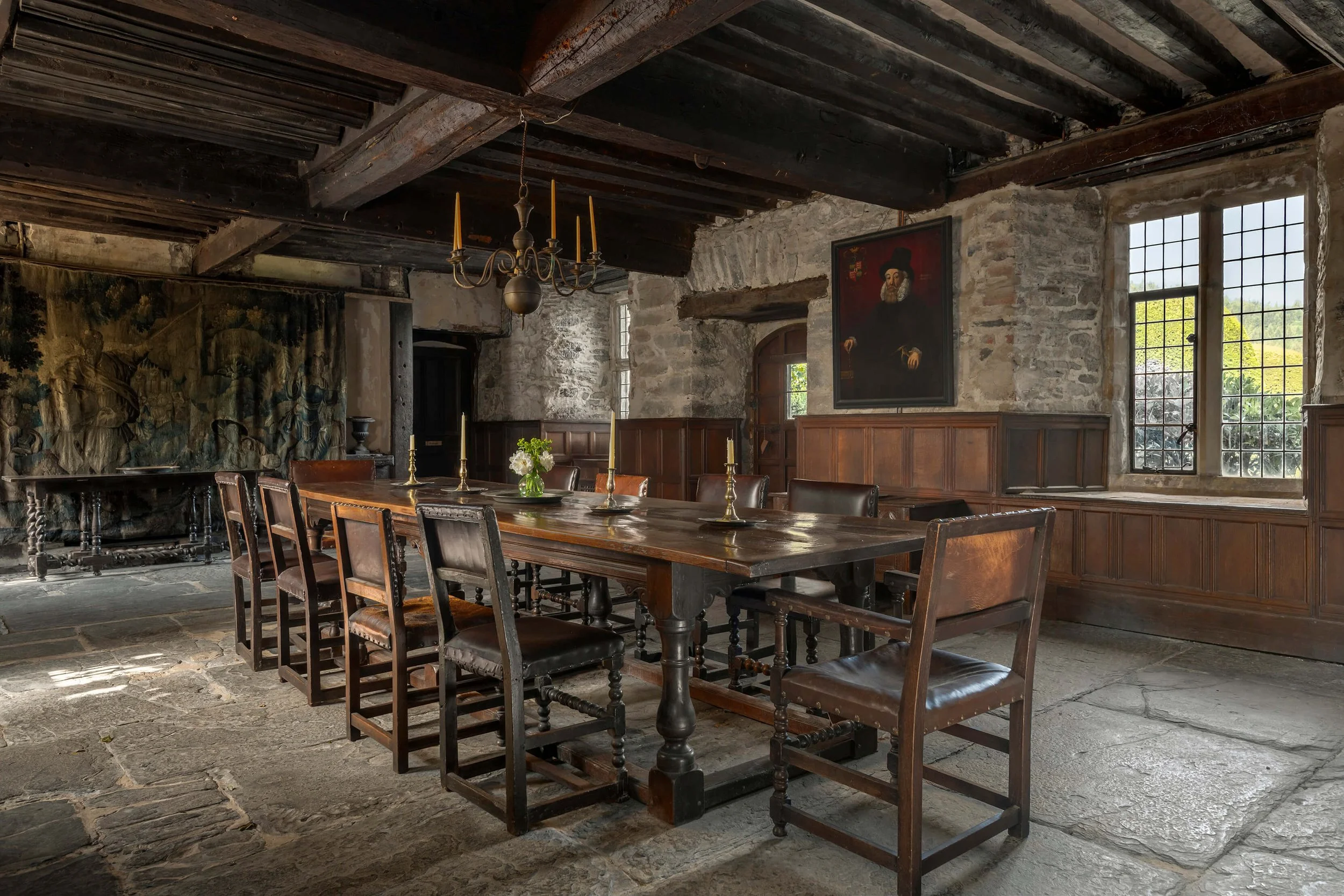
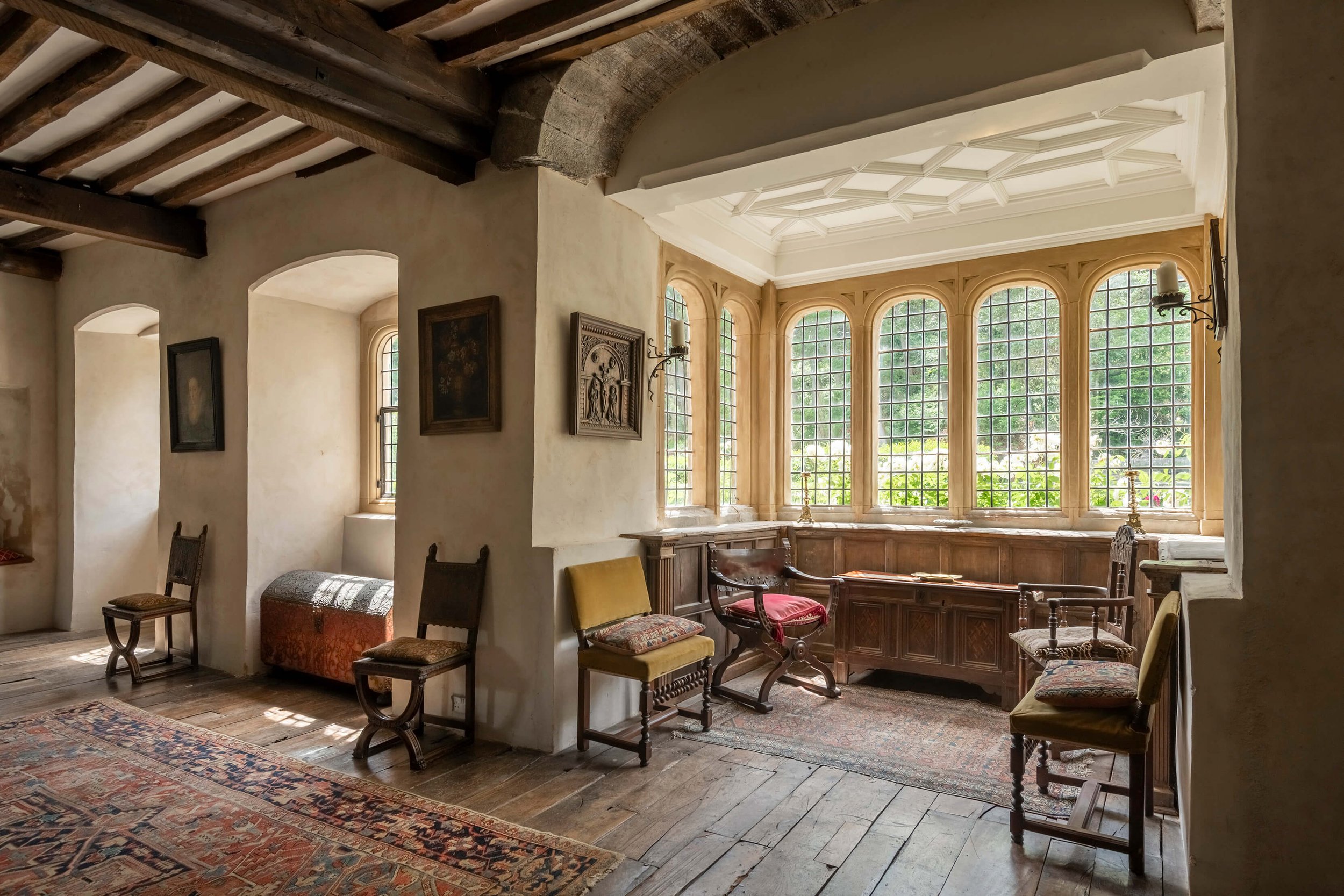
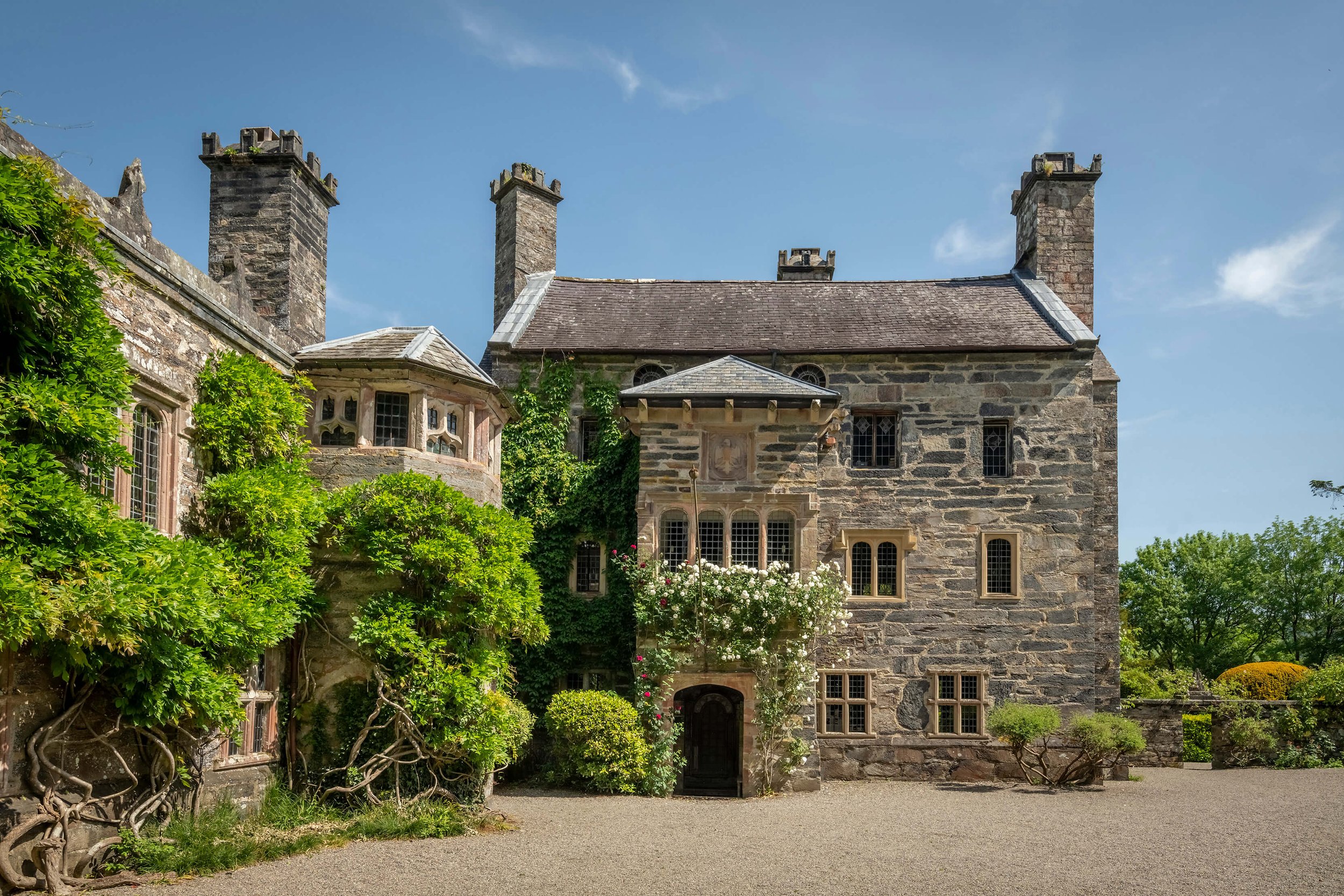
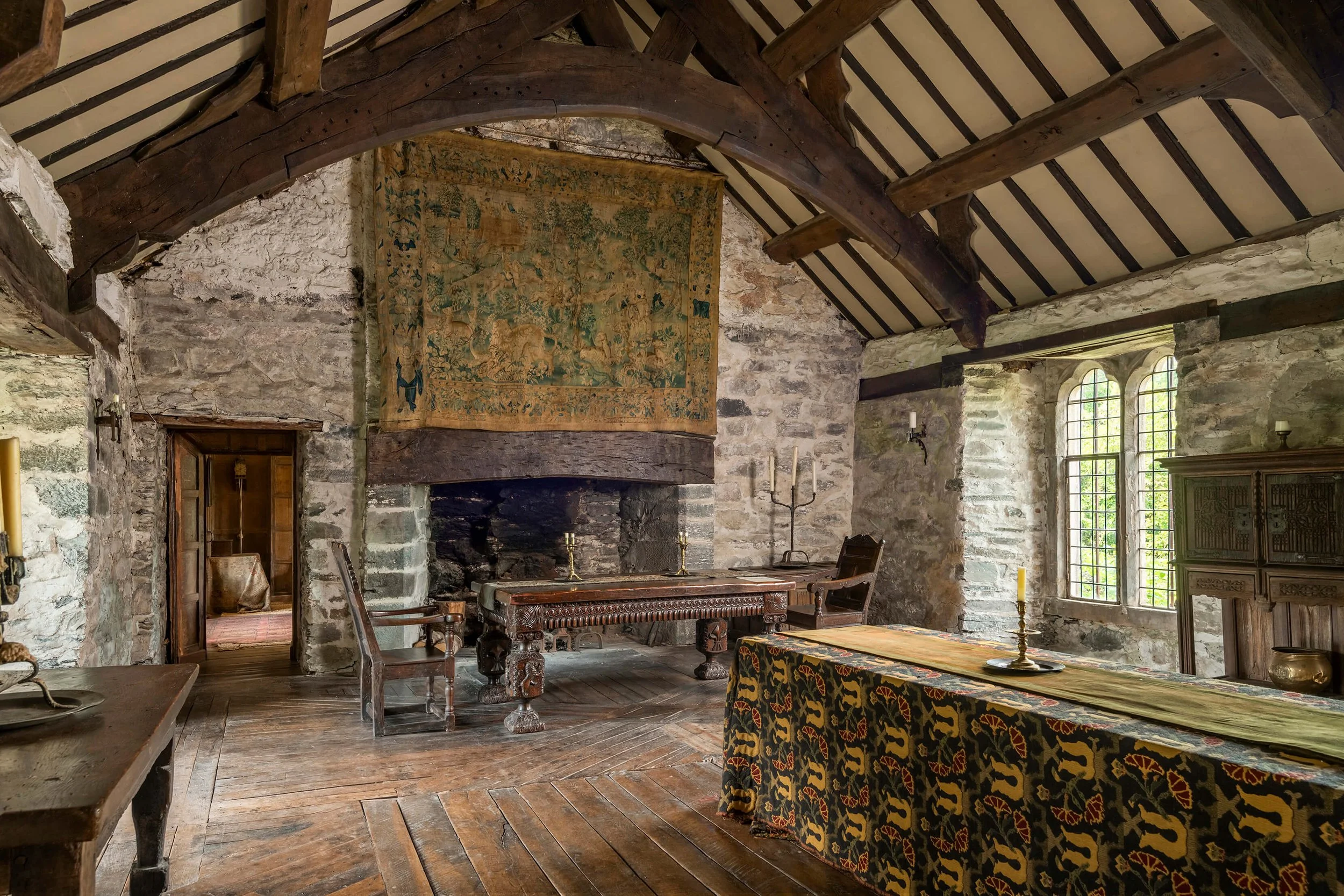
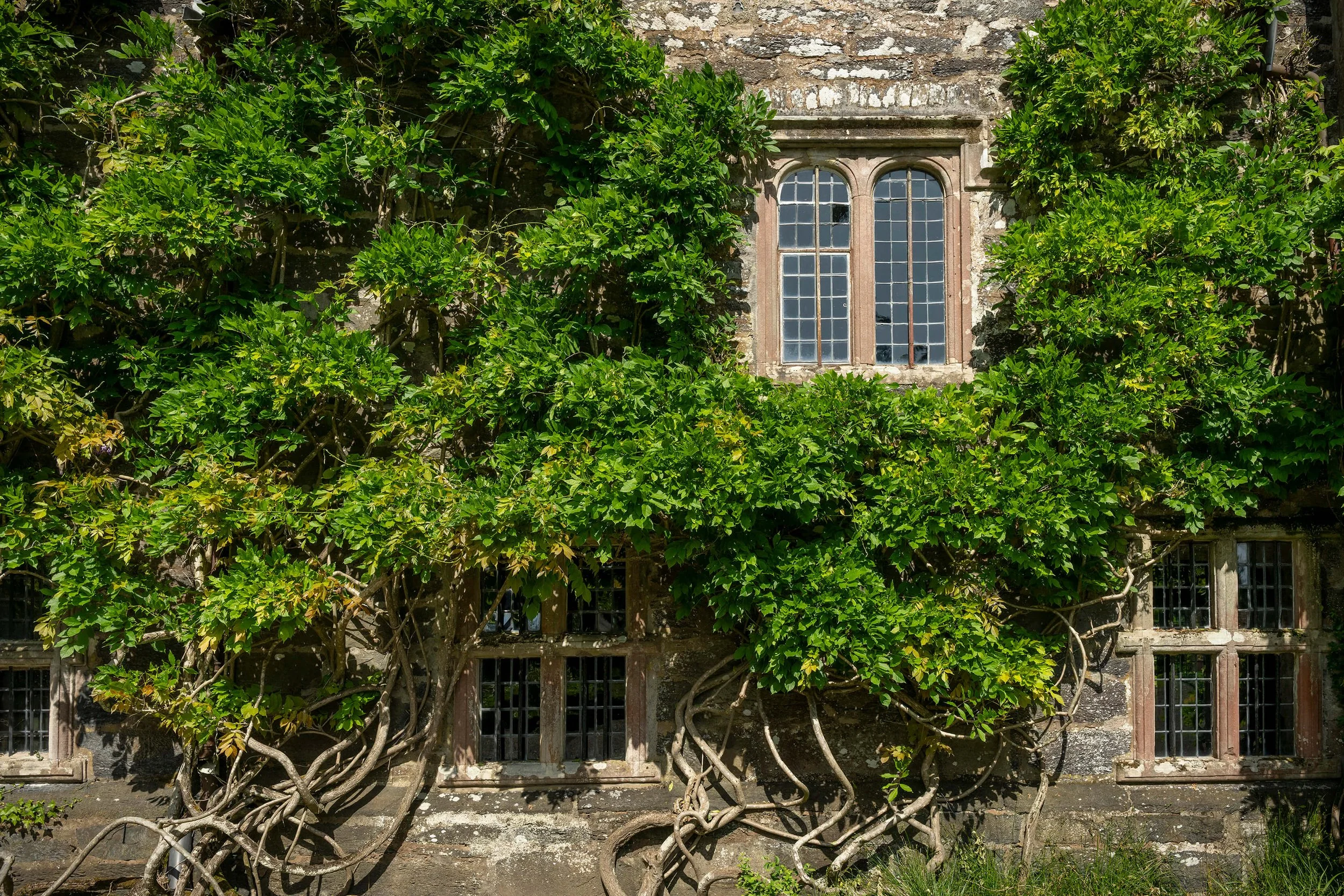
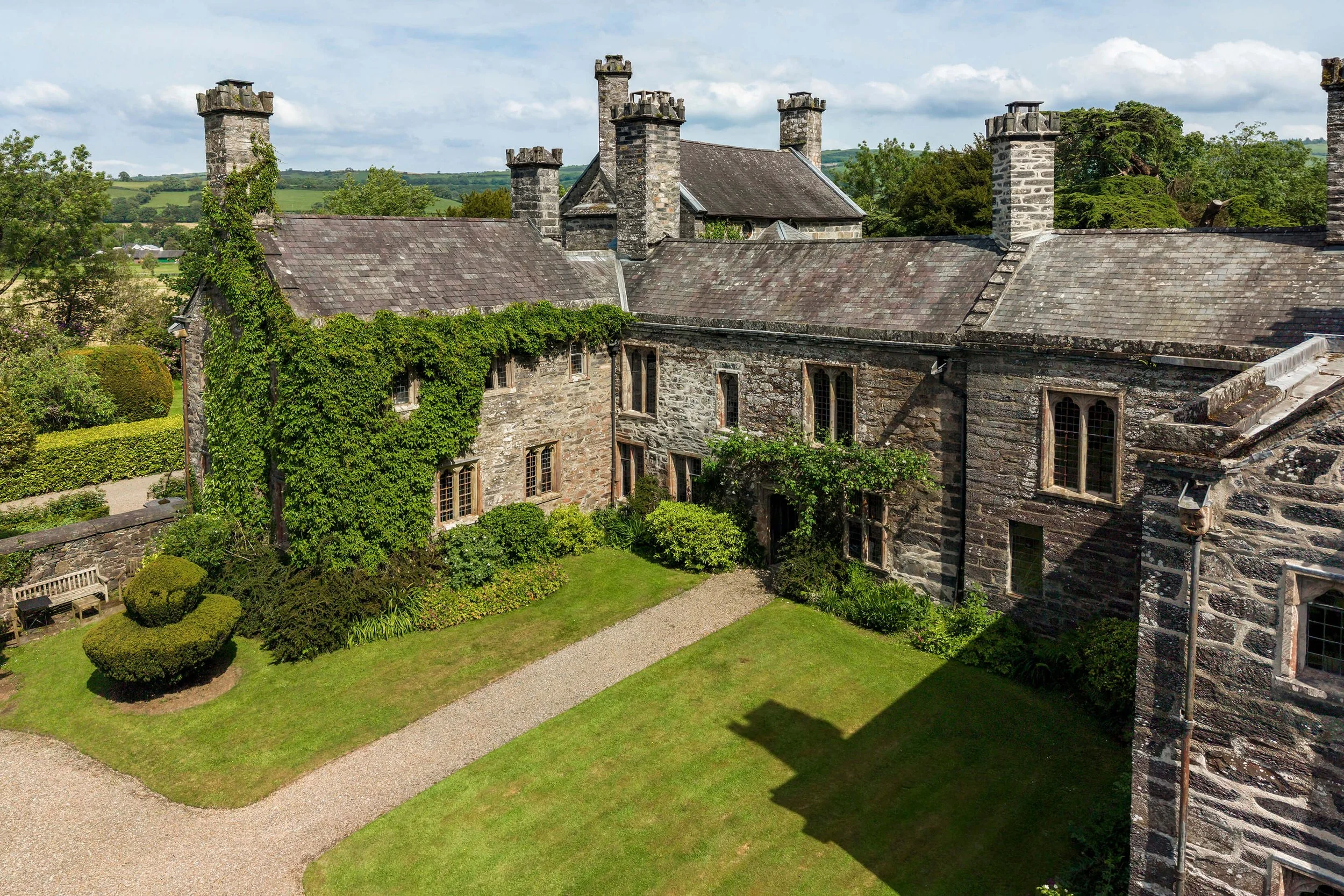
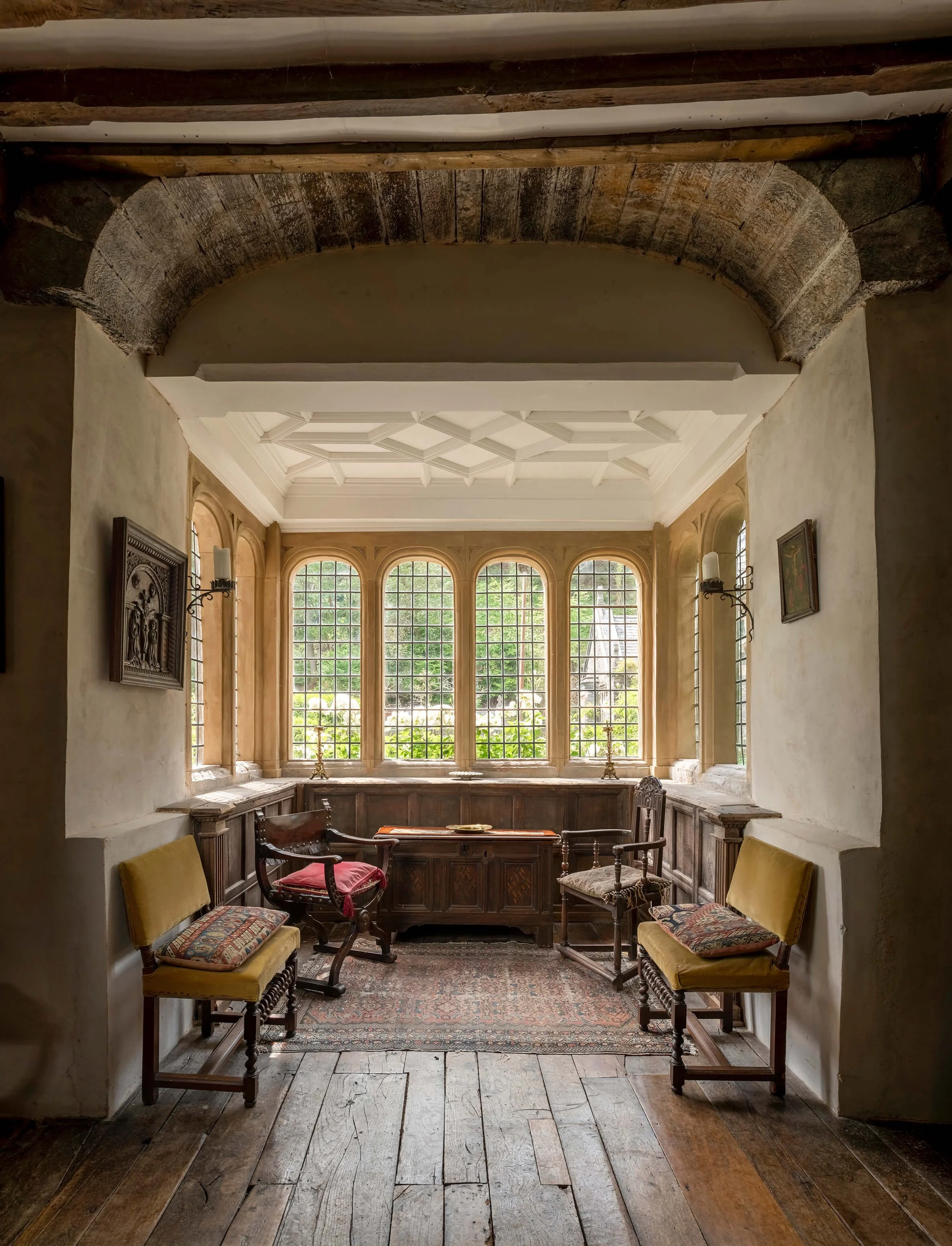
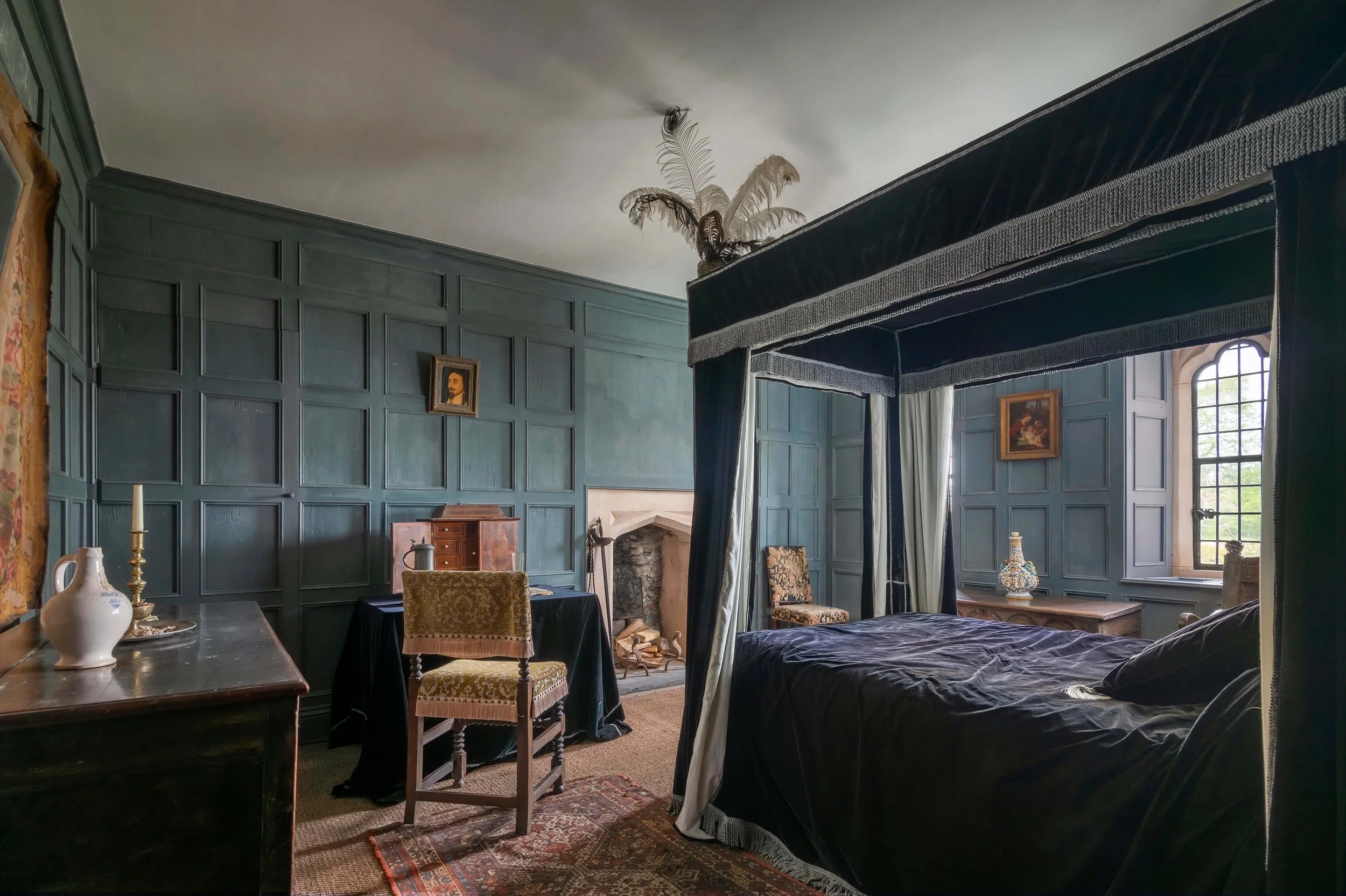
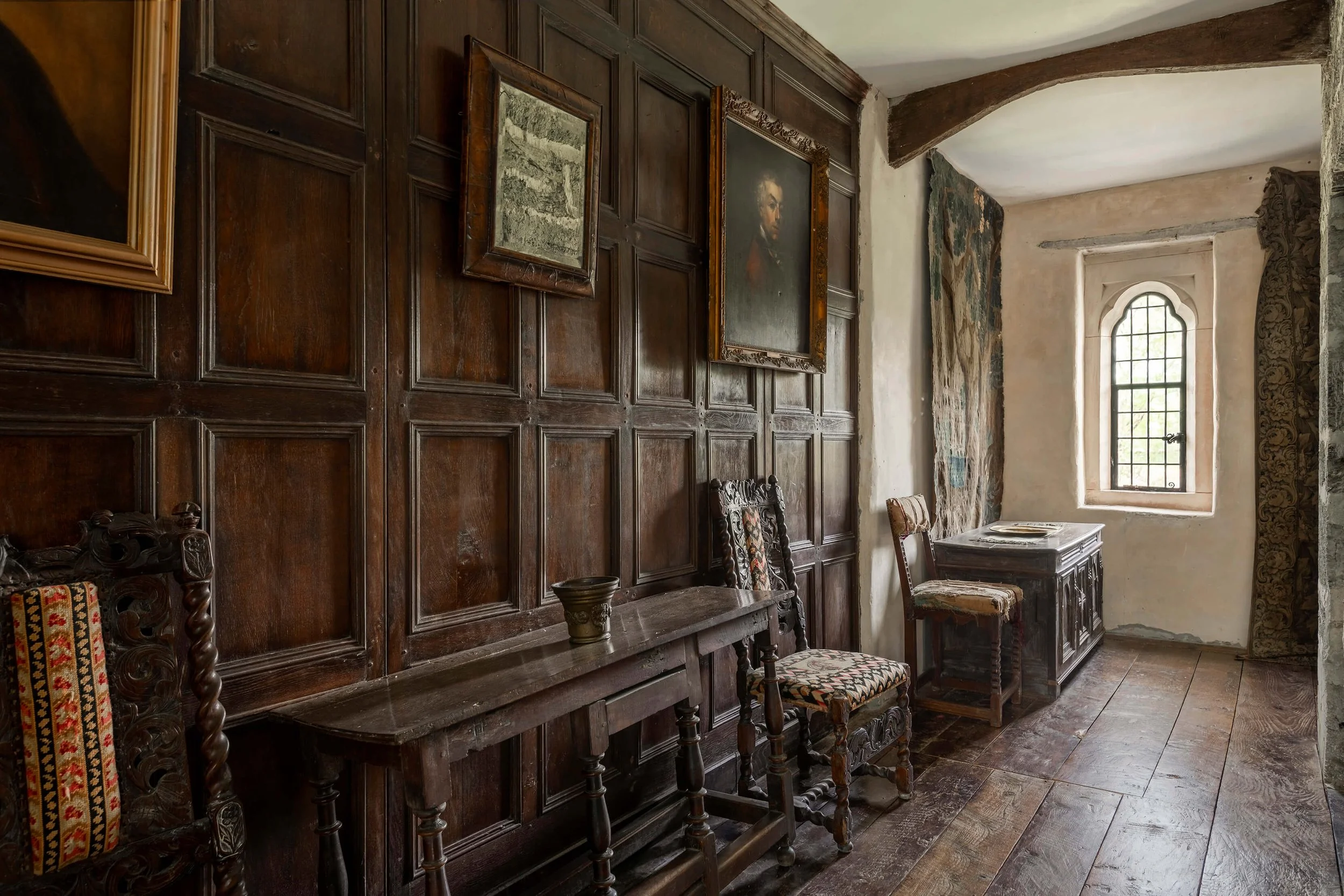
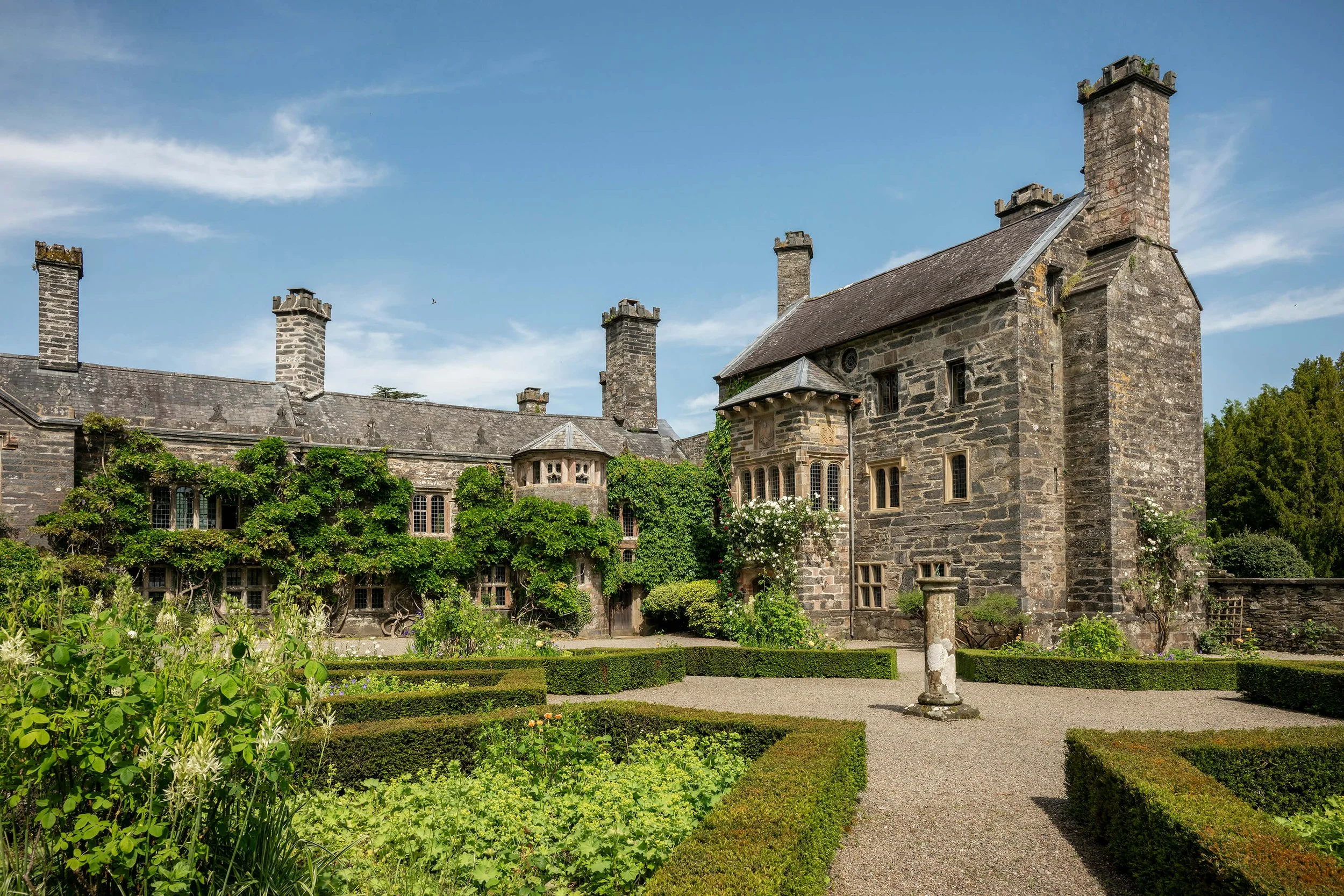
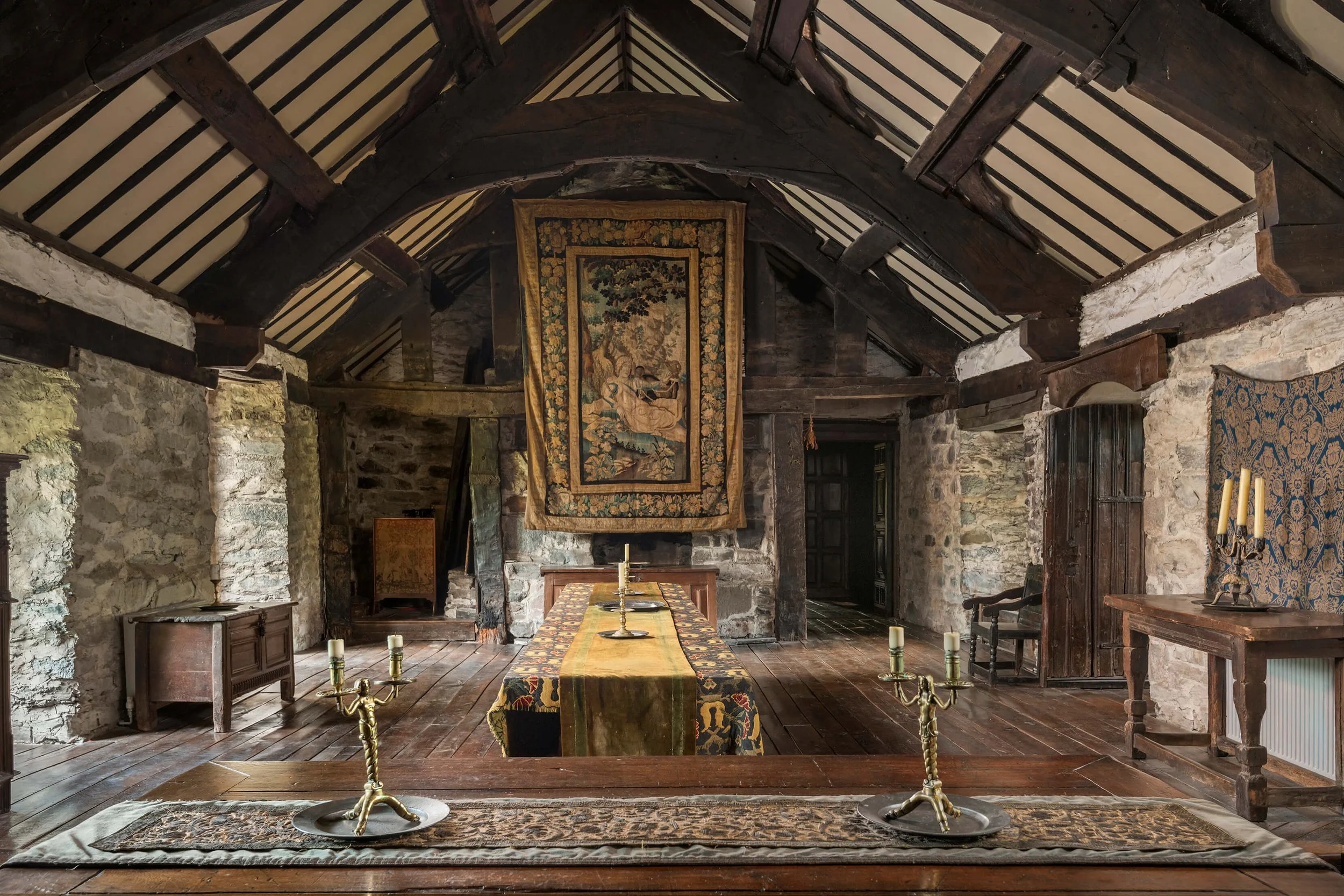
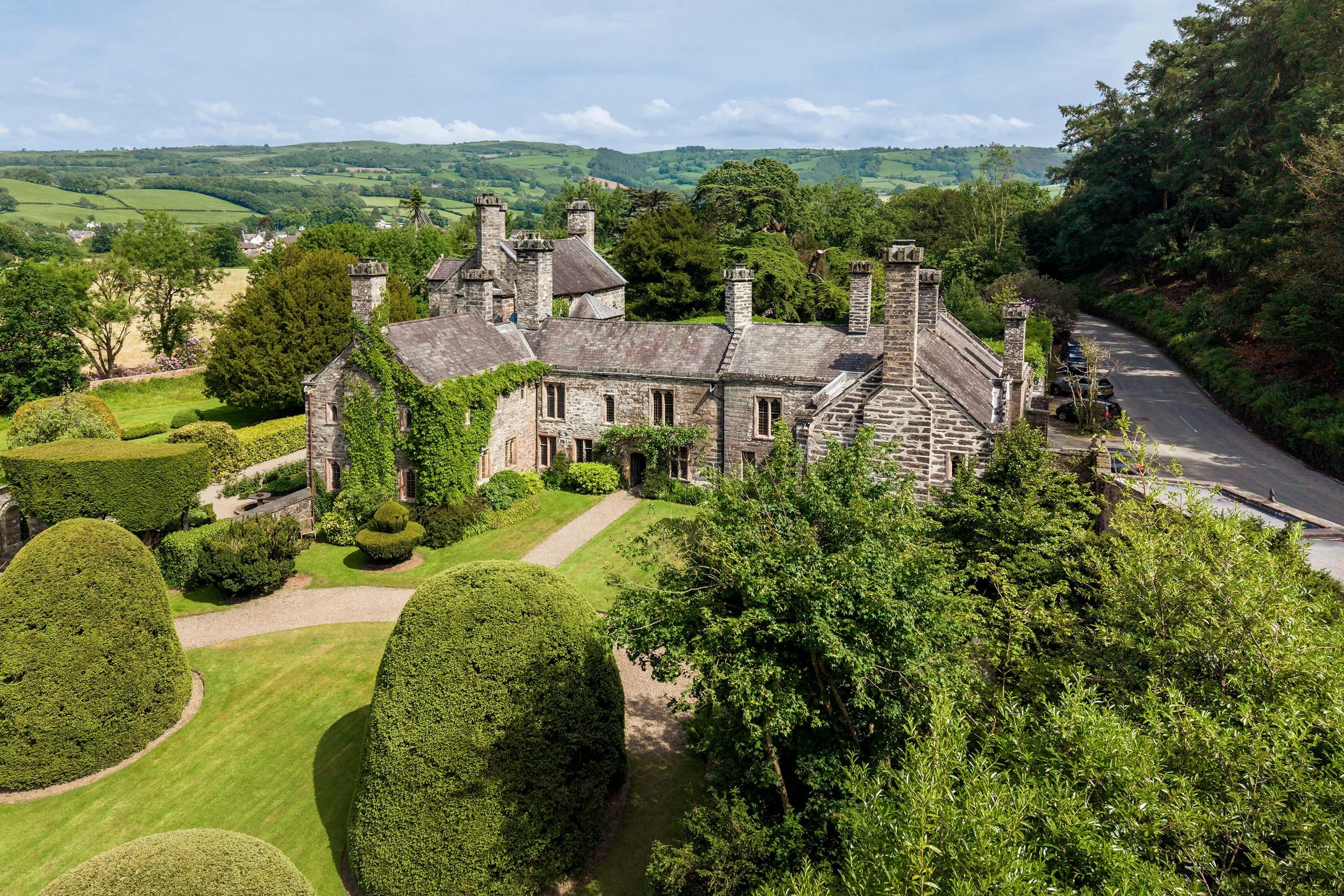
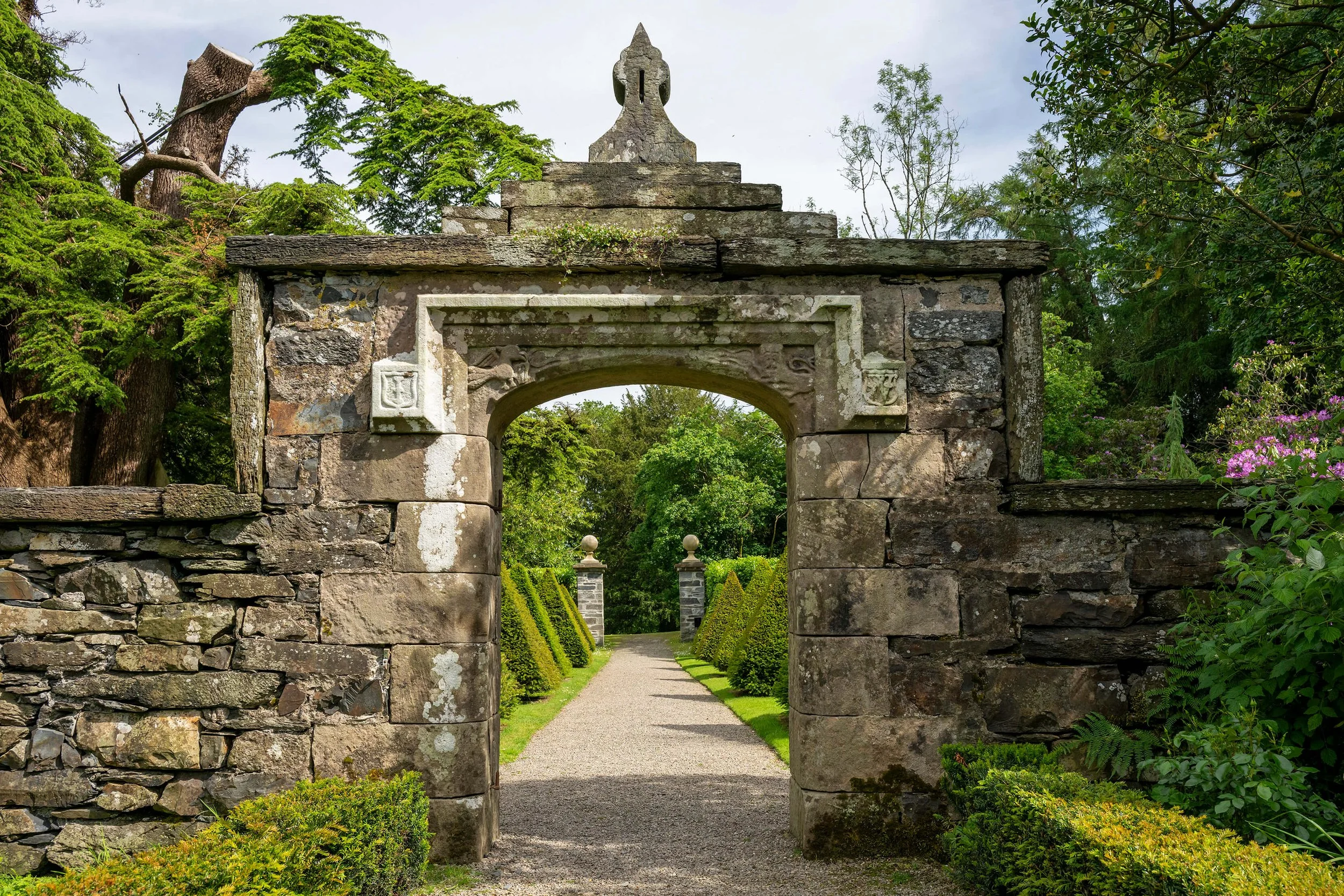
Tucked away in the beautiful Conwy Valley near Llanrwst, Gwydir Castle is one of Wales's most fascinating historic houses. Dating back to the late 15th century, the castle has a rich and complex history, having served as the ancestral home of the powerful Wynn family before falling into decline and eventually being rescued through a remarkable restoration programme.
Tucked away in the beautiful Conwy Valley near Llanrwst, Gwydir Castle is one of Wales's most fascinating historic houses. Dating back to the late 15th century, the castle has a rich and complex history, having served as the ancestral home of the powerful Wynn family before falling into decline and eventually being rescued through a remarkable restoration programme.
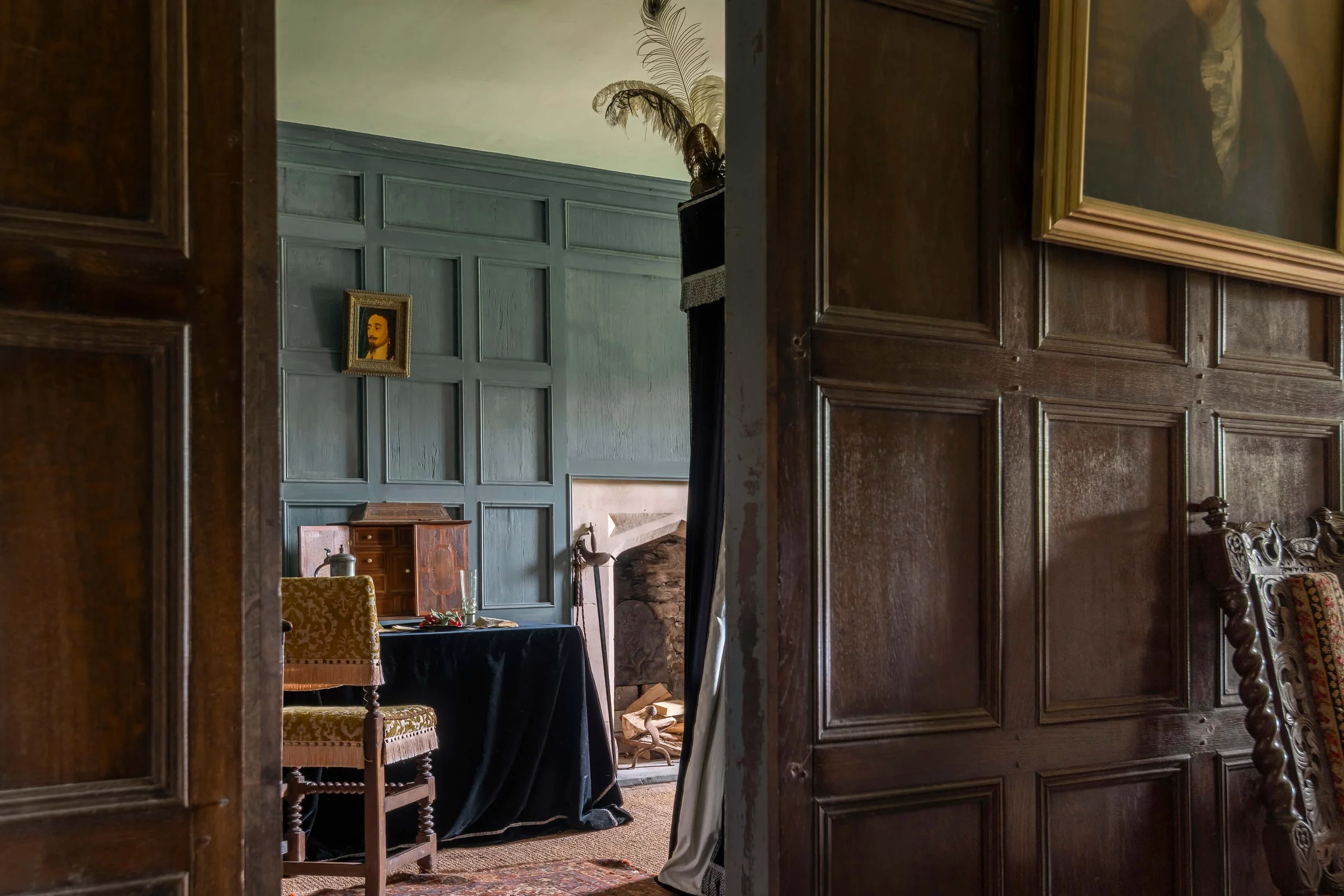
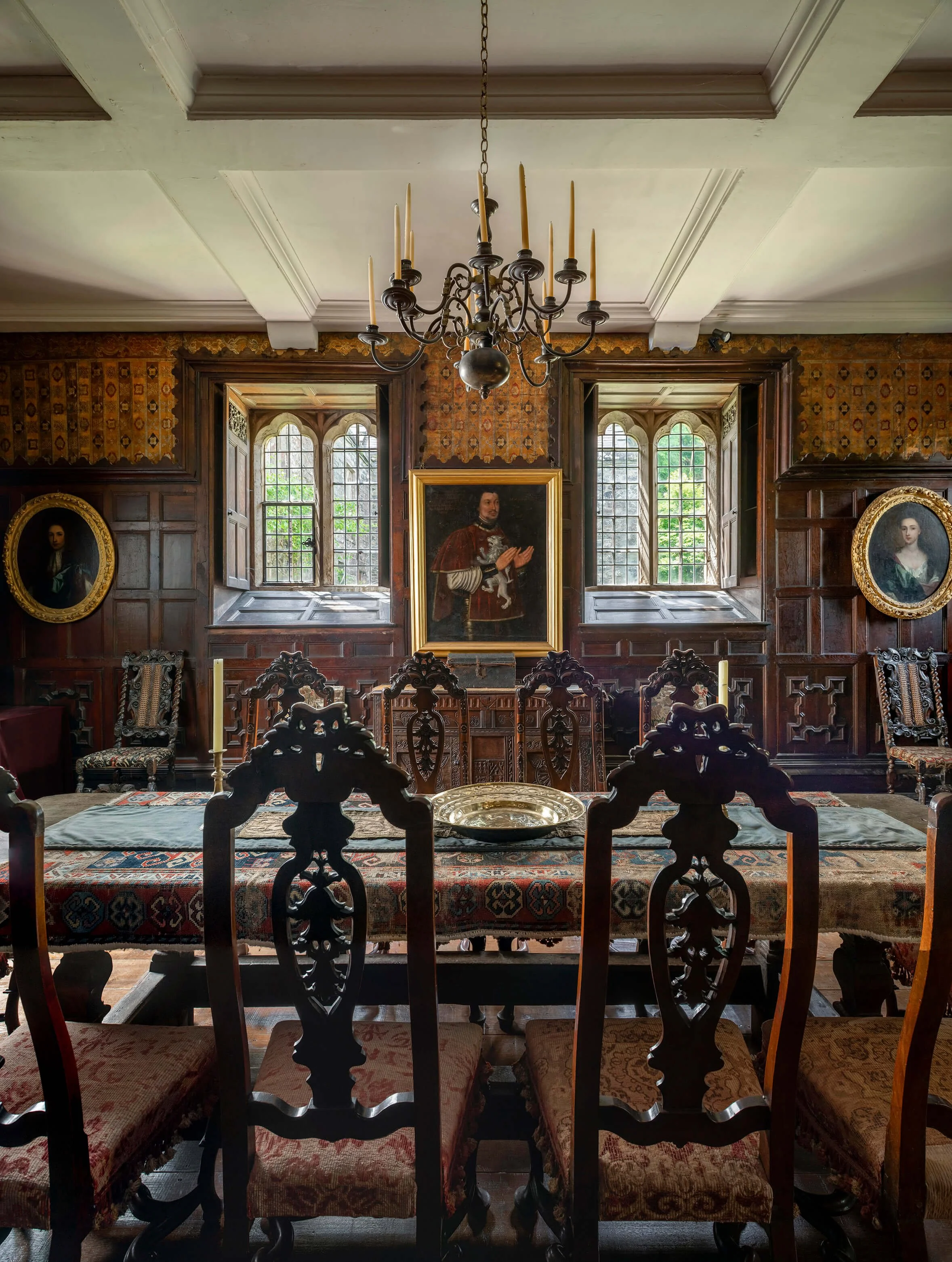
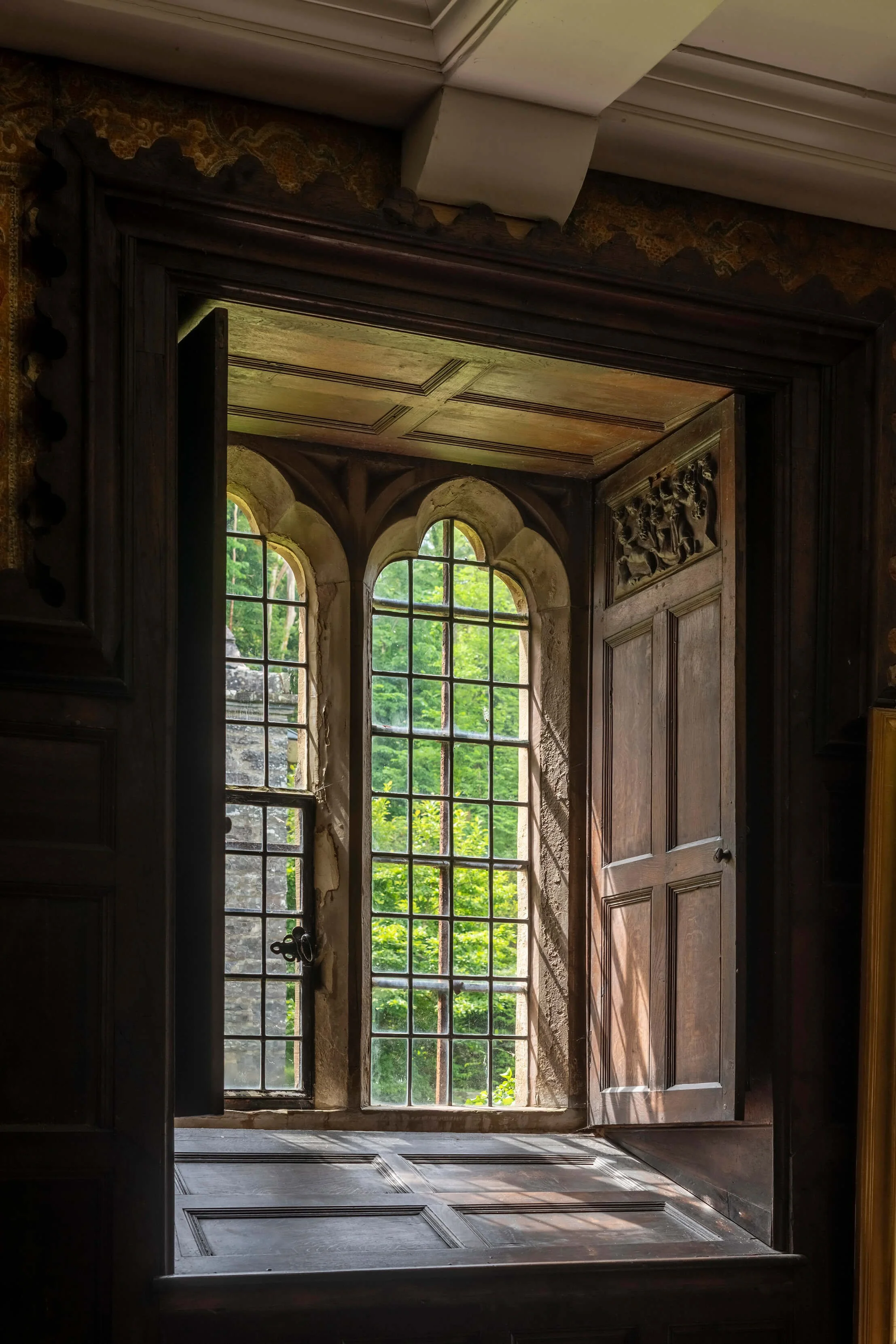
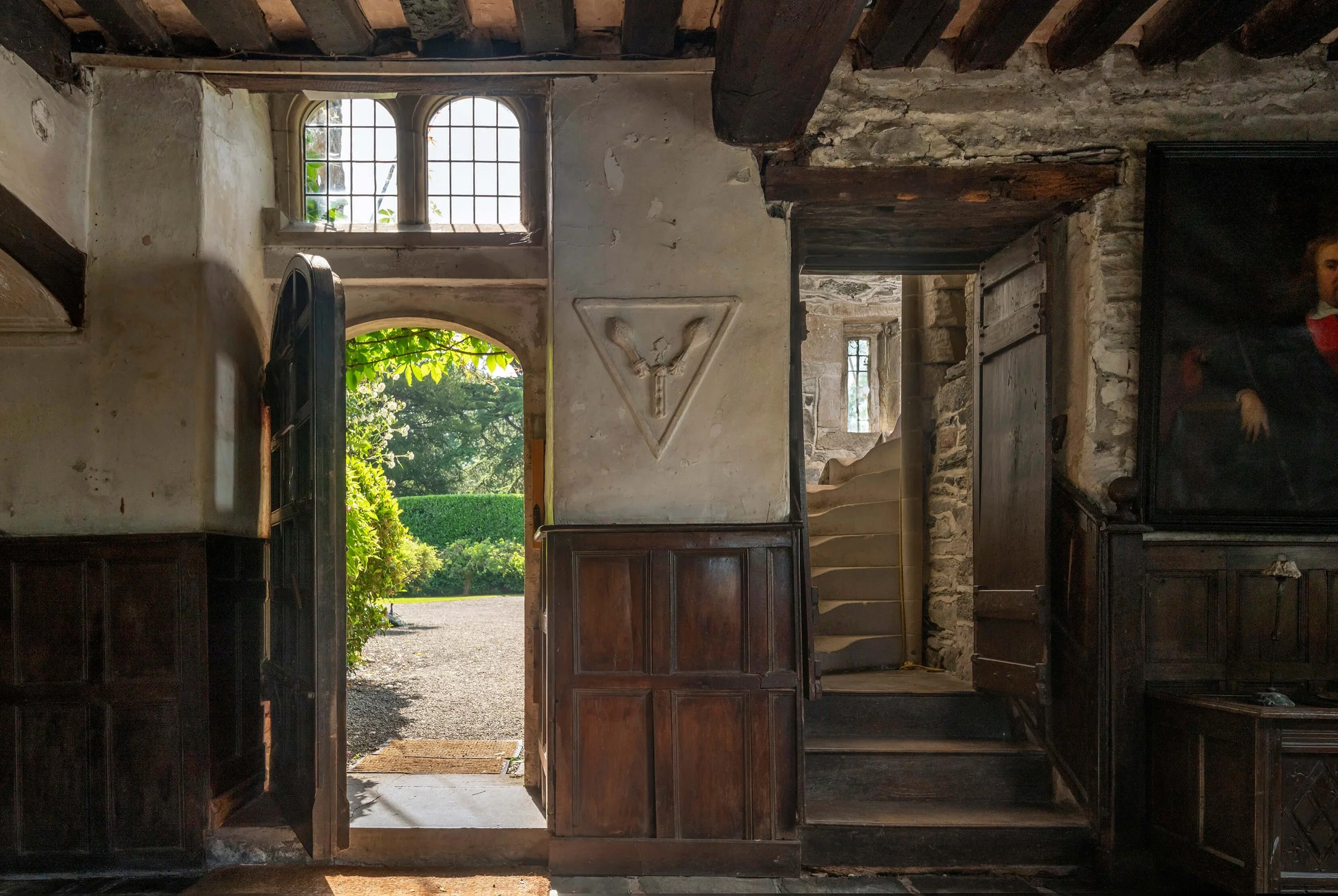
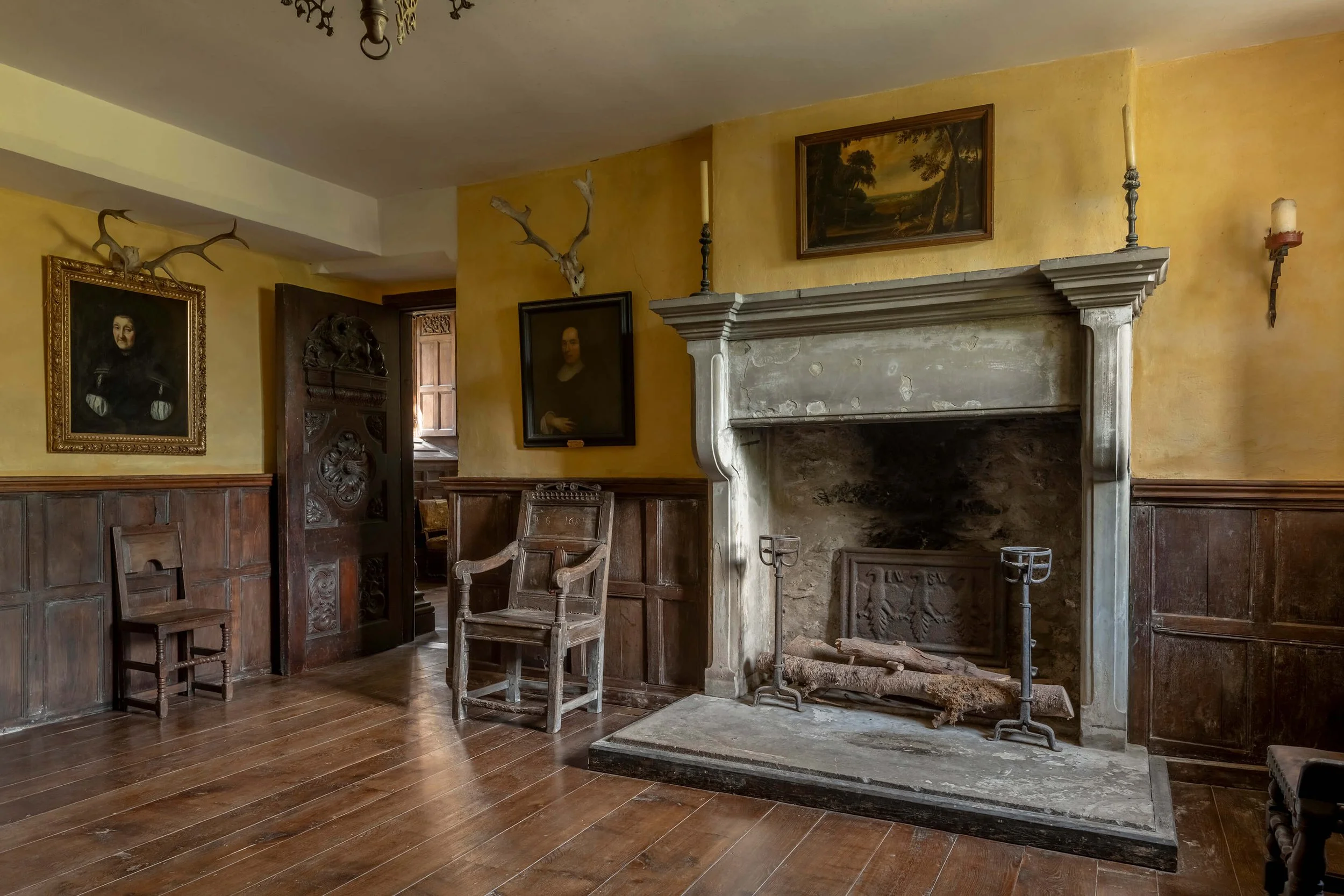
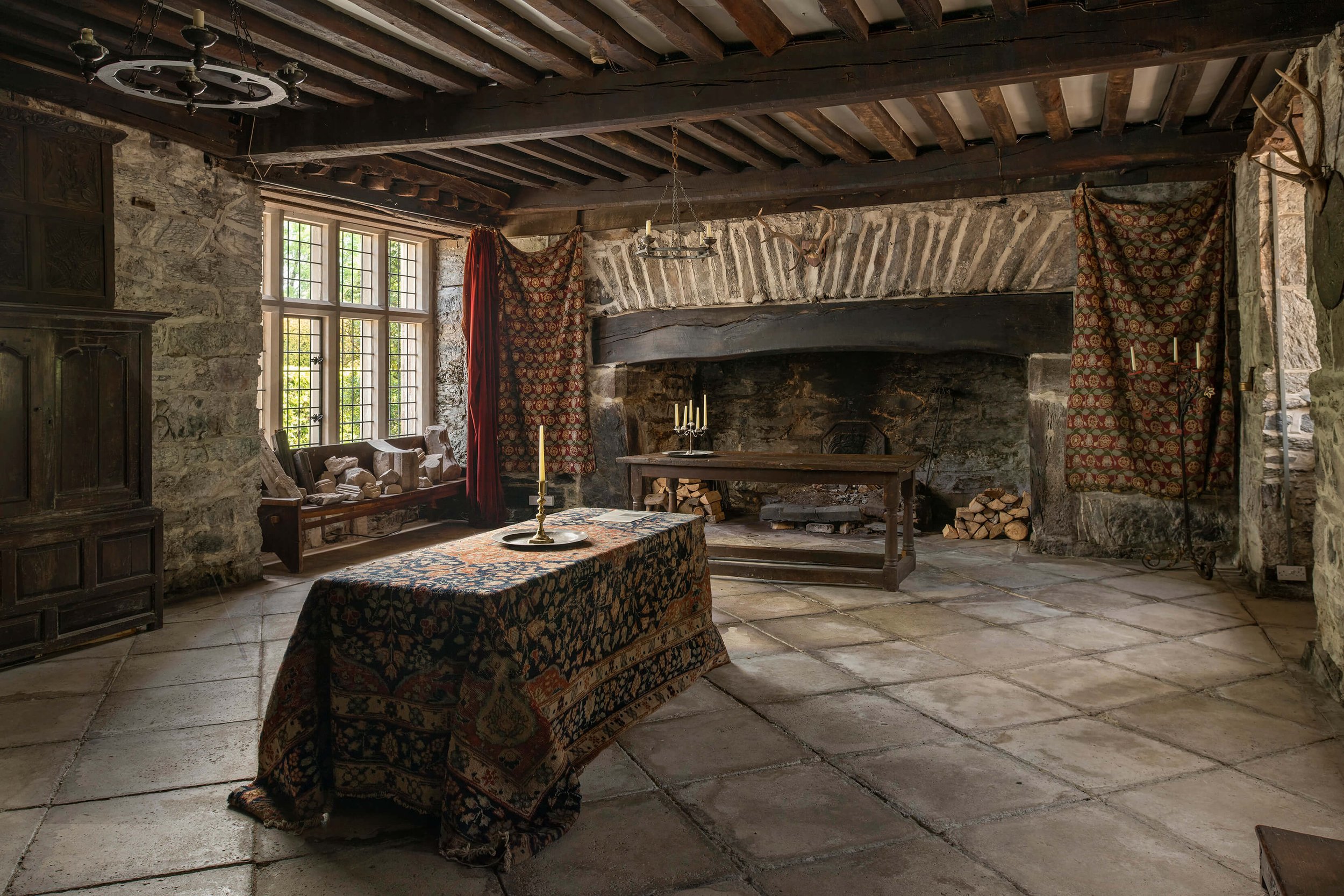
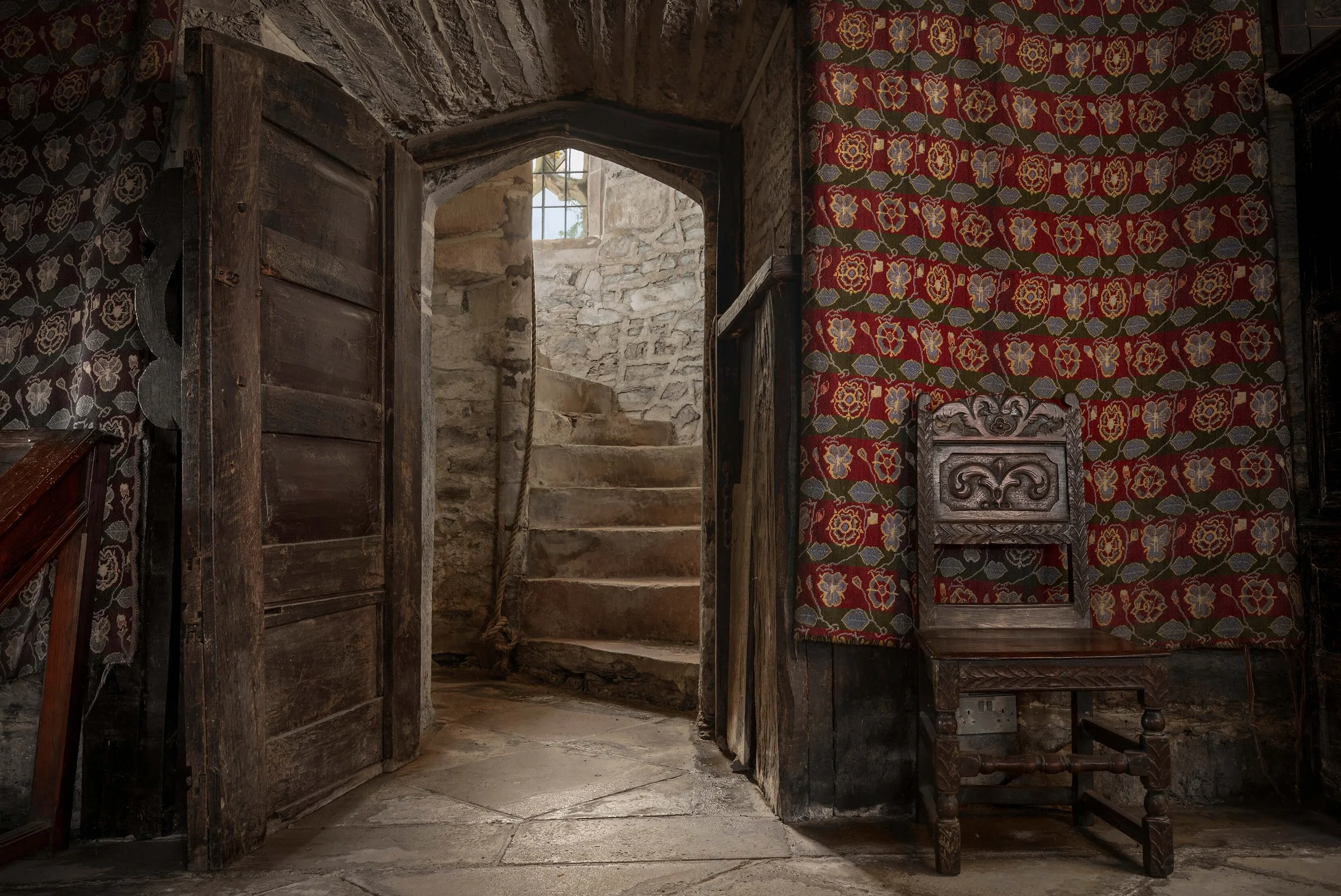
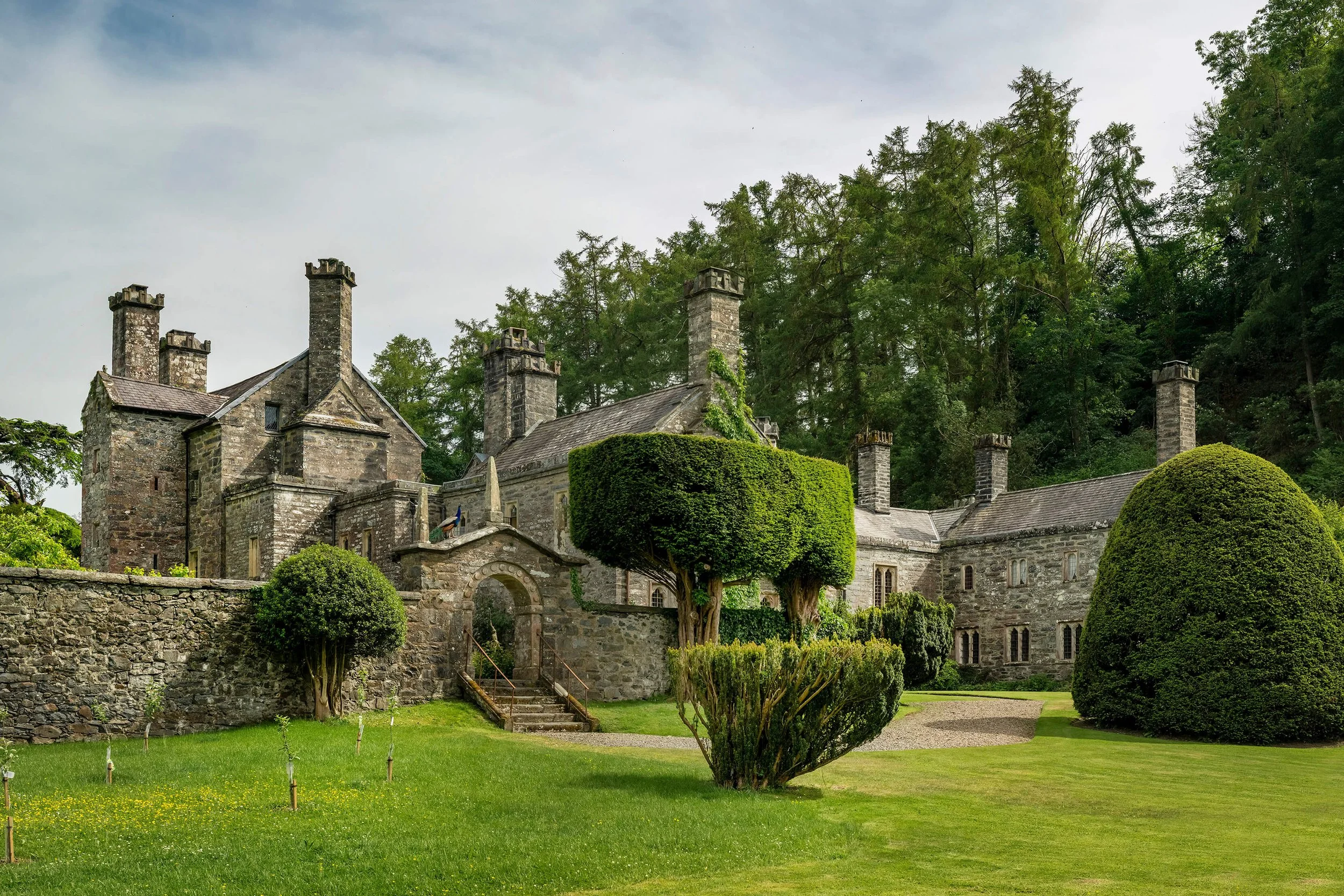
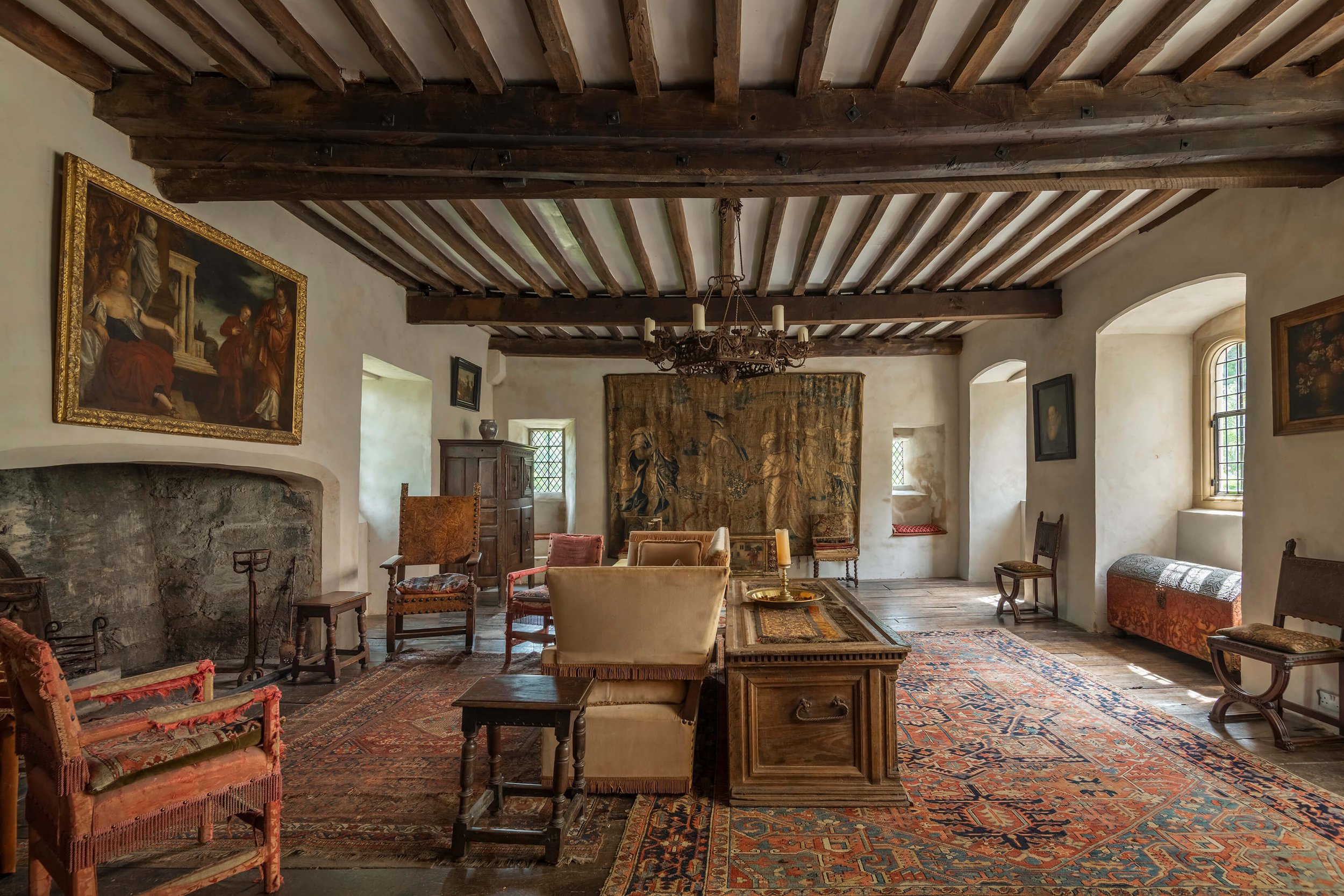
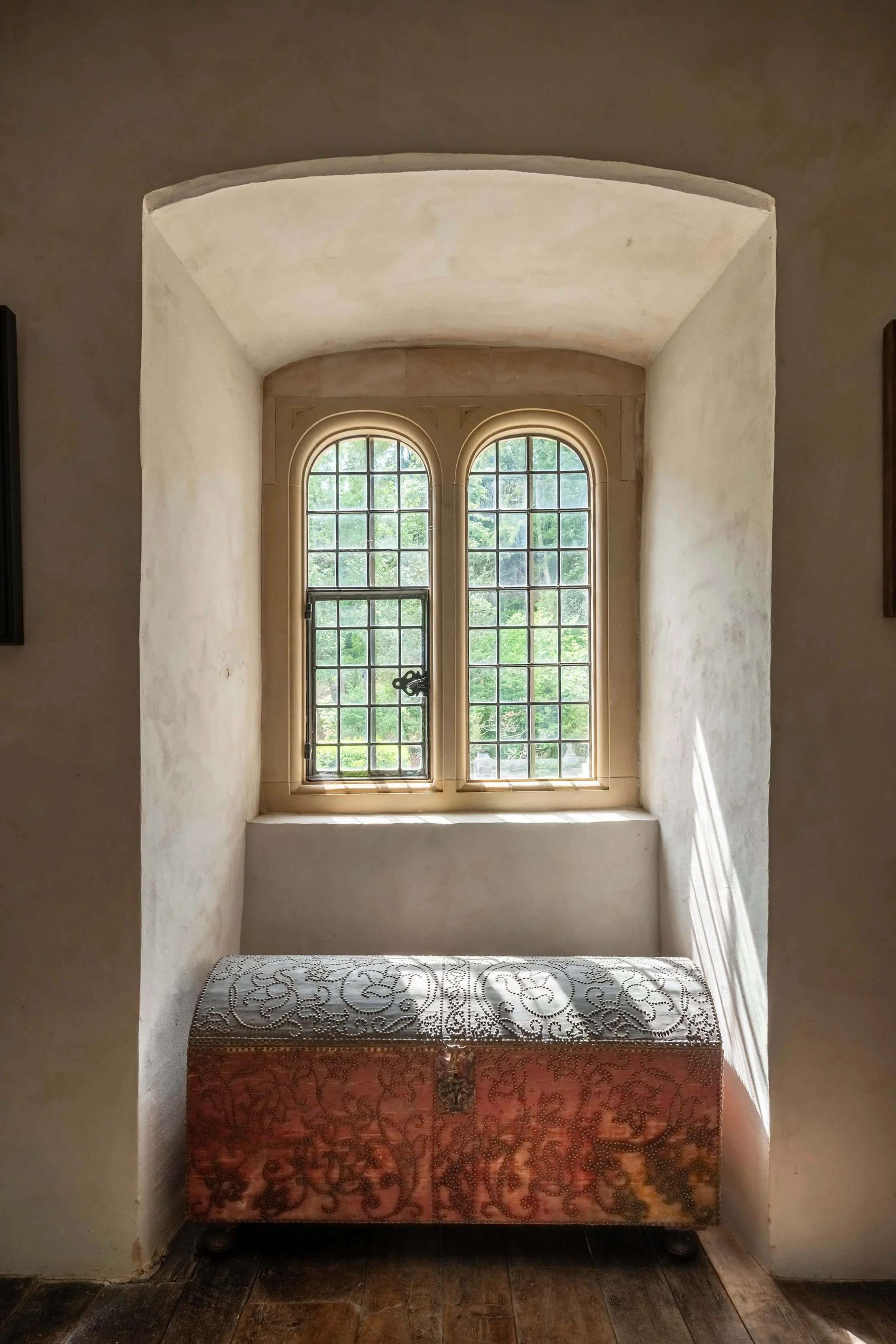
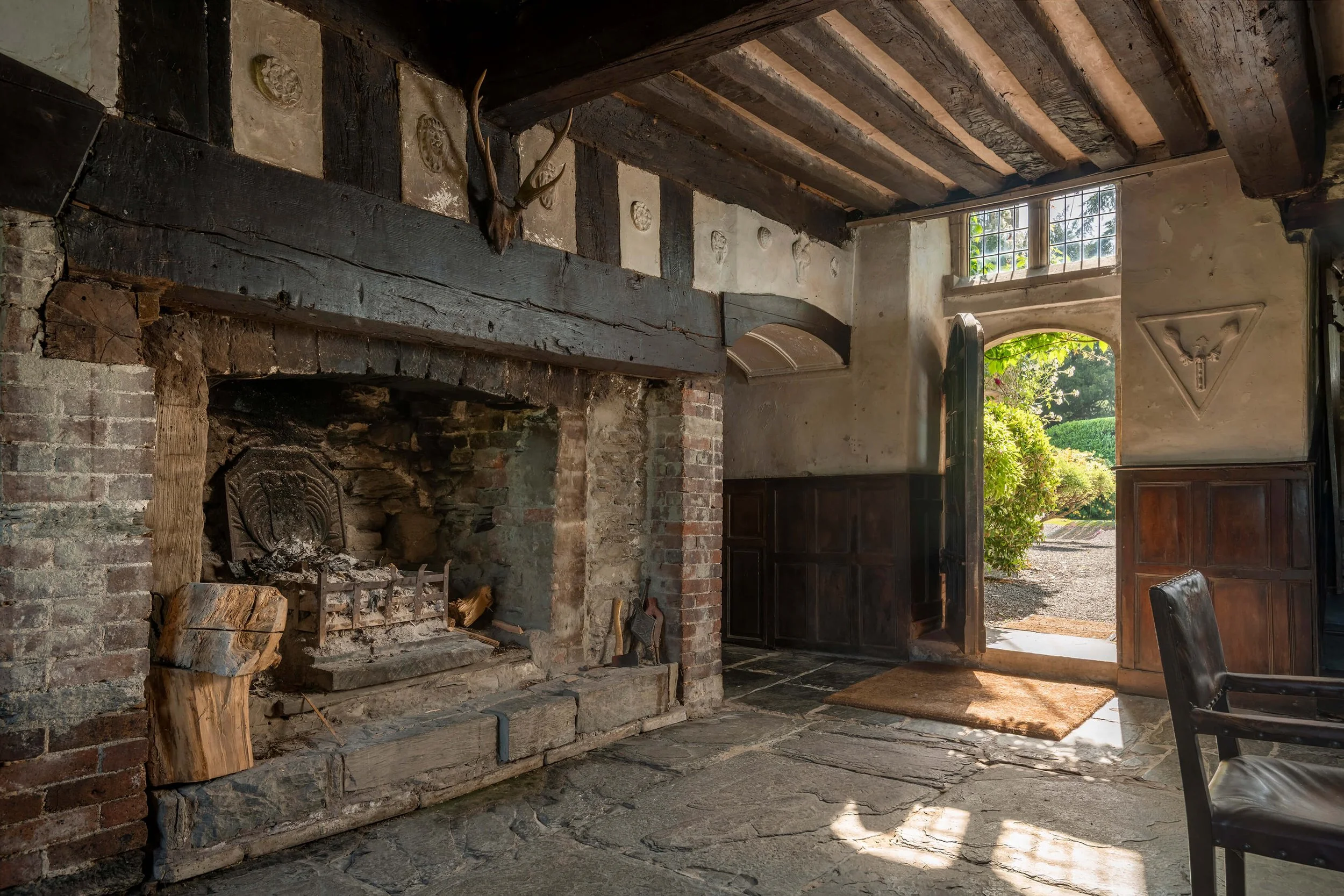
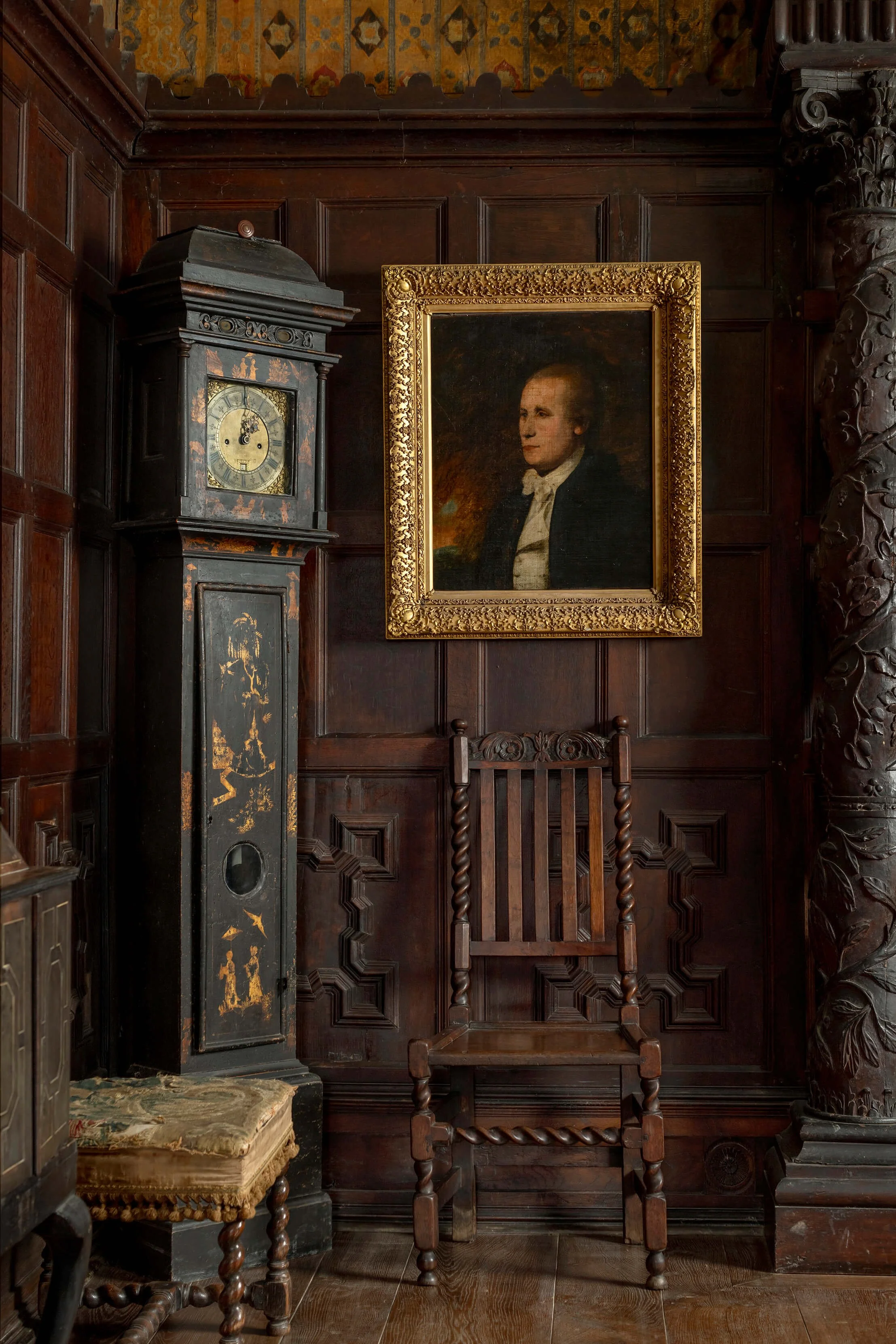
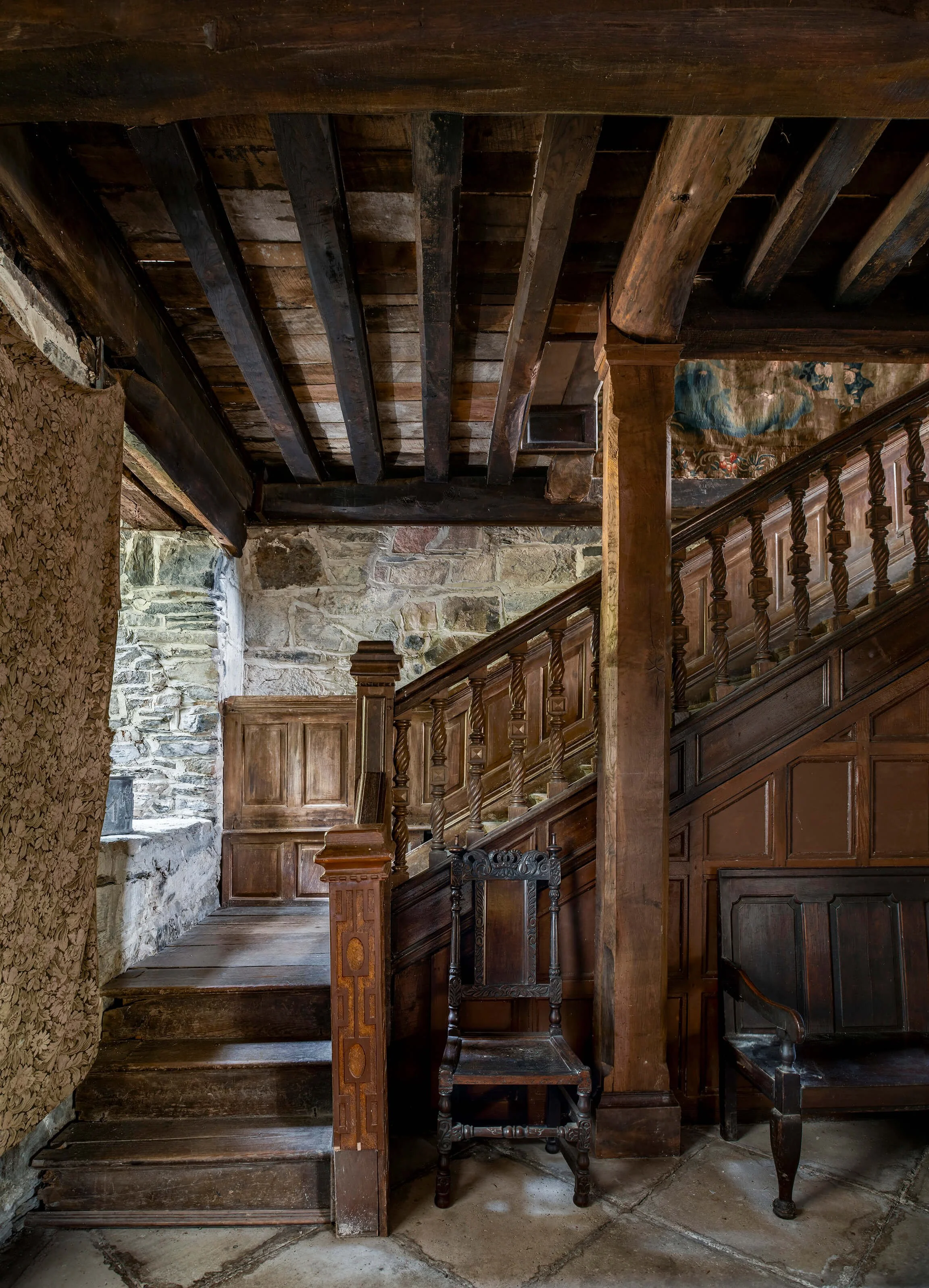
I recently had the opportunity to photograph this extraordinary property, capturing both its atmospheric interiors and its striking exterior setting against the backdrop of the Snowdonia landscape. Unlike many grand houses that have been extensively modernised, Gwydir retains an authenticity that is immediately apparent. Its rooms feel lived in and layered with history, with original architectural features, period furnishings and centuries-old craftsmanship.
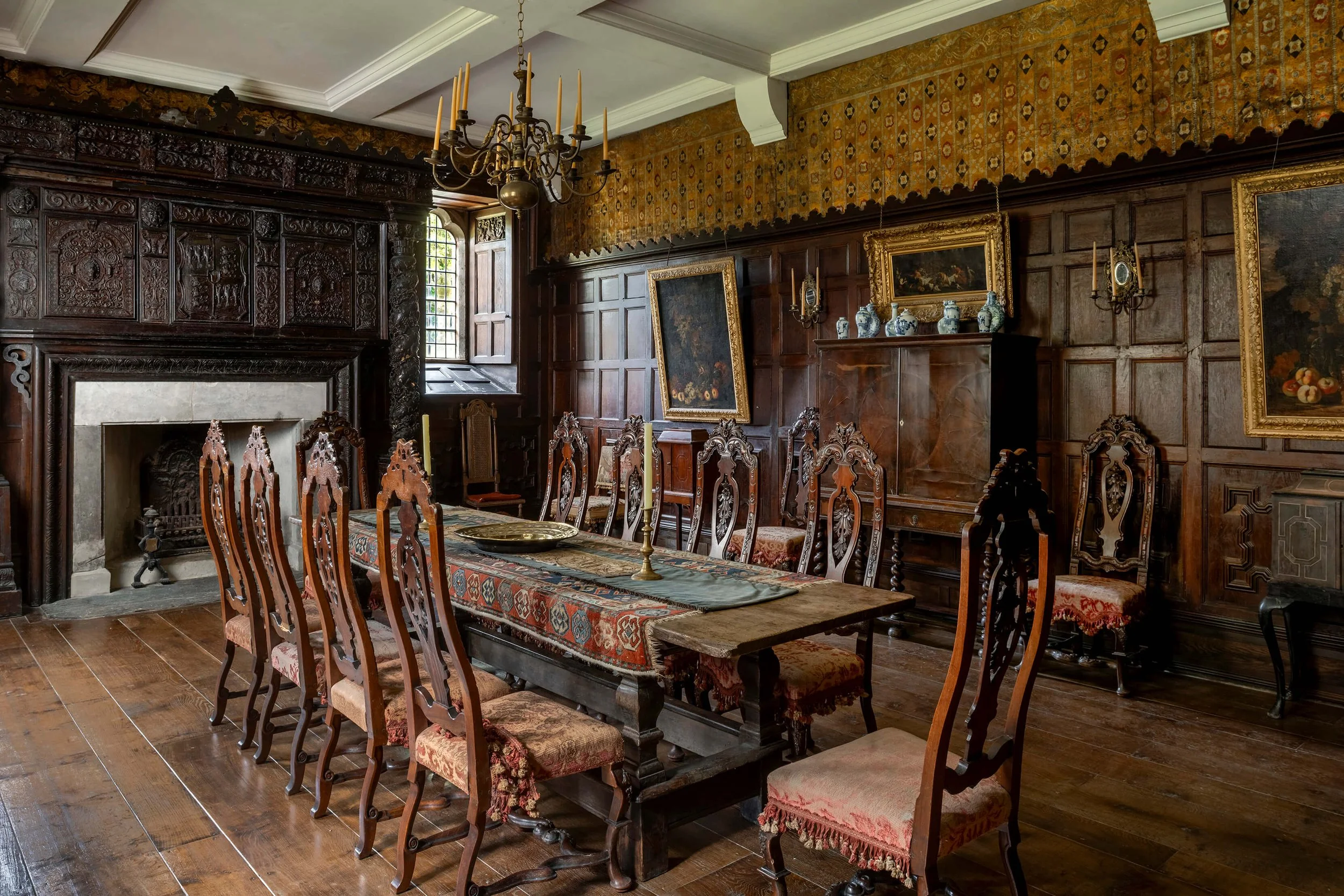
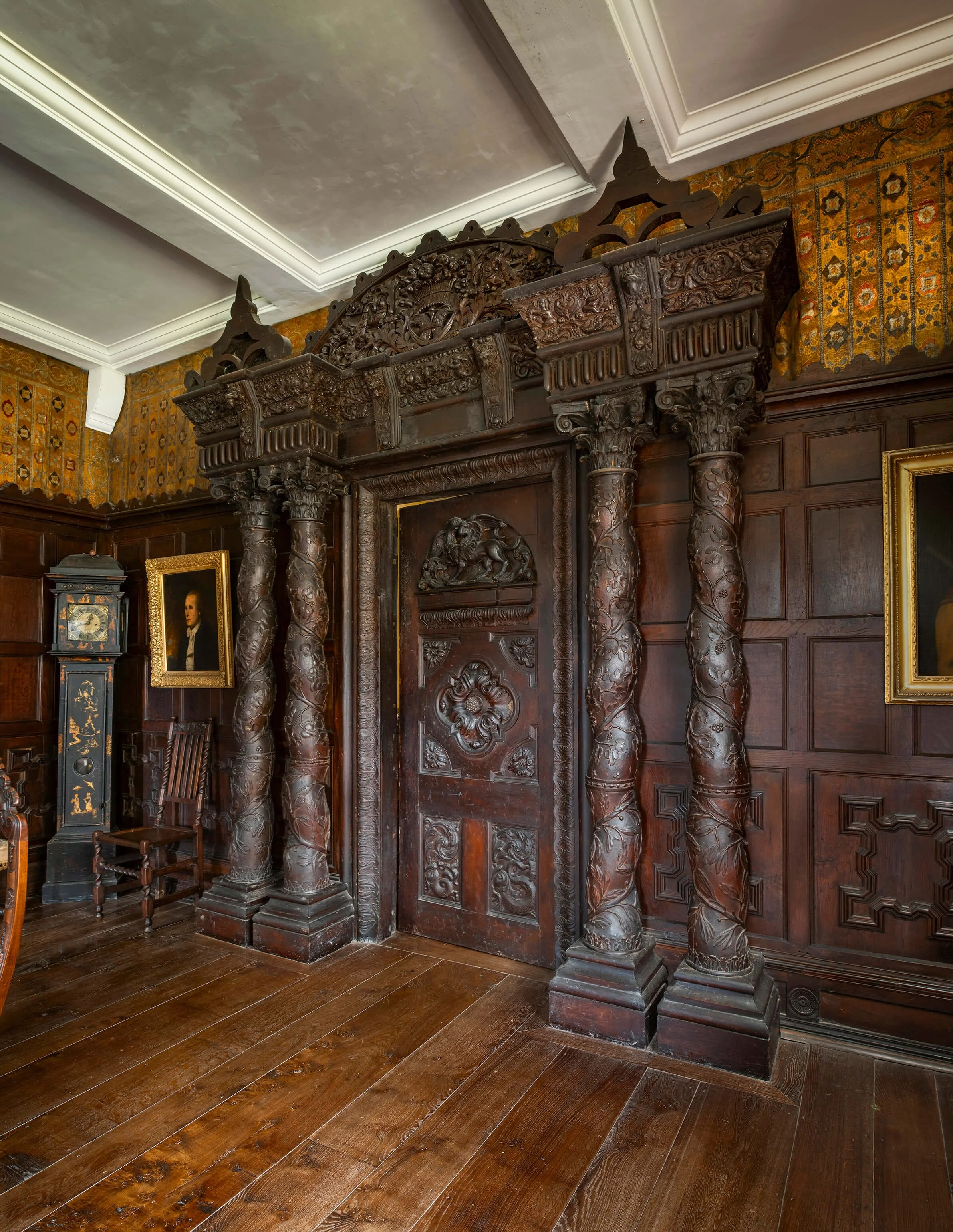
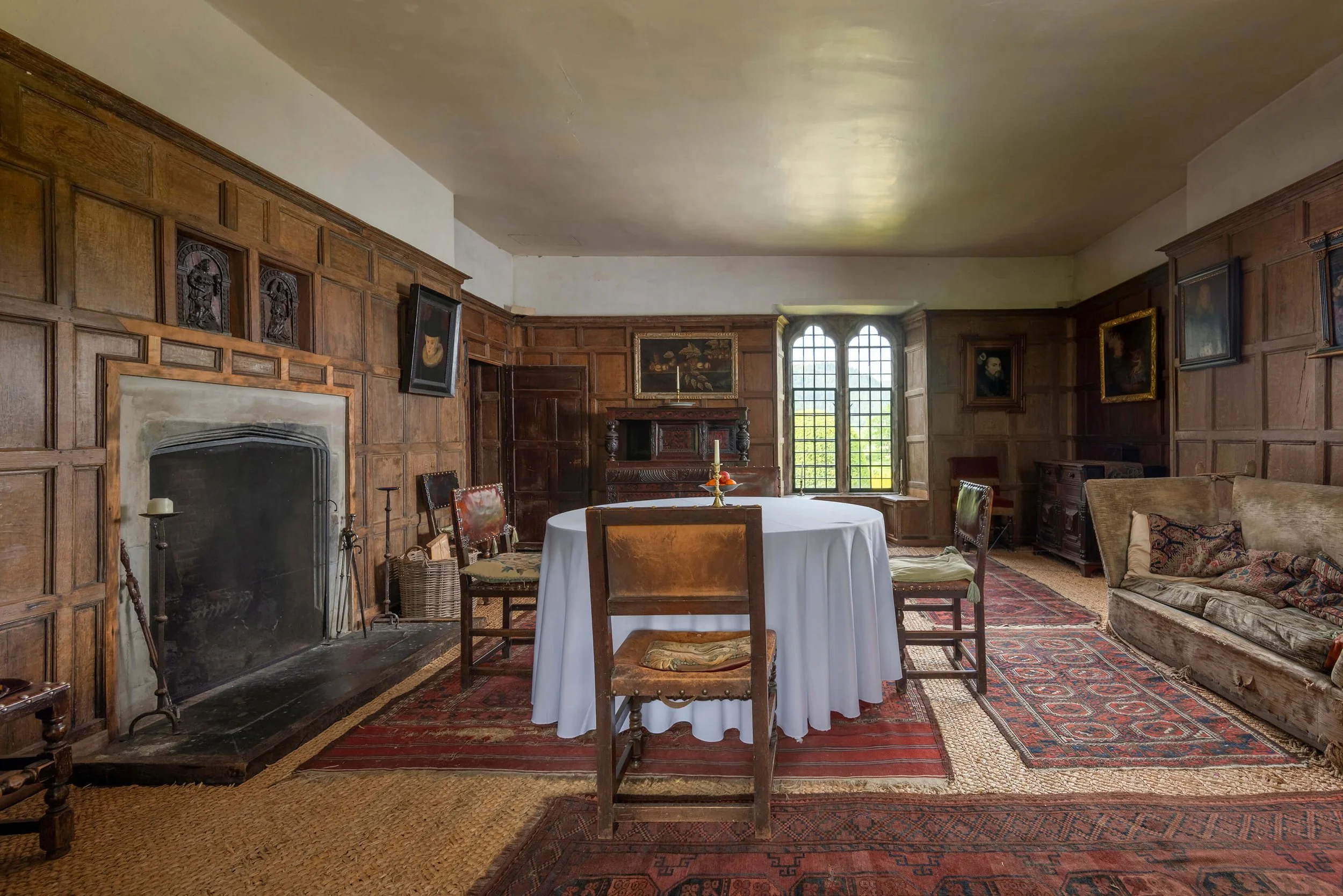
One of the highlights of the visit was photographing the famous panelled dining room. In one of the most extraordinary stories associated with any British historic house, much of the room's 17th-century panelling was removed and sold during the early 20th century. Decades later, it was traced to the collection of the Metropolitan Museum of Art in New York. Through the determination of the castle's owners, negotiations were undertaken to secure its return, allowing this remarkable interior to be painstakingly reinstated to its original setting.
Throughout the castle, there is a wonderful sense of discovery. Historic staircases, richly textured stonework, panelled rooms and carefully preserved architectural details reveal themselves at every turn.
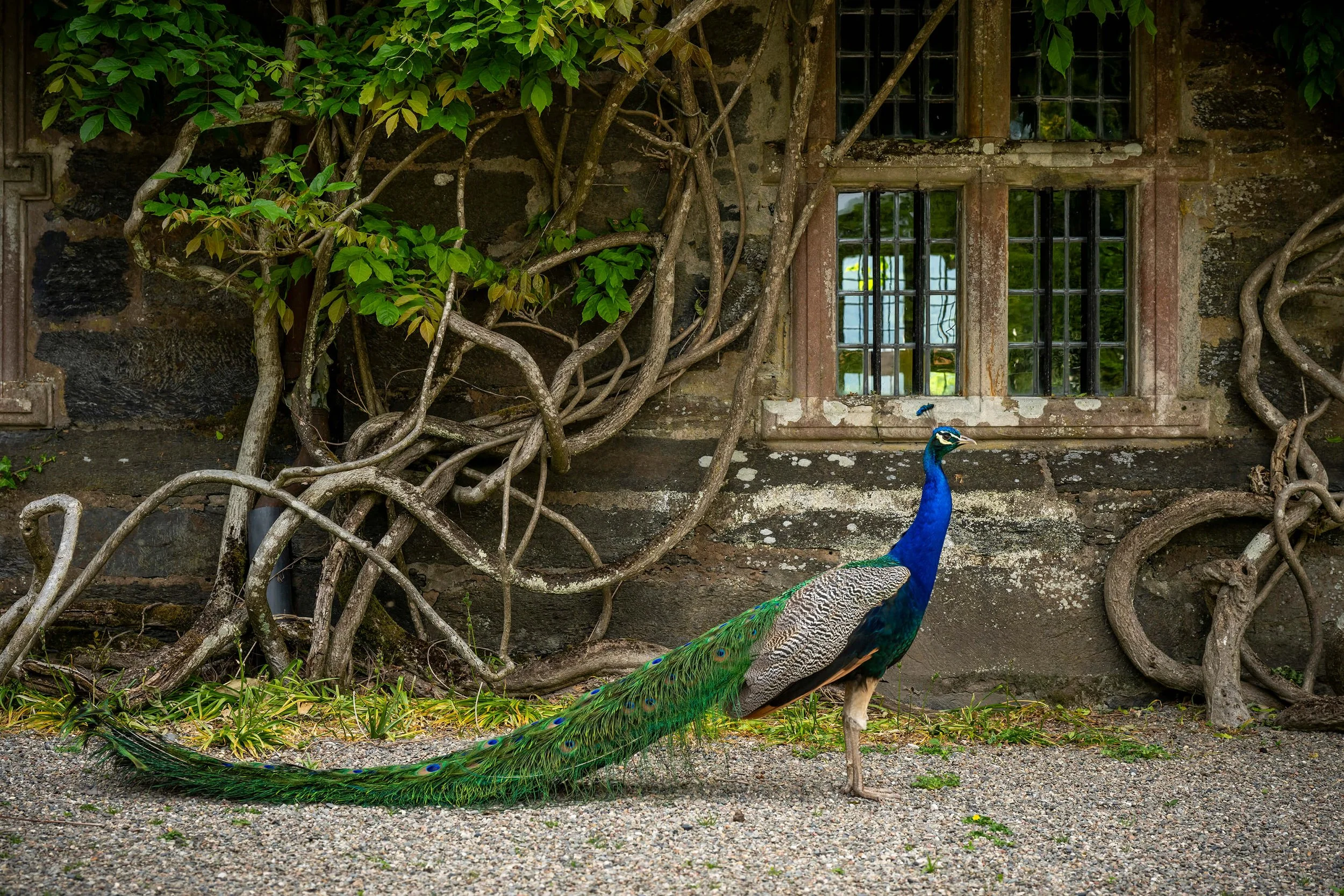
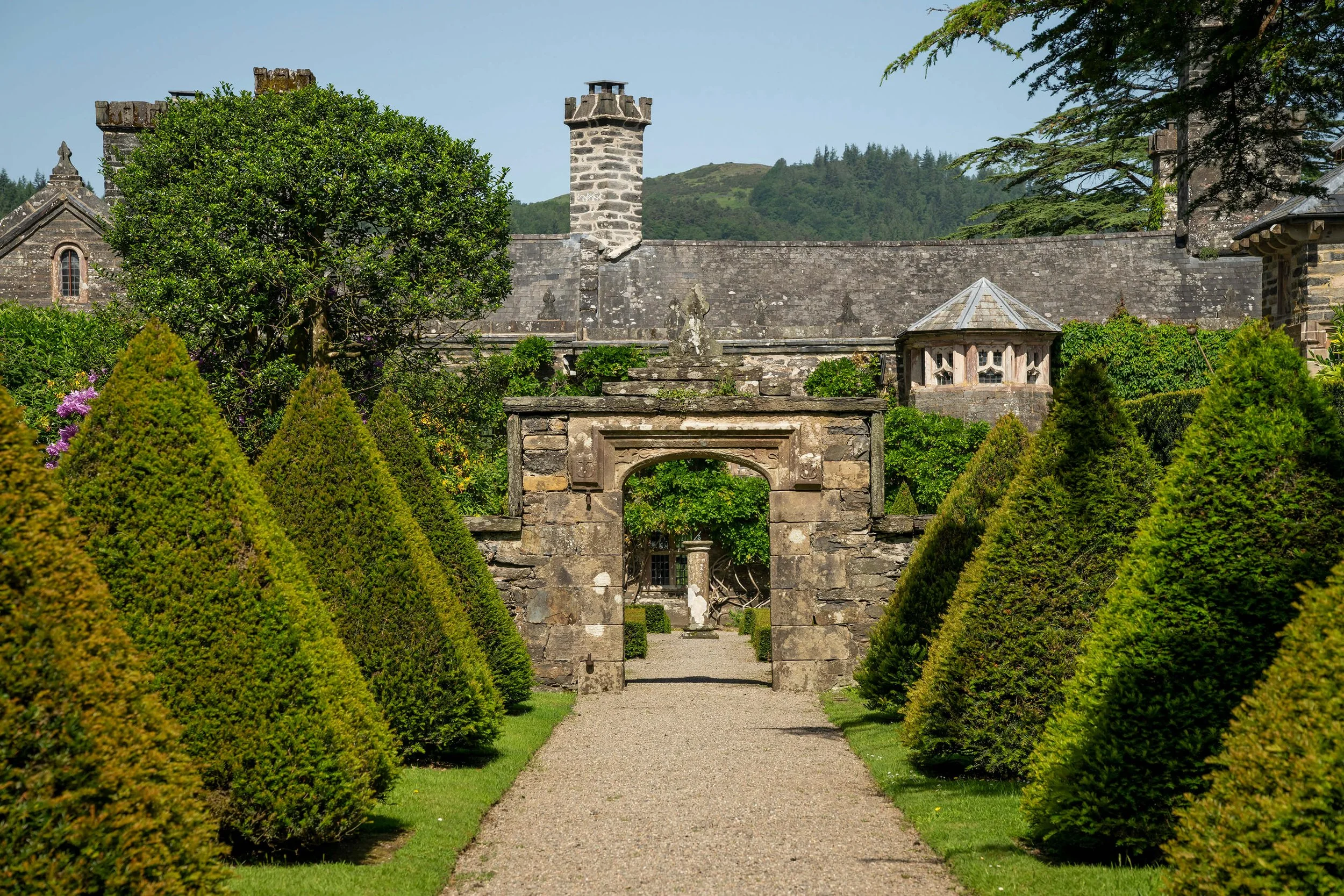
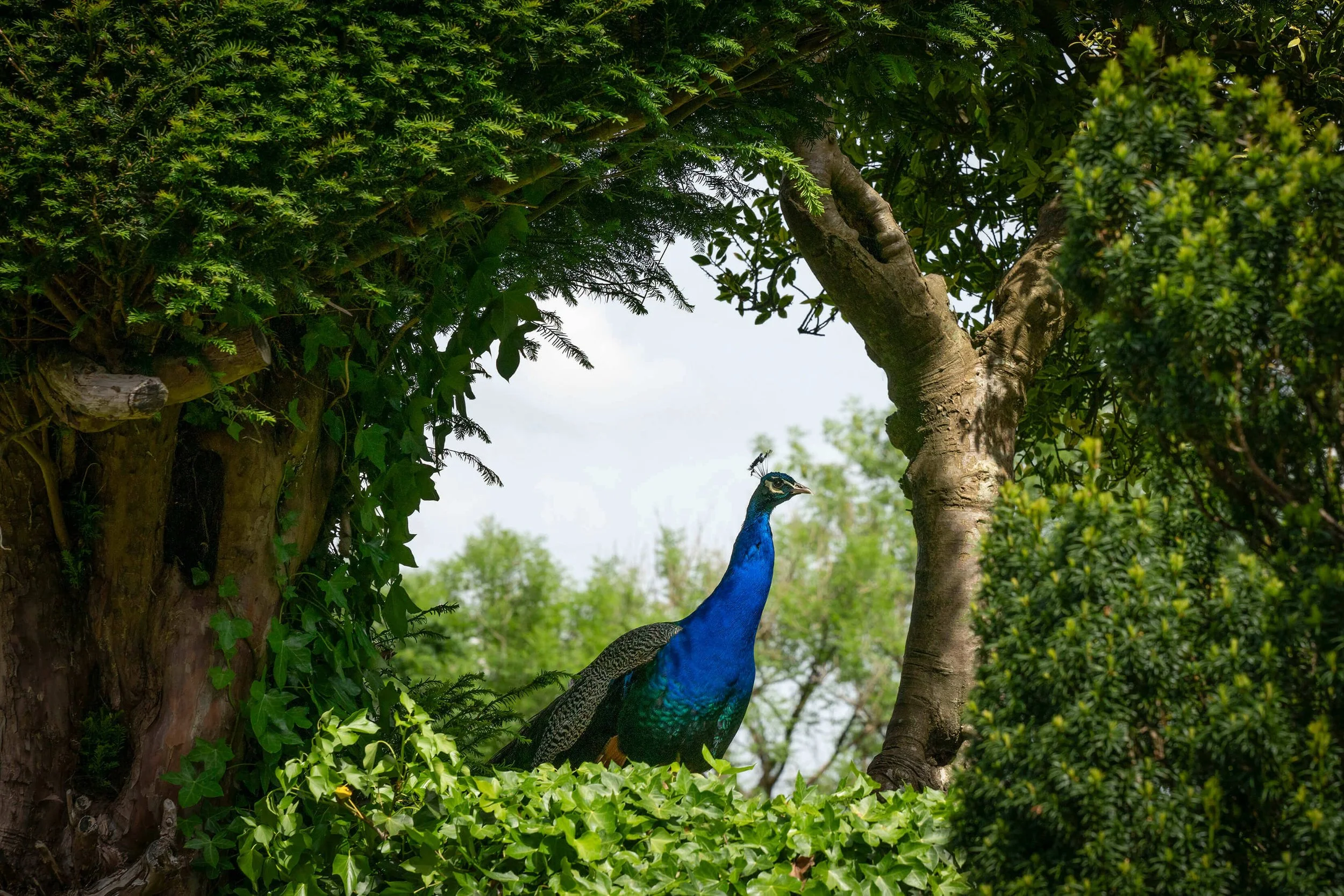
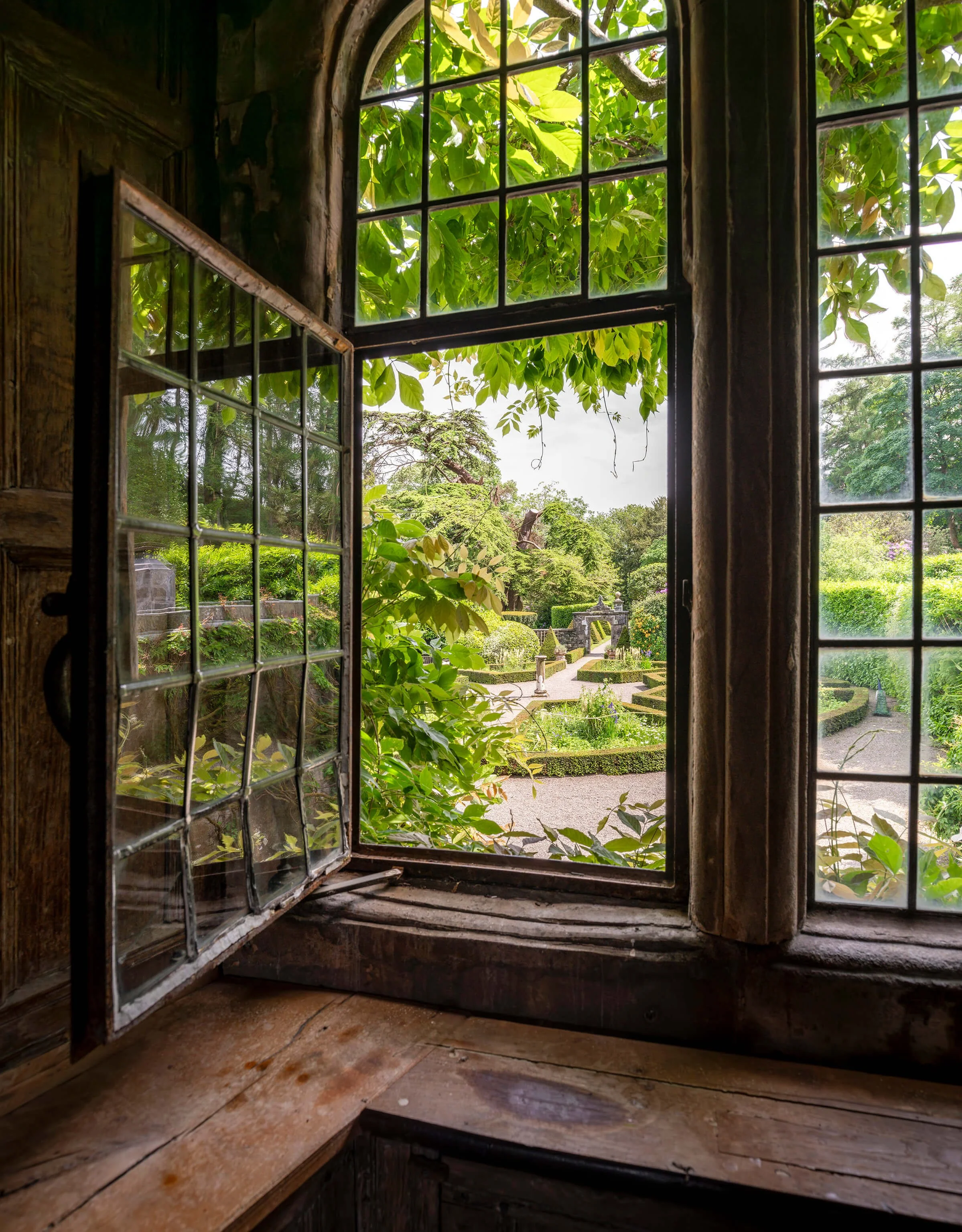
Outside, the castle's gardens and surrounding landscape provide an equally compelling subject. The combination of ancient stone walls, mature trees and views across the Conwy Valley creates a setting that feels timeless. Adding to the castle's unique character is its resident population of around twenty peacocks, which roam freely throughout the grounds.
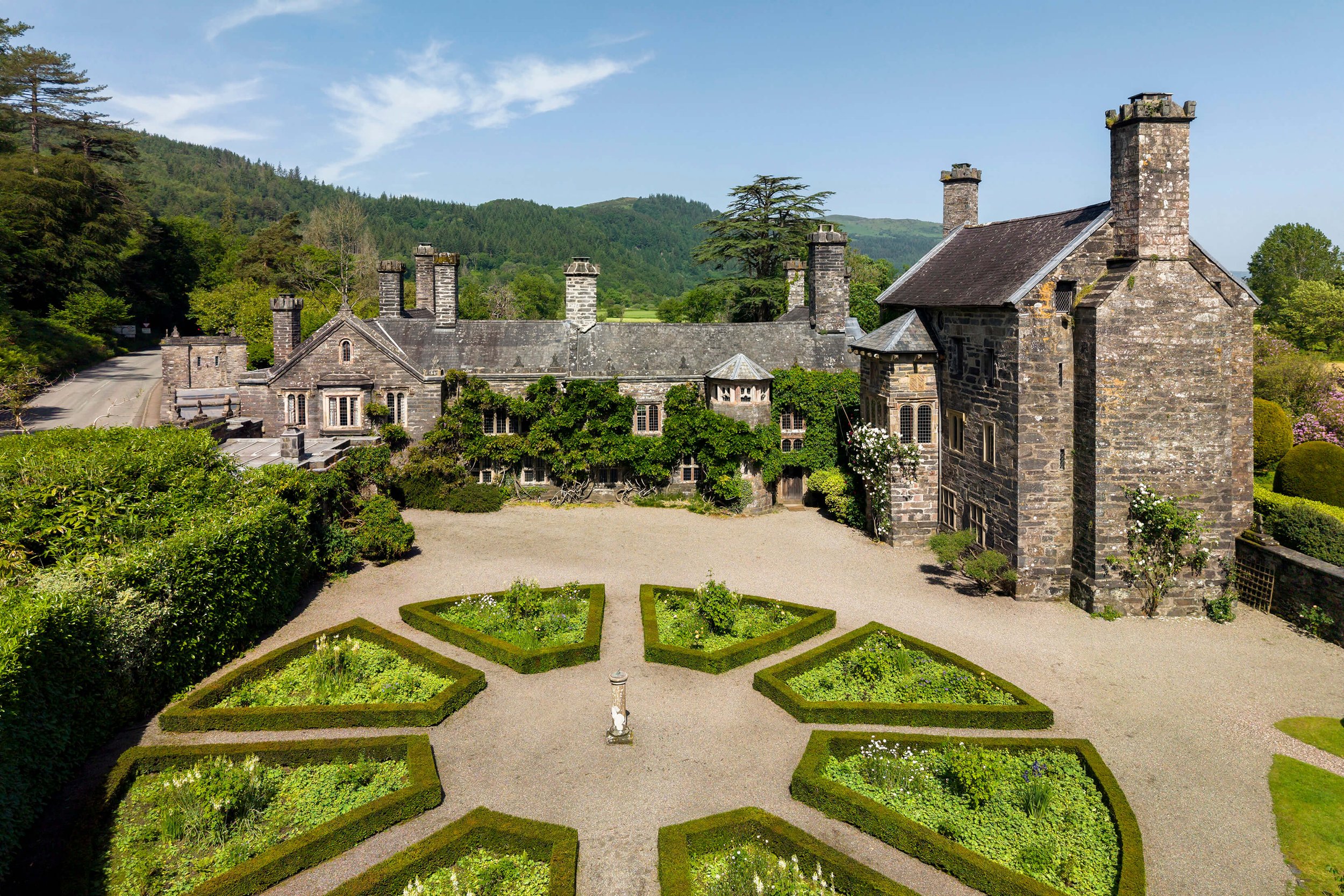
Drone footage of Gwydir Castle in North Wales

Palais Garnier Opera House interiors
Photographing the historic Palais Garnier Opera House in Paris is a fantastic experience for a heritage photographer. I had admired images of its stunning interiors in books, but seeing it in person was breathtaking and a wonderful opportunity to capture my own set of photographs.
Photographing the historic Palais Garnier Opera House in Paris is a fantastic experience for a heritage photographer. I had admired images of its stunning interiors in books, but seeing it in person was breathtaking and a wonderful opportunity to capture my own set of photographs.
Designed by Charles Garnier and completed in 1875, the opera house is a masterpiece of Parisian architecture, steeped in opulence and theatrical grandeur. The Grand Staircase, with its sweeping double flights and polished marble, creates striking compositions that highlight the building’s rich detailing. Gilded balconies, deep red velvet seating, and softly lit, ornate chandeliers combine to create a lavish palette of textures and a beautifully atmospheric setting. It’s little wonder the building inspired The Phantom of the Opera.


Arley Hall interiors
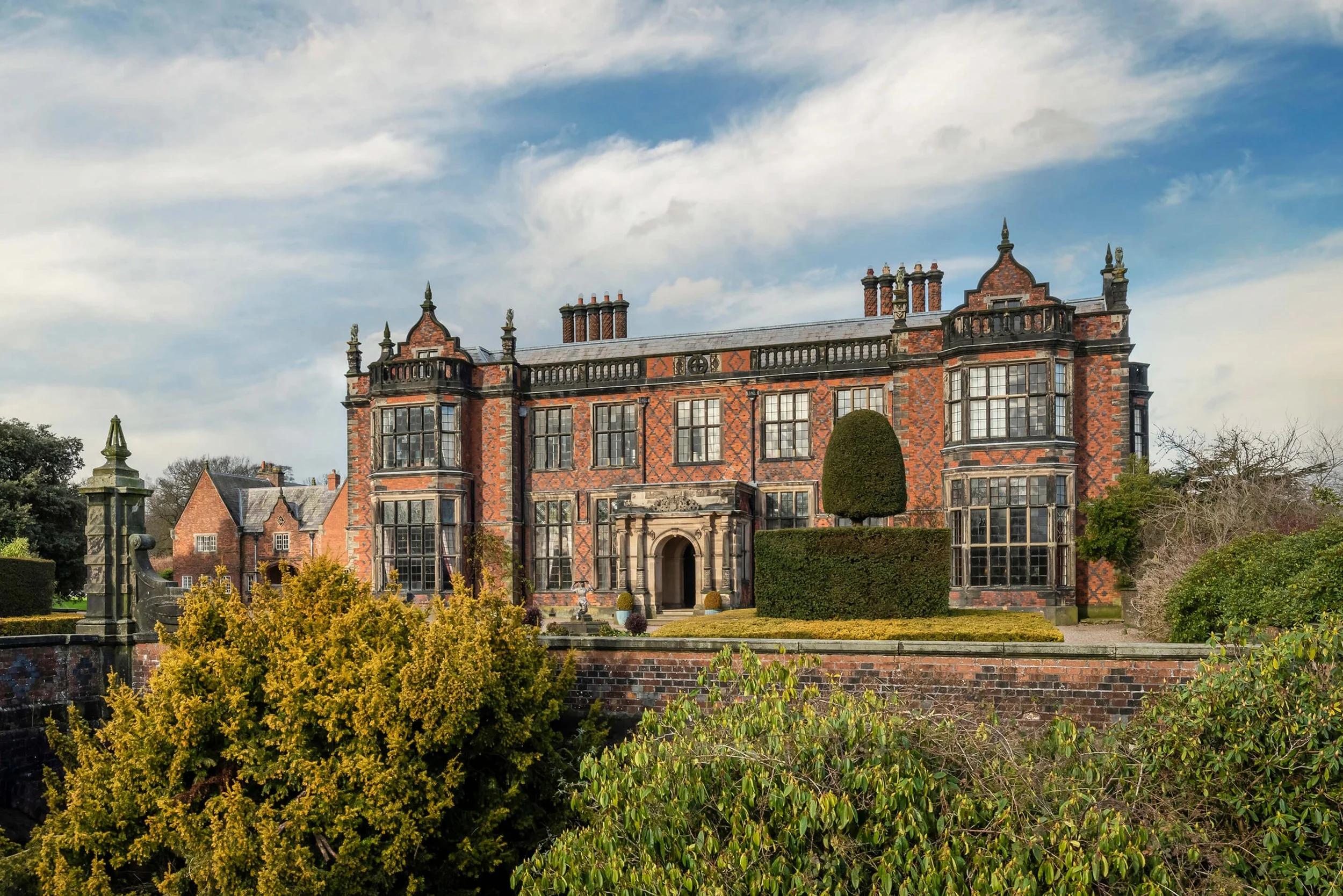
I recently had the opportunity to photograph the interiors of Arley Hall. This beautiful stately home in Cheshire was built for Rowland Egerton-Warburton between 1832 and 1845
I recently had the opportunity to photograph the interiors of Arley Hall. This beautiful stately home in Cheshire was built for Rowland Egerton-Warburton between 1832 and 1845, to replace an earlier house on the site. Local architect George Latham designed the house in a style which has become known as Jacobethan, copying elements of Elizabethan architecture. The house is a Grade II* listed building and sits within a large estate and is otherwise known as Thomas Shelby’s house in the BBC's series Peaky Blinders.



The Tabley House Collection
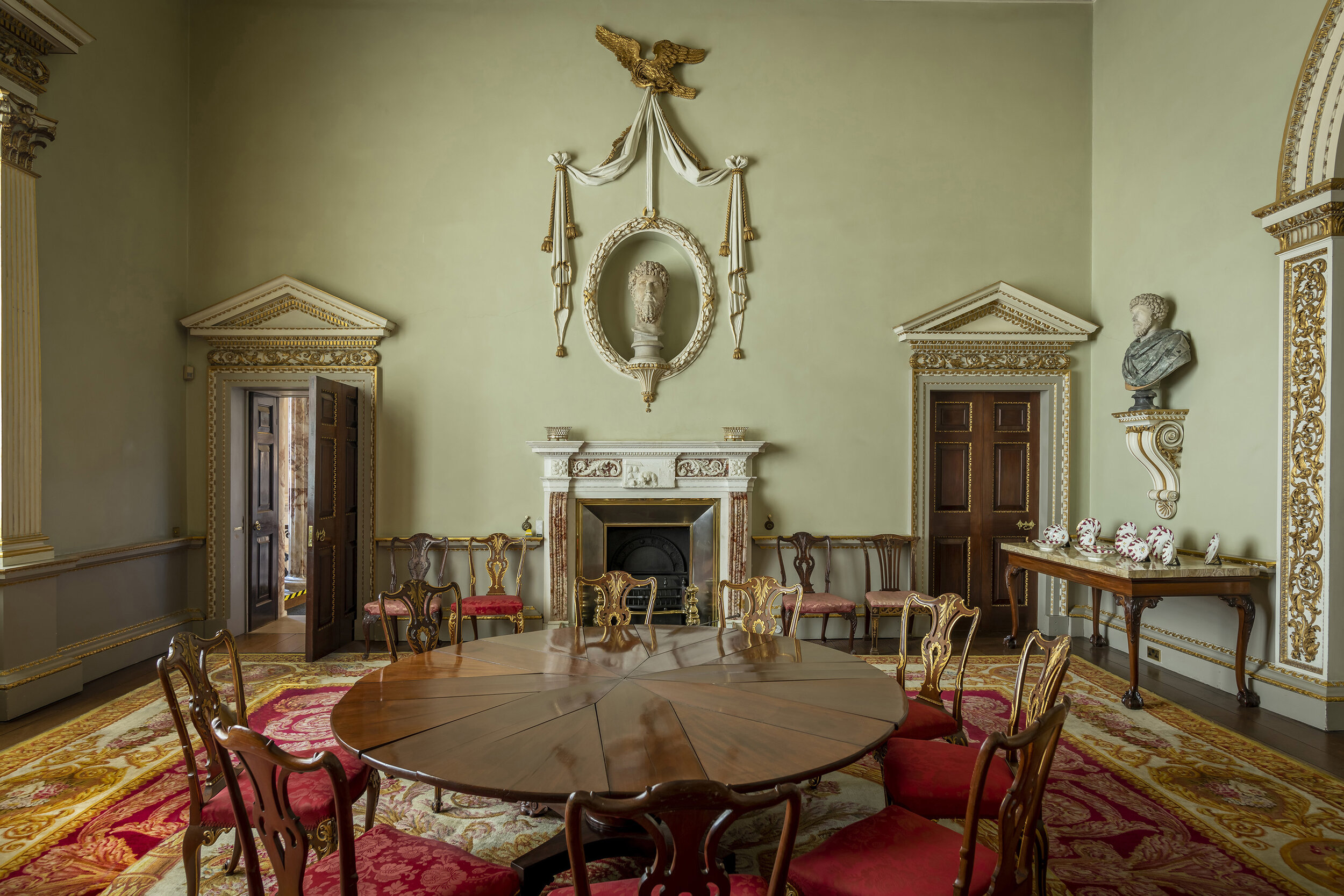
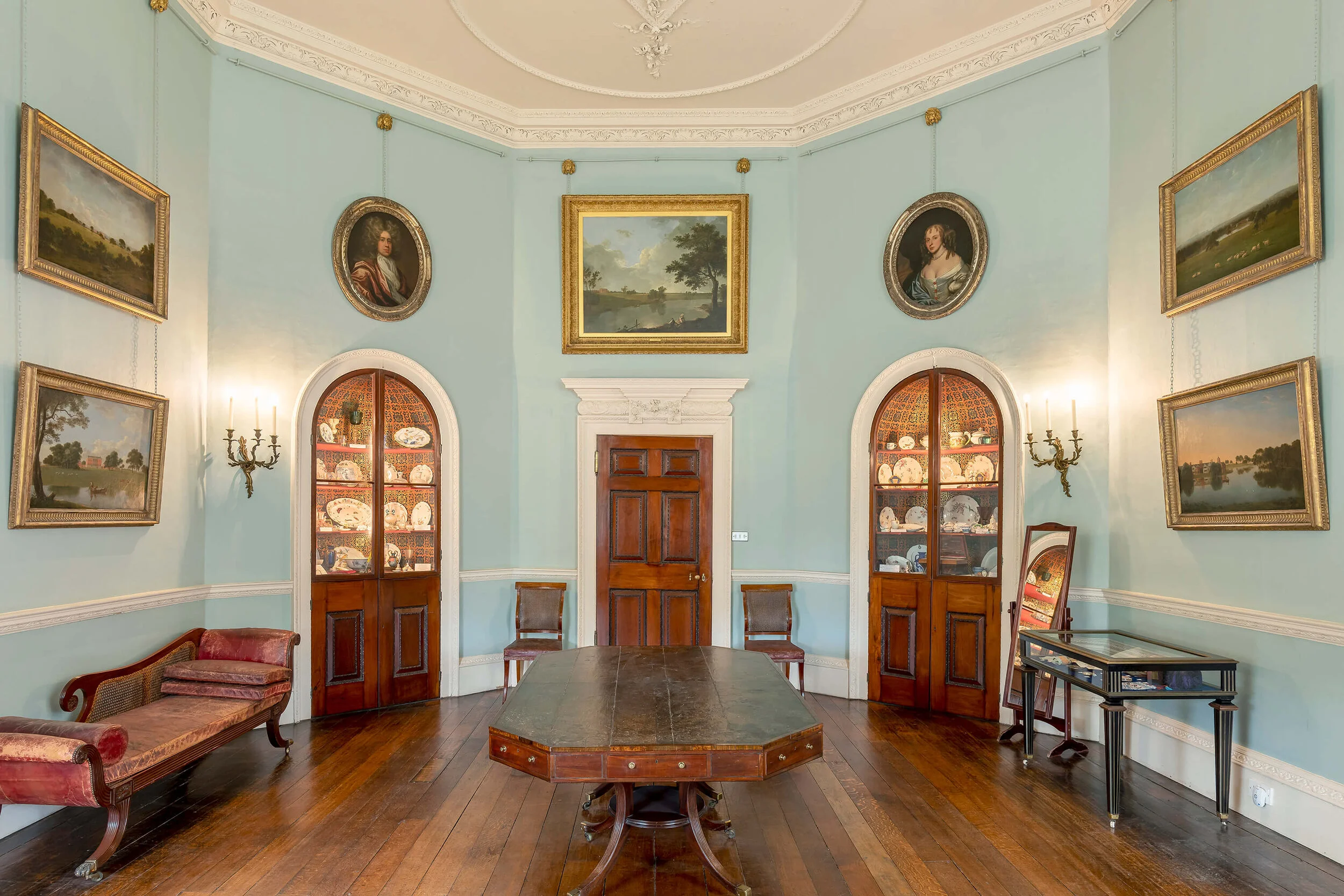
I recently had the pleasure of photographing the interiors of Tabley House in Cheshire. This beautiful Grade I listed stately home was built by architect John Carr of York between 1761 and 1769 for Sir Peter Byrne Leicester and is the only 18th century Palladian country house in Cheshire.
I recently had the pleasure of photographing the interiors of Tabley House in Cheshire. This beautiful Grade I listed stately home was built by architect John Carr of York between 1761 and 1769 for Sir Peter Byrne Leicester and is the only 18th century Palladian country house in Cheshire. The original state rooms are open to the public and they were designed to impress. They include the Portico Room (the original entrance hall), the Drawing Room, the Common Parlour, the Dining Room, the Oak Hall, and the Gallery. Tabley is home to a number of important paintings as the 1st Lord de Tabley was a patron of British art and artists with a particular interest in JMW Turner. Sir John commissioned works to hang in specific rooms and this is no more evident than in the Drawing Room at Tabley where Turner’s ‘Tabley' is displayed. Other artists represented include Lely, Lawrence, Dobson and Martin. There's also a fine collection of furniture dating from the 17th to the early 20th century which includes pieces by Gillow and Bullock, and others attributed to Chippendale, as well as to local craftsmen. The house is now in the ownership of the University of Manchester and the collection is managed on behalf of the University by The Tabley House Collection Trust.




Holkham Hall, Norfolk
I have recently been commissioned to photograph the impressive Holkham Hall in Norfolk. This 18th-century country house was constructed for the 1st Earl of Leicester and is one of England's finest examples of the Palladian revival style of architecture.
I have recently been commissioned to photograph the impressive Holkham Hall in Norfolk. This 18th-century country house was constructed for the 1st Earl of Leicester and is one of England's finest examples of the Palladian revival style of architecture.
The interior of the hall is very opulent and you enter through the Marble Hall, which is made of pink Derbyshire alabaster, this leads on to the first floor and the state rooms. The most impressive of these rooms is the Saloon, which has walls lined with red velvet. Each of the major state rooms is symmetrical in its layout and design and in some rooms, false doors are necessary to fully achieve this balanced effect.
The house is at the heart of a thriving private estate of some 25,000 acres and is open to the public, it is still the family home of the 8th Earl of Leicester, Thomas Coke.